Dishwasher Not Draining? A Complete Troubleshooting Guide
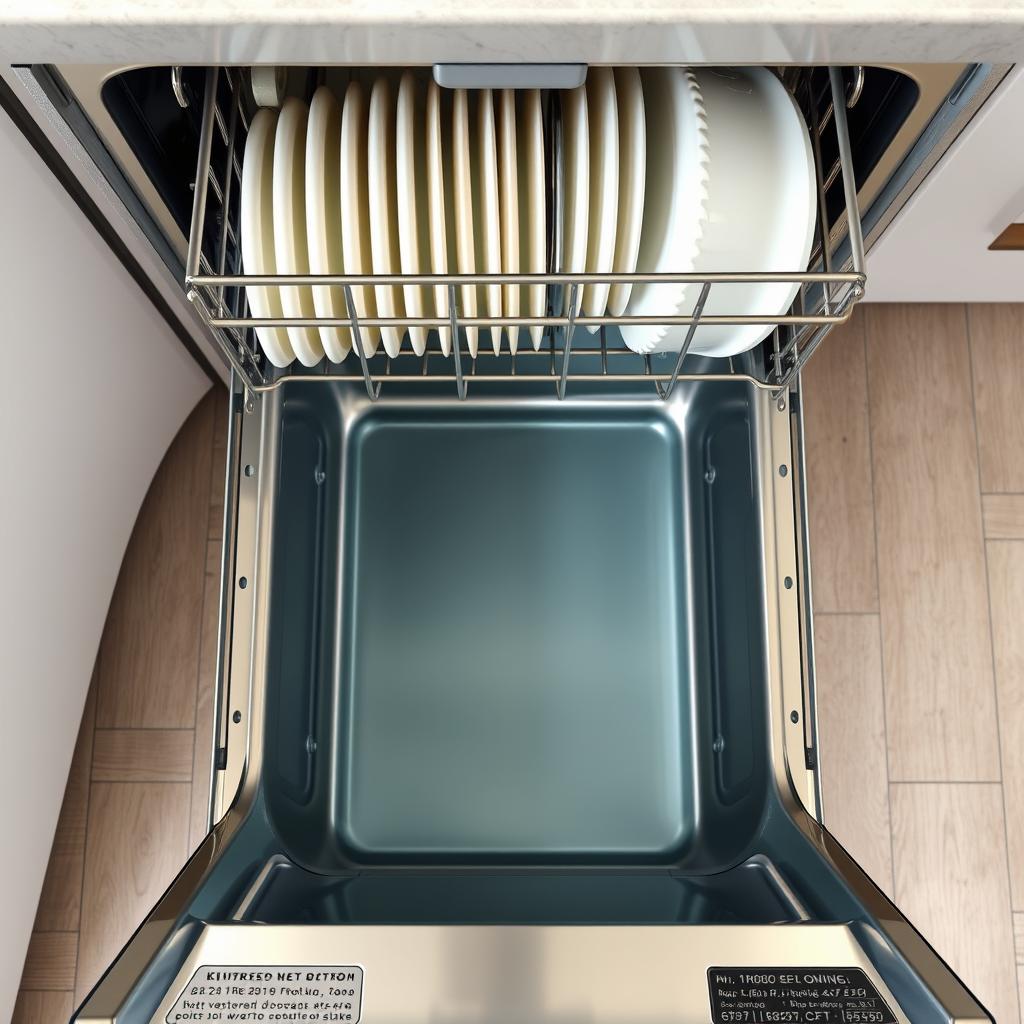
You open your dishwasher expecting clean dishes and instead find a pool of dirty water sitting at the bottom. A dishwasher that will not drain is one of the most common complaints, and while it is messy and inconvenient, the cause is usually something you can identify and often fix without a service call. Here is a systematic guide to getting your dishwasher draining properly again.
Step 1: Check the Garbage Disposal Connection
Most dishwashers drain through a hose that connects to the garbage disposal under the kitchen sink. If the disposal is clogged, full of food waste, or has not been run recently, the dishwasher cannot drain through it. Run the garbage disposal with plenty of water flowing for 30 seconds to clear any blockage. If you recently installed a new garbage disposal, make sure the knockout plug inside the disposal inlet has been removed — this is one of the most commonly missed installation steps and it completely blocks dishwasher drainage.
Even if you do not have a garbage disposal, check the drain connection at the sink. The dishwasher drain hose connects to the sink drain pipe (often at the tailpiece or air gap), and a clog at that connection point prevents drainage.
Step 2: Clean the Dishwasher Filter
Modern dishwashers have a removable filter at the bottom of the tub that catches food particles before they reach the drain pump. A clogged filter is one of the most common causes of drainage problems, and many homeowners do not realize the filter needs regular cleaning.
The filter is usually located in the center bottom of the dishwasher tub. It may be a cylindrical mesh filter that twists to unlock, or a flat screen that lifts out. Remove it, rinse it under warm running water, and use a soft brush to remove any stuck-on food particles. If the filter has not been cleaned in a while, it may be coated with grease and food residue. Soaking it in warm, soapy water for 10 minutes makes cleaning easier.
Make it a habit to clean the filter every two weeks if you run your dishwasher daily. A clean filter improves both drainage and cleaning performance.
Step 3: Inspect the Drain Hose
The drain hose runs from the dishwasher pump to the garbage disposal or sink drain connection. If this hose is kinked, clogged, or improperly routed, water cannot exit the dishwasher. Pull the dishwasher out from under the counter (after disconnecting power and water) and inspect the full length of the drain hose.
Look for kinks or tight bends that restrict flow. Check for clogs by disconnecting one end and blowing through it or running water through it. The drain hose should be routed in a high loop under the counter or through an air gap to prevent backflow from the sink into the dishwasher. If the hose runs straight from the dishwasher to the disposal without a high loop, it can siphon dirty sink water back into the dishwasher.
Step 4: Clear the Air Gap (If You Have One)
Some dishwasher installations include an air gap — a small metal or plastic cylinder mounted on the countertop or sink, usually near the faucet. The air gap prevents contaminated water from siphoning back into the dishwasher. Over time, the air gap can become clogged with debris, preventing the dishwasher from draining.
To clean the air gap, remove the cap, then remove the inner cover. Use a small brush or pipe cleaner to clear any debris from the air gap and the hoses connected to it. If water was backing up through the air gap and onto the counter, this cleaning should resolve the issue.
Step 5: Check the Drain Pump
The drain pump pushes water out of the dishwasher and through the drain hose. If the pump is clogged, jammed, or has failed mechanically, the dishwasher will not drain regardless of how clear the hose and filter are. You may hear the pump humming or buzzing during the drain cycle without water actually moving — this indicates the pump is receiving power but cannot operate.
Small items like broken glass, bones, fruit pits, or pieces of plastic can jam the pump impeller. With the dishwasher unplugged and the water bailed out, check the pump area (at the bottom of the tub, usually accessible after removing the filter and lower spray arm) for obstructions. Remove any debris carefully. If the pump runs freely but still does not pump water, the motor may have failed and the pump needs replacement.
Step 6: Test the Drain Valve and Solenoid
Some dishwashers have a drain valve with a solenoid that opens when the drain cycle activates. If the solenoid fails or the valve is stuck closed, water remains in the tub. This component requires a multimeter to test for proper resistance and operation. A failed solenoid or valve needs to be replaced.
Step 7: Look at the Control Board
The electronic control board sends signals to the drain pump to activate at the right time during the cycle. If the control board fails, it may not send the drain signal, leaving water in the tub. You might also notice other cycle irregularities — skipped wash phases, incomplete cycles, or error codes on the display. Control board diagnosis typically requires professional tools.
Preventing Future Drain Problems
Most dishwasher drain issues are preventable with basic maintenance. Scrape large food particles off dishes before loading (you do not need to pre-rinse, but remove big chunks). Clean the filter every one to two weeks. Run the garbage disposal before starting the dishwasher to ensure the drain path is clear. Use the correct amount of detergent — too much creates excess suds that can interfere with draining. And run a cleaning cycle monthly with vinegar to dissolve grease and mineral buildup inside the drain system.
For more tips on keeping your dishwasher in top shape, check out our guides on getting dishes to dry properly and fixing dishwasher leaks.
When to Call a Professional
If cleaning the filter, clearing the drain hose, and checking the disposal connection do not solve the problem, or if you suspect a pump or control board issue, it is time for professional help. The team at SkyBreeze Appliance Repair has the tools and experience to diagnose and fix any dishwasher drain problem. We work with Samsung, LG, Bosch, Whirlpool, KitchenAid, GE, Frigidaire, Maytag, and all other major brands throughout Tampa, Wesley Chapel, Lutz, Land O’ Lakes, Dade City, Zephyrhills, The Villages, and surrounding areas. Standing water in your dishwasher is not something you have to live with — let us help you fix it.