How Long Do Major Appliances Last? A Complete Lifespan Guide
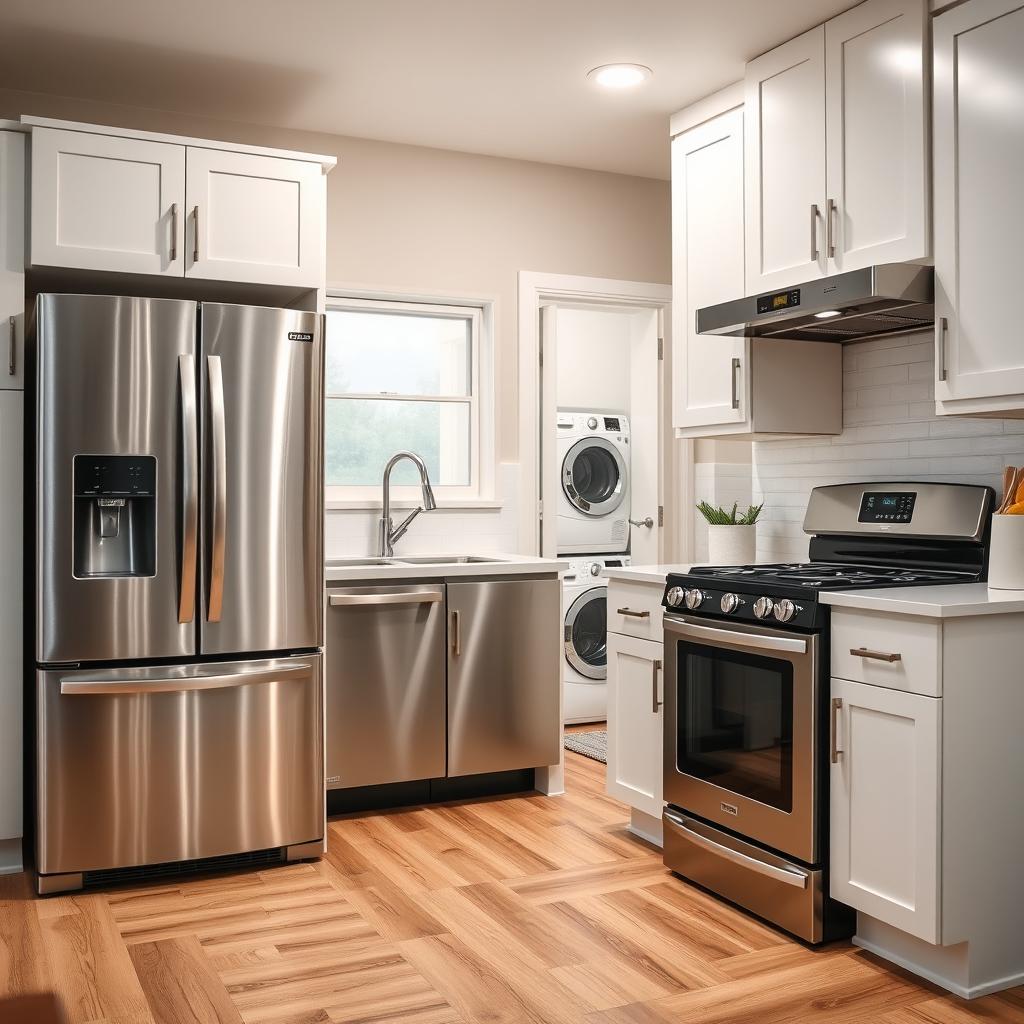
Every appliance in your home has an expiration date. Understanding how long each major appliance is expected to last helps you budget for replacements, make smart repair decisions, and know when a breakdown is a normal part of the appliance’s lifecycle versus a sign of a premature problem. Here is a comprehensive guide to appliance lifespans, what affects them, and how to maximize the years you get from each one.
Refrigerator: 10 to 18 Years
The average refrigerator lasts about 13 years, though the range varies significantly depending on the type and brand. Standard top-freezer models tend to last the longest (15 to 18 years) because they have simpler mechanics. Side-by-side models average 12 to 15 years. French door models, while popular, tend to have shorter lifespans of 10 to 14 years due to their more complex designs with multiple compartments, ice makers, and water dispensers.
The compressor is the most critical component — when it fails on a fridge that is more than 10 years old, replacement is often more cost-effective than repair. Regular maintenance dramatically extends your refrigerator’s life. Cleaning the condenser coils twice a year, maintaining proper temperature settings, and avoiding common refrigerator mistakes can easily add three to five years to your fridge’s service life. If your fridge is showing signs of running but not cooling properly, early diagnosis often means a less expensive repair.
Washing Machine: 10 to 14 Years
Both front-loading and top-loading washers average about 11 years of service, though well-maintained machines can last 14 years or more. Front-loaders tend to have slightly shorter lifespans than traditional top-loaders due to their more complex bearing and seal systems, but they are more water and energy efficient during their service life.
The most common failure points are the door seal (front-loaders), bearings, drain pump, and motor. Overloading is one of the biggest lifespan killers — it stresses every moving component in the machine. Using the correct amount of HE detergent, cleaning the gasket and drum regularly, and following a proper washing machine maintenance routine are the best ways to maximize your washer’s years of service.
Dryer: 10 to 13 Years
Dryers have a slightly longer average lifespan than washers (about 12 years) because their mechanics are simpler — essentially a drum, motor, heating element, and blower. The most common failures are the heating element, thermal fuse, drum rollers, and belt. These are all relatively inexpensive and straightforward repairs that can keep a dryer running for several more years.
The single biggest threat to dryer longevity (and safety) is a clogged vent system. Restricted airflow forces the dryer to run hotter and longer, stressing every component and dramatically increasing the risk of fire. Cleaning the lint trap before every load and having the vent system professionally cleaned annually are the two most important things you can do for your dryer. For a complete maintenance guide, read our article on maintaining your dryer to prevent fire hazards.
Dishwasher: 9 to 12 Years
Dishwashers have the shortest average lifespan among major kitchen appliances, typically lasting about 10 years. The constant exposure to water, heat, detergent, and food particles takes its toll on pumps, seals, and electronic components. Higher-end models from brands like Bosch and Miele tend to last longer due to better build quality and more durable components.
Common failure points include the wash pump, door latch and gasket, spray arms, and control board. The most impactful maintenance habits are cleaning the filter regularly, using the correct detergent amount, and running a vinegar cleaning cycle monthly to prevent mineral buildup. If your dishwasher is leaking from the bottom or not drying dishes properly, addressing these issues early extends the machine’s useful life.
Oven and Range: 13 to 20 Years
Electric ovens and ranges are among the longest-lasting kitchen appliances, averaging 15 to 20 years. They benefit from having relatively few moving parts — the main components that fail are the heating elements, temperature sensor, and control board. Heating elements are inexpensive and easy to replace, so an element failure is usually not a reason to replace the entire oven.
Overuse of the self-cleaning feature can actually shorten your oven’s lifespan by stressing the door lock mechanism, thermal fuse, and control board with extreme heat. Limit self-cleaning to two or three times per year and use the natural baking soda cleaning method for regular maintenance. If your oven will not turn on, check our troubleshooting guide before assuming the worst.
Garbage Disposal (Garburator): 8 to 12 Years
Garbage disposals have a relatively simple design and can last a long time with proper use. The key is knowing what should and should not go down the disposal. Hard items like bones (in large quantities), fruit pits, and shellfish shells can damage the grinding mechanism. Fibrous foods like celery, artichokes, and corn husks can wrap around the impellers. Grease and oil solidify inside the disposal and drain, causing clogs.
Run cold water before, during, and for 15 seconds after using the disposal to flush waste through completely. Periodically grind ice cubes with a little salt to clean the grinding chamber, and grind citrus peels for a fresh scent. If the disposal makes a humming sound but does not grind, the flywheel may be jammed — most disposals have a hex key slot on the bottom for manually freeing a jammed flywheel.
Factors That Affect Appliance Lifespan
Several factors influence how long your appliances will last beyond the averages listed above.
Usage Frequency
A family of five that runs the washer daily will wear it out faster than a couple that does laundry twice a week. The same applies to all appliances — more cycles mean more wear on moving parts, seals, and electronic components.
Water Quality
Hard water takes a toll on dishwashers, washing machines, and refrigerator water systems. Mineral deposits build up on heating elements, valves, and internal surfaces, reducing efficiency and causing premature failures. If you have hard water, consider a water softener or at minimum use products designed for hard water conditions.
Maintenance Habits
This is the factor you have the most control over. Appliances that receive regular maintenance — clean filters, proper loading, appropriate detergent usage, and timely minor repairs — consistently outlast identical appliances that are neglected. The maintenance guides throughout our blog cover specific routines for each appliance type.
Brand and Build Quality
Not all brands are equal in durability. Commercial-grade or premium brands often use heavier-duty components that last longer. That said, even budget-friendly appliances can deliver excellent longevity with proper care. The brands we see most frequently for repair and service include Samsung, LG, Whirlpool, GE, Frigidaire, Bosch, Maytag, and KitchenAid — all of which build quality products that last when maintained.
The Repair vs. Replace Decision
A helpful rule of thumb is the 50 percent rule: if the repair cost exceeds 50 percent of the price of a new appliance and the current appliance is more than halfway through its expected lifespan, replacement is usually the better investment. Also consider energy efficiency — a new appliance may save enough in energy costs to offset some of the purchase price over time.
However, some repairs are always worth doing regardless of age: a dryer heating element replacement, a refrigerator fan motor, a dishwasher door gasket, or a washing machine drain pump. These are all relatively inexpensive repairs that can add years of additional service.
Keep Your Appliances Running Longer
At SkyBreeze Appliance Repair, we help homeowners throughout Tampa, Wesley Chapel, Lutz, Land O’ Lakes, Dade City, Zephyrhills, The Villages, and surrounding communities get the most out of their appliances. Whether you need a repair to extend your appliance’s life or an honest assessment of whether it is time to replace, our experienced technicians give you the straight answer. Regular maintenance and timely repairs are the best investment you can make in your home’s appliances.