



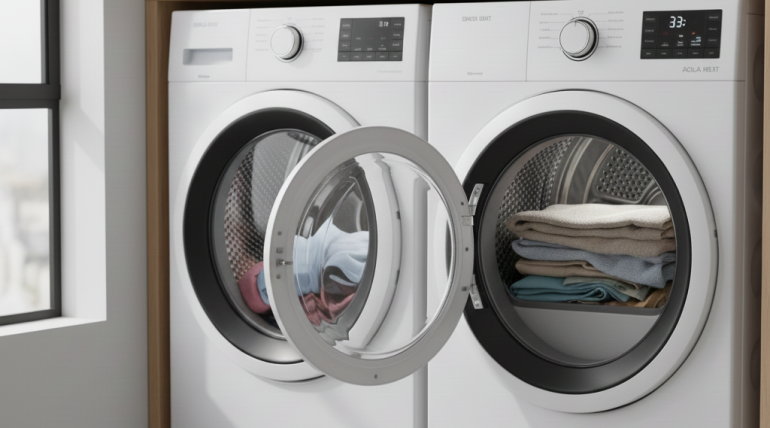
Dryers are one of those household appliances we take for granted—toss in a load of wet clothes, hit start, and come back to fluffy, warm laundry. But behind that convenience lurks a serious risk: dryer fires. Every year, thousands of homes across the United States face devastating fires caused by poorly maintained dryers. According to the National Fire Protection Association (NFPA), U.S. fire departments respond to an average of 15,970 home structure fires involving clothes dryers or washing machines each year. These incidents not only destroy property but can also lead to injuries and even fatalities. In fact, clothes dryer fires account for an estimated 2,900 residential fires annually, resulting in about 5 deaths and 100 injuries.
If you’re a homeowner in Wesley Chapel, Florida, or nearby areas like Shady Hills, Hudson, Dade City, Land O’ Lakes, or Odessa, keeping your dryer in top shape isn’t just about efficiency—it’s about safety. At SkyBreezeTech, we specialize in appliance repair and maintenance, helping families in these communities avoid such hazards through professional services. In this article, we’ll dive into practical, step-by-step advice on maintaining your dryer to prevent fire risks. Whether you’re a busy parent juggling laundry for the kids or someone who just wants peace of mind, these tips can make a big difference.
Understanding the Risks of Dryer Fires
Before we get into the how-to’s, it’s worth understanding why dryers pose such a fire hazard. The main culprit? Lint. That fluffy stuff that builds up from your clothes is highly flammable. When it accumulates in the lint trap, exhaust vents, or even inside the dryer itself, it can ignite from the heat generated during drying cycles. Over time, restricted airflow causes the dryer to overheat, turning a simple appliance into a potential tinderbox.
Statistics paint a grim picture. The U.S. Fire Administration reports that failure to clean the dryer is the leading cause of these fires, accounting for about 34% of incidents. Gas dryers add another layer of risk with potential gas leaks, while electric models can suffer from faulty wiring. And it’s not just old appliances—newer ones can be affected too if not maintained properly.
Think about it: How often do you peek behind your dryer? For many people, the answer is “never,” until something goes wrong. But ignoring that space can lead to dust, debris, and lint buildup that restricts ventilation. In humid climates like Florida’s, moisture can mix with lint to create even more blockages. Homes in areas like Wesley Chapel or Dade City, where allergens and pollen are common, might see faster accumulation. That’s why regular checks are crucial. By staying proactive, you can slash your risk dramatically and extend your dryer’s lifespan.
Essential Cleaning Habits for Everyday Use
The good news is that preventing dryer fires starts with simple habits you can incorporate into your routine. Let’s break it down.
First and foremost, clean the lint filter every single time. Yes, every load. It might seem tedious, but this one step catches most of the lint before it escapes into the vents. Simply pull out the screen, scrape off the lint with your fingers or a soft brush, and rinse it under warm water if it’s coated with fabric softener residue from dryer sheets. Those sheets, while great for reducing static, can leave a waxy film that blocks airflow. Let the filter dry completely before popping it back in—running the dryer without it is a big no-no, as it lets lint fly straight into the ducts.
Beyond the filter, give the dryer drum a quick wipe-down monthly. Lint can stick to the interior, especially around the edges. Use a vacuum with a hose attachment to suck up any loose particles. If you’ve washed items with oils or chemicals—like rags from a home improvement project—be extra vigilant. These can leave flammable residues that heat up and ignite. Always wash such items separately and air-dry them if possible.
Don’t forget the area around the dryer. Keep it free of clutter— no stacking boxes, clothes, or cleaning supplies nearby. Flammable items like these can catch fire if the dryer overheats. Vacuum behind and under the dryer every few months to remove dust bunnies and stray lint. In Florida’s dusty environments, especially in places like Hudson or Shady Hills, this buildup happens faster due to outdoor debris tracked inside.
Incorporating these habits doesn’t take much time but pays off hugely. Imagine avoiding a fire that could cost thousands in damages—it’s worth the effort.
Related: How To Fix A Noisy Refrigerator That’s Driving You Crazy
Maintaining the Venting System: The Backbone of Safety
The venting system is where most dryer fire risks hide. That long duct running from your dryer to the outside vent is a prime spot for lint clogs. If airflow is blocked, heat builds up, and boom—fire hazard.
Experts recommend cleaning the dryer duct at least once a year, or more if you do a lot of laundry. Here’s how: Unplug the dryer and disconnect the duct (usually a flexible tube clamped to the back). Use a vent cleaning kit—a long brush attached to a drill or rod—to scrub out the lint. Work from both ends: inside the dryer and outside the home. The outdoor vent flap should open freely; check for bird nests or debris, common in Florida’s wildlife-rich areas like Land O’ Lakes.
If your duct is the accordion-style flexible type, replace it immediately. These crimp easily, trapping lint, and are a fire waiting to happen. Opt for rigid or semi-rigid metal ducts instead—they’re smoother and safer.
For longer vents or multi-story homes, this job might be tricky. That’s where professionals come in. At SkyBreezeTech, our technicians in Wesley Chapel use specialized tools to thoroughly clean vents, ensuring optimal airflow for homes in Odessa, Dade City, and beyond. We’ve seen firsthand how a simple vent cleaning can prevent disasters— one client in Hudson avoided a potential fire after we removed pounds of built-up lint.
Also, inspect the vent hood outside. It should have a damper that prevents backdrafts but opens easily. In rainy Florida weather, ensure it’s not rusted or clogged with leaves.
Electrical and Mechanical Checks to Avoid Overheating
Dryers aren’t just about lint; electrical issues play a role too. Overloaded circuits or worn cords can spark fires. Start by checking the power cord for frays or damage. If it’s a gas dryer, sniff for leaks (a rotten egg smell) and ensure connections are tight.
Run the dryer on air-only cycles occasionally to test for unusual noises—like rattling or grinding—which could indicate loose parts or a failing motor. Overheating is a red flag; if clothes take forever to dry or the dryer feels hot to the touch, there’s likely a blockage or mechanical issue.
Thermostats and thermal fuses are built-in safeties that shut off the dryer if it gets too hot, but they can fail over time. If your dryer stops mid-cycle, it might be these components sacrificing themselves to prevent a fire. Don’t bypass them—replace them properly.
For gas models, annual professional inspections are key to check burners and igniters. Electric dryers benefit from checks on heating elements. If you’re not handy with tools, it’s best to call in experts. SkyBreezeTech offers comprehensive dryer inspections for residents in Wesley Chapel and surrounding spots like Shady Hills, helping you catch issues early.
Signs of Potential Problems and When to Act
Knowing the warning signs can save your home. If drying times increase suddenly, that’s often the first clue to a vent clog. Excessive heat from the dryer or a burning smell? Shut it off immediately and investigate.
Other red flags: Clothes coming out unusually hot, visible lint around the dryer door, or the machine vibrating more than usual. In humid areas like Florida, moldy smells might indicate moisture trapped in vents, exacerbating fire risks.
If you spot these, don’t delay. Unplug the dryer and assess. For anything beyond basic cleaning, professional help is wise. Attempting DIY fixes on electrical parts can be dangerous.
Related: The Ultimate Cheat Sheet For Appliance Error Codes (Fridge, Washer, Dryer)
Safe Dryer Usage Tips for Daily Life
Prevention isn’t just maintenance—it’s smart usage. Never overload the dryer; it strains the motor and traps heat. Sort loads by fabric type to avoid uneven drying.
Avoid drying items with rubber, foam, or plastic backing, as they can melt and ignite. Clean up spills from flammable liquids before washing.
Set reminders for maintenance—perhaps seasonally with your AC checks in Florida’s hot summers.
When Professional Help Makes Sense
Sometimes, DIY isn’t enough. If your vents are hard to reach or your dryer is older, pros ensure thorough work. At SkyBreezeTech, we provide expert dryer maintenance and repair services across Wesley Chapel, Hudson, Dade City, Land O’ Lakes, Odessa, Shady Hills, and other nearby locations. Our team uses advanced tools to clean vents, inspect components, and optimize performance, giving you safety and efficiency.
We’ve helped countless families avoid fires— one recent call in Odessa revealed a severely clogged vent that could have sparked anytime. Don’t wait for a problem; schedule a check-up today.
Conclusion: A Safer Home Starts with You
Maintaining your dryer to prevent fire hazards is straightforward but essential. From daily lint cleaning to annual vent scrubs, these steps protect your family and property. In Florida’s warm climate, where appliances work harder, vigilance pays off.
Remember, if you’re in Wesley Chapel or nearby areas, SkyBreezeTech is here to help with professional appliance care. Stay safe, and keep that laundry routine worry-free.