Top Signs Your Washing Machine Needs Professional Repair
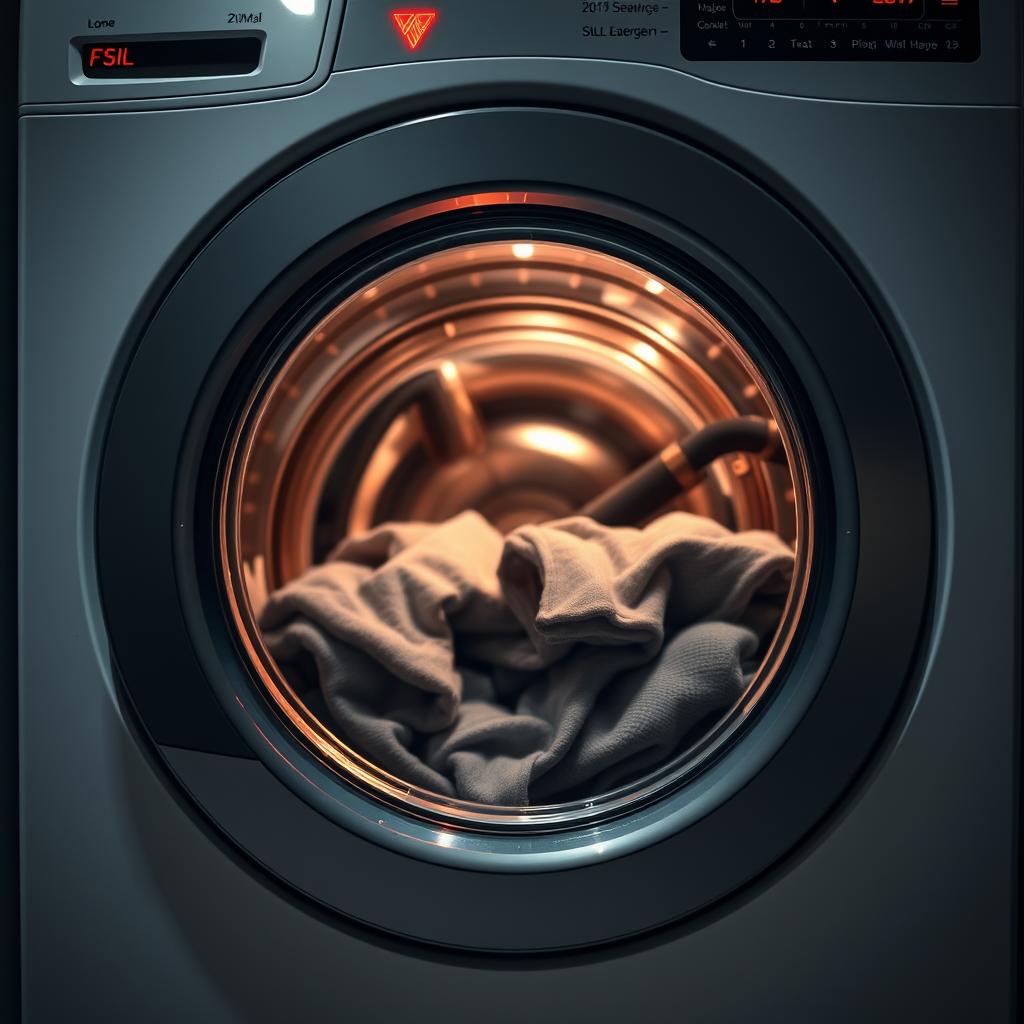
Your washing machine is one of the hardest-working appliances in your home, and like any mechanical device, it gives warning signs when something is going wrong. The key is recognizing these signs early and acting before a minor issue turns into a major breakdown — or worse, a flooded laundry room. Here are the most important warning signs that your washing machine needs professional attention.
Sign #1: Unusual or Loud Noises
All washing machines make some noise during operation, and you get used to the normal sounds over time. What you should not ignore are new or unusual sounds that were not there before. A loud banging or thumping during the spin cycle often indicates an unbalanced load, but if it happens consistently regardless of the load size, the drum bearings, shock absorbers, or suspension springs may be worn out.
Grinding or scraping noises point to a failing bearing, a loose drum spider, or a foreign object caught between the inner and outer tubs. Squealing or high-pitched whining may indicate a worn drive belt or motor bearing. Clicking or buzzing sounds that do not correspond to normal cycle changes could signal an electrical issue with the timer or control board.
The important thing is to pay attention when something sounds different. A noise that starts small typically gets worse over time, and the longer you wait, the more damage occurs. A worn bearing that produces a faint grinding sound today can destroy the drum spider and outer tub if ignored, turning a $200 repair into a $600 one — or a total loss.
Sign #2: Water Leaking From Any Location
Water on the floor around your washing machine is never normal and should be investigated immediately. The source of the leak determines the severity and urgency of the repair. Leaks from the front may indicate a door gasket issue (on front-loaders) or an oversudsing problem. Leaks from underneath often point to a pump seal, hose connection, or tub seal failure. Leaks from the back usually involve the water supply hoses or the drain hose connection.
Even small, intermittent leaks deserve attention. Water damage to flooring and subfloor accumulates silently — by the time you notice warped or soft flooring, the damage may be extensive. If your washer is on an upper floor, a leak can cause ceiling damage to the room below. Check the hoses regularly and consider upgrading to stainless steel braided hoses if you still have standard rubber ones. For a full maintenance routine that prevents leak-related problems, see our washing machine maintenance guide.
Sign #3: The Washer Won’t Drain or Spins Poorly
If you open the washer after a cycle and find your clothes sitting in standing water, the drain system has a problem. Common causes include a clogged drain pump filter, a blocked drain hose, a failed drain pump, or a control board issue that prevents the drain cycle from activating. Start with the simplest fix — cleaning the drain pump filter — and work up from there.
Poor spinning performance is closely related. If clothes come out soaking wet instead of just damp, the spin cycle is not reaching full speed. This could be caused by a worn drive belt, failing clutch (on top-loaders), motor problems, or a faulty lid switch or door lock. Our detailed guide on why your washing machine will not spin covers all the common causes and what to do about each one.
Sign #4: Persistent Odors That Won’t Go Away
A musty, mildew, or sewage-like smell coming from your washing machine is more than just unpleasant — it indicates a sanitation issue that affects every load of laundry you run. While many odor problems can be resolved with thorough cleaning (see our guide on eliminating washing machine odor), persistent smells that return despite regular cleaning may indicate a deeper problem.
The odor could be coming from mold growing inside the outer tub (which you cannot access without partial disassembly), a partially clogged drain hose harboring bacteria, or a drain pump that is not fully evacuating water. In some cases, a plumbing issue with the standpipe or drain connection can allow sewer gas to enter through the washer. If cleaning and good habits do not resolve the smell, a professional assessment is warranted.
Sign #5: Error Codes That Keep Coming Back
Modern washing machines display error codes when sensors detect a problem. Occasional codes that clear with a simple reset are usually nothing to worry about — they can be triggered by temporary conditions like an unbalanced load or a slow-filling water supply. But error codes that appear repeatedly or cannot be cleared by resetting the machine indicate a persistent component failure.
Common recurring codes include door lock errors, motor errors, water level errors, and communication errors between the control board and user interface. Each of these points to a specific component that needs testing and likely replacement. A qualified technician can interpret the codes, test the related components, and determine the most cost-effective repair.
Sign #6: The Machine Vibrates Excessively or Moves Across the Floor
Some vibration during the spin cycle is normal, especially with heavy or bulky loads. But excessive vibration that shakes the room, causes items to fall off nearby surfaces, or literally walks the machine across the floor is a problem. The most common cause is simply an unlevel machine — check with a bubble level and adjust the feet as needed.
If the machine is level but still vibrates excessively, the internal shock absorbers or suspension springs may be worn. These components dampen the drum’s movement during high-speed spinning, and when they fail, the drum bounces and thrashes inside the cabinet. On top-loading washers, worn snubber pads or dampening straps can cause similar symptoms. Left unchecked, excessive vibration stresses every component in the machine and dramatically shortens its lifespan.
How to Decide: Repair or Replace?
As a general guideline, if your washing machine is less than eight years old and the repair cost is less than half the price of a new unit, repair is usually the better value. If the machine is older than ten years and requires a major repair (motor, transmission, or tub), replacement often makes more financial sense, especially when you factor in the improved efficiency and features of modern washers.
The age of the machine, the cost and nature of the repair, and the overall condition all factor into the decision. A professional technician can give you an honest assessment of whether the repair is worthwhile or whether your money would be better spent on a replacement.
Don’t Wait Until It’s an Emergency
The best time to address a washing machine problem is when you first notice it — not after it has progressed to a full breakdown or a flood. The technicians at SkyBreeze Appliance Repair work with all major brands including Samsung, LG, Whirlpool, Maytag, GE, and more. We serve homeowners throughout Tampa, Wesley Chapel, Lutz, Land O’ Lakes, Zephyrhills, Dade City, Hudson, Shady Hills, The Villages, and surrounding communities. If your washer is showing any of the signs above, give us a call — catching the problem early almost always saves money and hassle in the long run.