Garburator Not Working? How to Fix a Jammed Garbage Disposal
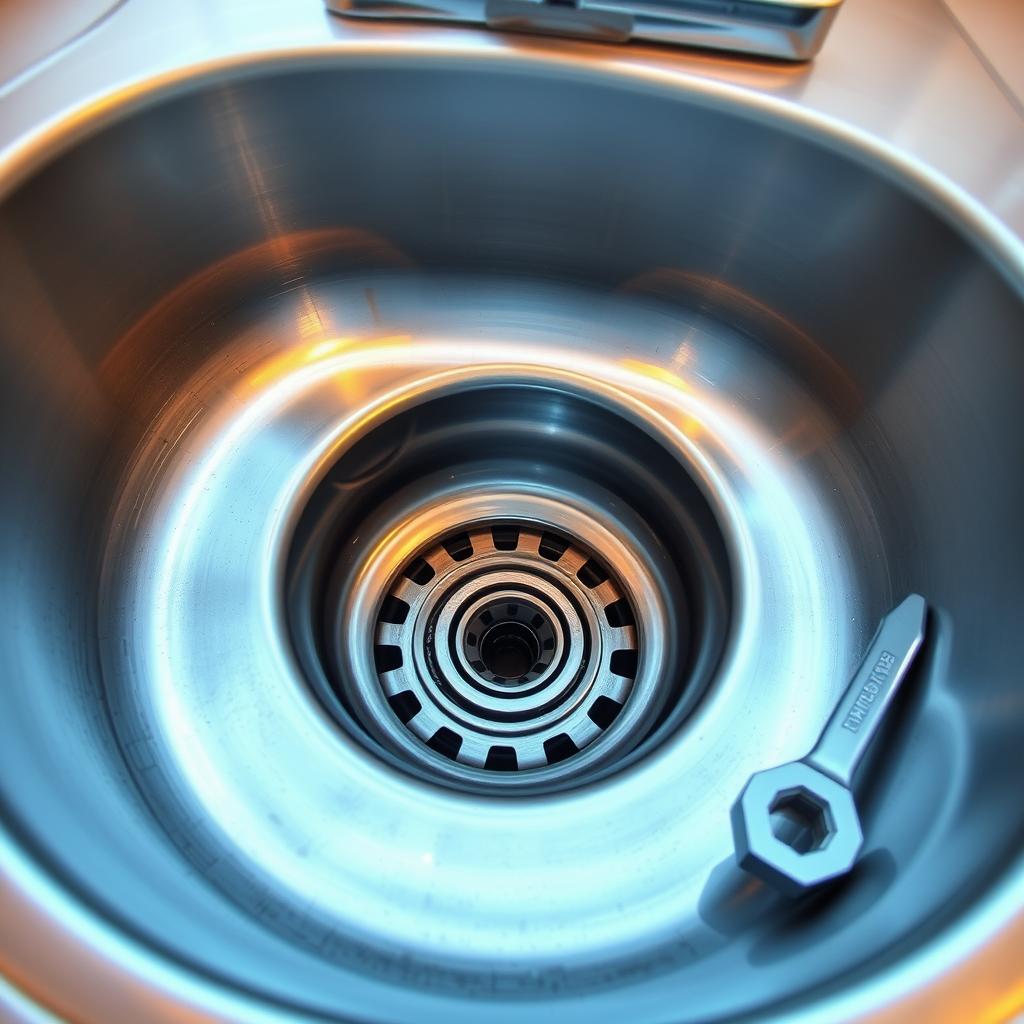
Your garbage disposal (also called a garburator) is one of those appliances you do not think about until it stops working. One moment you are washing dishes normally, and the next you are standing over a sink that will not drain while the disposal either hums menacingly or sits in complete silence. The good news is that most garbage disposal problems are fixable with basic tools and a few minutes of your time.
Problem: The Disposal Hums but Won’t Grind
If you flip the switch and hear a humming or buzzing sound but the disposal is not grinding, the flywheel is jammed. Something has gotten wedged between the impellers and the grinding ring, preventing the motor from turning. The motor is receiving power (hence the hum), but it cannot rotate.
How to Fix a Jammed Disposal
First, turn off the disposal and make sure the switch is in the off position. Never put your hand into a disposal while it is connected to power. Look under the sink at the bottom of the disposal unit for a hex socket (most disposals have one). Insert a quarter-inch hex wrench (an Allen key — many disposals come with one) and turn it back and forth. This manually rotates the flywheel and should free whatever is causing the jam.
If your disposal does not have a hex socket on the bottom, you can use a wooden broom handle or a thick wooden spoon inserted from the top. Place it against one of the impeller blades and push to rotate the flywheel. Never use a metal utensil from the top, as it can damage the disposal or become a projectile if the motor suddenly starts.
Once the flywheel moves freely, use tongs or pliers (not your fingers) to reach in from the top and remove whatever was causing the jam. Common culprits include fruit pits, bones, bottle caps, small utensils, glass, and hard food debris. After clearing the obstruction, run cold water and turn on the disposal. It should be back to normal.
Problem: The Disposal Won’t Turn On at All
If flipping the switch produces absolutely no sound — no humming, no grinding, nothing — the disposal is either not receiving power or the motor has failed.
Check the Reset Button
Look at the bottom of the disposal unit for a small red or black button. This is the reset button, which is essentially a built-in circuit breaker. If the disposal overloaded (from a jam, overheating, or a power surge), this button pops out, cutting power to the motor. Press it firmly until it clicks back into place. Try the switch again.
Check the Electrical Supply
If the reset button did not help, check the circuit breaker in your electrical panel. The disposal may be on a dedicated circuit or it may share a circuit with other kitchen outlets. If the breaker has tripped, reset it. If it trips again immediately, there may be a wiring issue that needs an electrician’s attention.
If the disposal is plugged into an outlet under the sink, make sure the plug is fully inserted. Vibration from the disposal can gradually loosen the plug over time. Also check if the outlet is controlled by a GFCI (Ground Fault Circuit Interrupter) — press the reset button on the GFCI outlet to restore power.
Wall Switch Issues
The wall switch that controls the disposal can fail over time. If the reset button is in, the breaker is on, and the outlet has power (test it with another device), the switch itself may be faulty. Replacing a wall switch is a straightforward electrical repair, but if you are not comfortable working with wiring, call an electrician.
Problem: The Disposal Drains Slowly or Won’t Drain
If the disposal runs but water backs up in the sink, the drain line is clogged. This is different from a disposal jam — the grinding mechanism works, but the ground-up waste cannot exit through the drain pipe.
Start by running the disposal with plenty of cold water to try to flush the clog. If that does not work, turn off the disposal and check the drain trap (the P-shaped pipe under the sink). Place a bucket underneath, remove the trap, and clear any blockage. Reassemble and test.
If the clog is deeper in the drain line beyond the trap, a sink plunger or a drain snake may be needed. Never use chemical drain cleaners with a garbage disposal — the harsh chemicals can damage the disposal components and the connected plumbing.
Problem: The Disposal Leaks
Disposal leaks can come from three main areas. A leak from the top where the disposal meets the sink flange usually means the mounting hardware has loosened or the plumber’s putty has dried out. Tighten the mounting bolts or remove the disposal and re-seal with fresh plumber’s putty.
A leak from the side where the dishwasher drain hose connects (if applicable) means the hose clamp is loose. Tighten it with a screwdriver. A leak from the bottom of the disposal usually indicates a failed internal seal, which typically means the disposal needs replacement — internal seals are generally not serviceable.
Problem: The Disposal Smells Bad
A smelly disposal is usually caused by food buildup on the grinding components and the inside walls of the unit. Over time, a layer of decomposing food residue develops that produces unpleasant odors.
To deodorize, start by grinding a handful of ice cubes with half a cup of rock salt or kosher salt. The abrasive action of the ice and salt scrubs the grinding components clean. Follow with the peel of a lemon, lime, or orange — the citrus oils provide a fresh scent and have natural antibacterial properties. For stubborn odors, pour half a cup of baking soda into the disposal, let it sit for 30 minutes, then flush with hot water while running the disposal.
Best Practices for Garbage Disposal Care
Always run cold water before, during, and for 15 seconds after using the disposal. Cold water solidifies grease so it can be ground up and flushed away, whereas hot water keeps grease in liquid form, allowing it to coat the inside of your drain pipes and cause clogs.
Feed waste into the disposal gradually rather than stuffing large amounts in at once. Cut large items into smaller pieces. Avoid putting these items in the disposal: large bones, fibrous vegetables (celery, artichokes, corn husks), starchy foods in large quantities (pasta, rice, potato peels), coffee grounds in large amounts, grease or cooking oil, eggshells (despite the common myth, they do not sharpen the blades — disposals do not have blades), and non-food items of any kind.
When to Replace Your Garbage Disposal
Garbage disposals typically last 8 to 12 years. Signs that replacement is needed include frequent jams that do not respond to the hex wrench method, persistent leaks from the bottom (internal seal failure), a motor that hums but will not turn even after clearing all obstructions, and consistently poor grinding performance despite a clean unit. If your disposal is approaching or past the 10-year mark and experiencing recurring issues, replacement is usually more practical than repeated repairs.
Need Professional Help?
While many disposal issues are DIY-friendly, some situations call for professional help — especially if you suspect electrical problems, persistent drain clogs that extend beyond the disposal, or if the disposal needs full replacement. The team at SkyBreeze Appliance Repair services garburators and garbage disposals alongside refrigerators, washers, dryers, dishwashers, and ovens throughout Tampa, Wesley Chapel, Lutz, Land O’ Lakes, Hudson, Shady Hills, Dade City, Zephyrhills, The Villages, and surrounding Florida communities. If your disposal has you stumped, we are happy to help get things grinding again.