How to Get Rid of Washing Machine Odor Once and for All
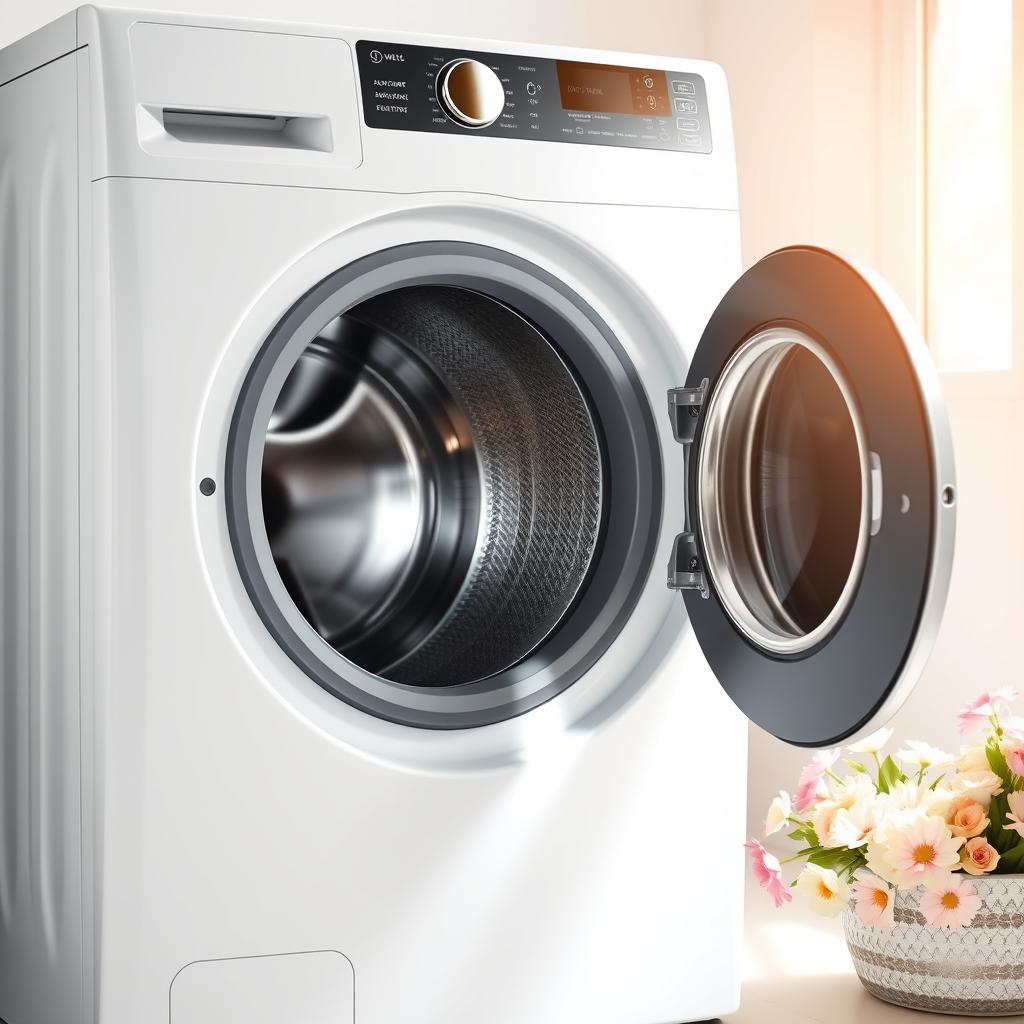
You pull a load of freshly washed laundry out of the machine, and instead of that clean, fresh scent you expect, there is a musty, mildew smell clinging to everything. Even worse, the smell seems to get stronger every week no matter how much detergent you use. If this sounds familiar, you are dealing with one of the most common washing machine complaints — and fortunately, it is entirely fixable.
Why Your Washing Machine Smells
That unpleasant odor is caused by mold, mildew, and bacteria growing inside your washing machine. These organisms thrive in dark, damp environments — and the inside of a washer that sits closed between loads is exactly that. The problem is especially common in front-loading washers because their horizontal drum design means water tends to pool at the bottom of the door seal, but top-loaders can develop odor issues too.
Several factors contribute to the problem. Using too much detergent leaves residue that feeds mold growth. Fabric softener creates a waxy buildup that traps moisture and bacteria. Washing primarily in cold water does not kill odor-causing organisms. And keeping the door closed between loads creates a sealed, humid chamber that is perfect for mold and mildew to multiply.
Step 1: Run a Hot Cleaning Cycle
The first step in eliminating washer odor is running a thorough cleaning cycle. If your machine has a dedicated clean or sanitize cycle, use it — these cycles use the hottest water and longest run times. If not, select the hottest water temperature and the longest cycle available.
Add two cups of white vinegar directly to the drum and half a cup of baking soda to the detergent dispenser. The vinegar kills mold and bacteria while dissolving mineral deposits, and the baking soda helps neutralize odors and scrub away residue. Run the full cycle with the drum empty. When it finishes, the inside should smell noticeably cleaner.
For stubborn odor that has built up over months or years, you may need to repeat this process two or three times. You can also use a commercial washing machine cleaner if you prefer — brands like Affresh and OxiClean Washing Machine Cleaner are formulated specifically for this purpose.
Step 2: Deep Clean the Door Gasket
If you have a front-loading washer, the rubber door gasket is ground zero for mold growth. Pull back the folds of the gasket and look inside — you will likely find black mold spots, trapped lint, hair clips, coins, and standing water. This buildup is one of the biggest contributors to washer odor.
Mix equal parts white vinegar and water in a spray bottle and thoroughly spray the entire gasket, getting into every fold and crevice. Let it sit for 10 minutes, then scrub with an old toothbrush or soft cloth. For black mold stains that resist vinegar, make a paste of baking soda and water and apply it to the stained areas. Let it sit for 15 minutes before scrubbing. Wipe everything dry when you are finished.
Going forward, wipe down the gasket after every load — or at minimum after the last load of the day. This 30-second habit prevents most mold growth from returning. For more gasket care tips and other maintenance essentials, check out our complete washing machine maintenance guide.
Step 3: Clean the Detergent Dispenser
The detergent, bleach, and fabric softener dispensers are another common hiding spot for mold and residue buildup. Pull the dispenser drawer out completely (most pull straight out or have a release tab) and soak it in hot, soapy water. Use a small brush to scrub away any caked-on residue, paying special attention to the fabric softener compartment, which tends to get the gunkiest.
While the drawer is out, look into the cavity where it sits. You may find mold growing on the surfaces and in the channels where water flows. Spray with vinegar, scrub, and wipe clean. Let everything dry completely before reassembling.
Step 4: Clean the Drain Pump Filter
Most front-loading washers and many newer top-loaders have a drain pump filter that catches debris before it reaches the pump. Over time, this filter collects lint, hair, small items, and organic material that decomposes and creates foul odors. Some homeowners have never cleaned this filter and are shocked by what they find inside.
The filter is usually behind a small panel at the bottom front of the machine. Place towels and a shallow pan underneath before opening it — water will drain out. Remove the filter, clean off all debris, and rinse it under running water. The smell improvement from this single step can be dramatic. If your washer is also having trouble spinning, a clogged filter could be contributing to that problem as well.
Step 5: Change Your Daily Habits
Cleaning your washer solves the immediate odor problem, but preventing it from coming back requires a few simple habit changes.
Leave the Door Open Between Loads
After your last load of the day, leave the washer door open or at least cracked. This allows air to circulate inside the drum and gasket area, preventing the damp, sealed environment that mold needs to grow. If space is tight in your laundry room, even a few inches makes a meaningful difference.
Use the Right Amount of HE Detergent
If you have a high-efficiency washer, using regular detergent or too much HE detergent creates excess suds that the machine cannot fully rinse away. This residue coats the inside of the drum, builds up in the gasket, and feeds mold and bacteria. Follow the detergent manufacturer’s recommended amount — it is probably less than you think. Most HE loads only need one to two tablespoons.
Skip the Fabric Softener
Liquid fabric softener leaves a waxy coating inside the machine that traps moisture and promotes bacterial growth. If you want softer clothes, try wool dryer balls or vinegar in the rinse cycle instead. Both soften clothes without leaving residue in your washer.
Run a Monthly Maintenance Cycle
Even with good daily habits, running a hot cleaning cycle once a month prevents residue and mold from gaining a foothold. Think of it as the monthly reset for your washing machine. Set a recurring reminder on your phone so you do not forget.
When the Smell Will Not Go Away
If you have followed all the steps above and the odor persists, the problem may be deeper than surface mold. Mold can grow inside the outer tub (the part you cannot see), in the drain hose, or in other internal components that are not accessible without partial disassembly. In some cases, the rubber door gasket itself becomes so saturated with mold that cleaning is not enough and the gasket needs to be replaced.
Persistent drainage issues can also cause odors — if dirty water is not fully draining, stagnant water sits inside the machine between uses. This can point to a partially clogged drain hose, a weak drain pump, or even an installation issue where the drain hose is not positioned correctly.
If the smell stubbornly refuses to go away despite thorough cleaning, the appliance repair team at SkyBreeze Appliance Repair can help. We service all major washing machine brands including Samsung, LG, Whirlpool, Maytag, and GE throughout Tampa, Wesley Chapel, Lutz, Land O’ Lakes, Zephyrhills, and all surrounding communities. Sometimes a professional deep clean or a gasket replacement is what it takes to finally get your washer smelling fresh again.
Fresh Laundry Starts with a Fresh Machine
A smelly washing machine does not mean you need a new one. In the vast majority of cases, a thorough cleaning combined with a few simple habit changes will eliminate the odor completely and permanently. Start with the vinegar and baking soda cleaning cycle today, tackle the gasket and dispenser this weekend, and commit to leaving the door open between loads going forward. Your nose — and your laundry — will appreciate the effort.