How to Prevent Washing Machine Flooding: Essential Safety Tips
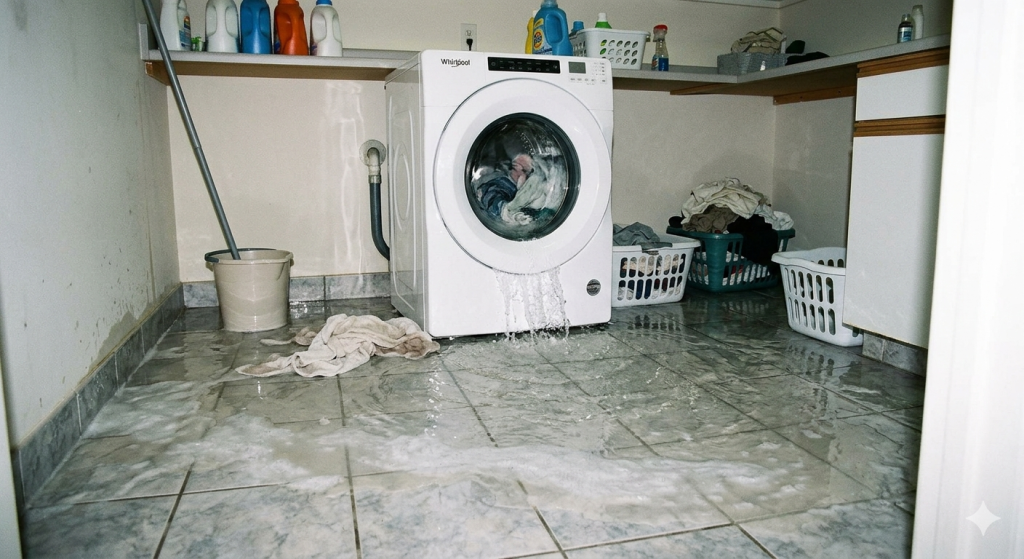
A washing machine flood is one of the most damaging emergencies a homeowner can face. A single burst hose can release hundreds of gallons of water in a short time, causing thousands of dollars in damage to floors, walls, furniture, and belongings. Insurance claims from washing machine water damage are among the most common and costly homeowner claims filed in the United States. The good news is that virtually all washing machine floods are preventable with a few simple precautions.
Tip #1: Upgrade to Stainless Steel Braided Hoses
Standard rubber washing machine hoses are the number one cause of washer-related flooding. These hoses are under constant water pressure (even when the washer is off), and over time the rubber degrades from the inside out. By the time you see external cracking or bulging, the hose may be close to failure. When a rubber hose bursts, it releases water at full household pressure, which can mean 300 to 600 gallons per hour depending on your water pressure.
Stainless steel braided hoses have a reinforced construction that is dramatically more resistant to bursting. They cost between fifteen and thirty dollars for a set and are one of the most cost-effective home improvements you can make. Replace your hoses with braided versions and check them annually for any signs of wear at the connection points. Even braided hoses should be replaced every five years as a precaution.
Tip #2: Shut Off Water Supply When Not in Use
Your washing machine’s water supply valves are typically located on the wall behind the machine. These valves are under constant pressure whether the washer is running or not. Turning off the supply valves when the washer is not in use removes the water pressure from the hoses, virtually eliminating the risk of a burst hose when you are not home.
If turning the valves off and on for every load feels like too much hassle (it does for most people), at minimum turn them off when you leave for vacation or extended trips. A hose that bursts while you are away for a week can cause catastrophic damage that goes undetected for days.
Tip #3: Install an Automatic Shutoff Valve
For a more convenient solution, consider installing an automatic water shutoff system. These devices mount between the water supply and the washing machine hoses and can detect leaks or abnormal water flow. When a leak is detected, the valve automatically shuts off the water supply, limiting damage to whatever water was already in the system.
Some automatic shutoff systems use a moisture sensor placed on the floor beneath the washer — when the sensor gets wet, the valve closes. Others monitor water flow patterns and shut off if the machine seems to be using water continuously for longer than a normal cycle. The investment typically ranges from fifty to two hundred dollars, which is a fraction of what even a minor flood would cost to repair.
Tip #4: Inspect Hoses Regularly
Make a habit of visually inspecting your washing machine hoses every few months. Look for bulging, cracking, fraying, discoloration, or any sign of wear. Check the connection points at both ends (the faucet and the washer) for moisture, rust, or corrosion. Gently bend the hose near the connection points and feel for brittleness — if the rubber feels stiff or crunchy rather than flexible, it is time to replace.
Also check the hose washers (the rubber or fiber gaskets inside the hose fittings). Worn washers cause slow drips that go unnoticed behind the machine, leading to mold growth and floor damage over time. Hose washers are inexpensive and easy to replace when you notice any dripping. Hose inspection should be part of your regular washing machine maintenance routine.
Tip #5: Use a Washing Machine Pan
A washing machine drain pan is a shallow tray that sits underneath the washer and catches any water from minor leaks or overflows. Most pans have a drain fitting that can be connected to a floor drain or a condensate line, directing leaked water safely away from your flooring.
A drain pan is not going to help in a major hose burst (the volume of water would overwhelm it quickly), but it provides excellent protection against the slow leaks, gasket drips, and overflow events that are far more common. If your washer is on an upper floor, a drain pan is especially important — even a small leak upstairs can cause significant ceiling damage below.
Tip #6: Do Not Leave the Washer Running Unattended for Extended Periods
While it is not practical to stand next to your washer for every cycle, avoid starting a load and leaving the house for several hours. If a leak develops during a cycle while you are home, you can catch it quickly and minimize damage. The worst flood scenarios happen when a hose bursts or a connection fails while the homeowner is away for hours or days.
If you need to leave while a cycle is running, at minimum know where your main water shutoff valve is located so you can act quickly if you come home to a problem. Many smart home water sensors can send alerts to your phone if they detect water on the floor, giving you early warning even when you are away.
Tip #7: Maintain Your Washing Machine
A well-maintained washing machine is less likely to develop the issues that lead to flooding. Keep the drain pump filter clean to prevent drainage backups. Make sure the machine is level to reduce vibration that can loosen hose connections. Do not overload the washer, which can cause excessive vibration and strain on connections. And address any warning signs of washing machine problems promptly rather than waiting for a minor issue to become a major one.
Pay attention to any signs of water around the base of your washer. Even a small amount of water after a cycle indicates a seal, gasket, or connection issue that should be investigated. A washer that will not spin properly may also leave excess water that contributes to overflow situations.
What to Do If Your Washer Floods
If you discover a washing machine flood in progress, act quickly. Turn off the water supply valves immediately (or the main water shutoff if you cannot reach the washer valves). Unplug the washing machine. Start removing standing water with towels, a wet-dry vacuum, or a mop. Open windows and set up fans to begin drying the area. Remove any wet items from the floor to prevent further damage. Contact your homeowner’s insurance company if the damage is significant.
Speed matters — the faster you stop the water and begin drying, the less damage you will sustain. Water that sits for more than 24 to 48 hours promotes mold growth, which adds a health hazard and significantly increases remediation costs.
Protect Your Home Today
Washing machine flood prevention is one of the highest-return home improvements you can make. A set of stainless steel braided hoses and a basic water sensor cost under fifty dollars total and can prevent tens of thousands of dollars in water damage. Do not wait until you have a problem — upgrade your hoses, check your connections, and give yourself peace of mind.
If your washing machine is showing any signs of leaking or performance issues, the team at SkyBreeze Appliance Repair can help. We serve Tampa, Wesley Chapel, Lutz, Land O’ Lakes, Hudson, Dade City, Zephyrhills, The Villages, and all surrounding Florida communities. Prevention is always better than emergency repair — let us help you keep your washer and your home safe.