Refrigerator Ice Maker Not Working? A Step-by-Step Troubleshooting Guide
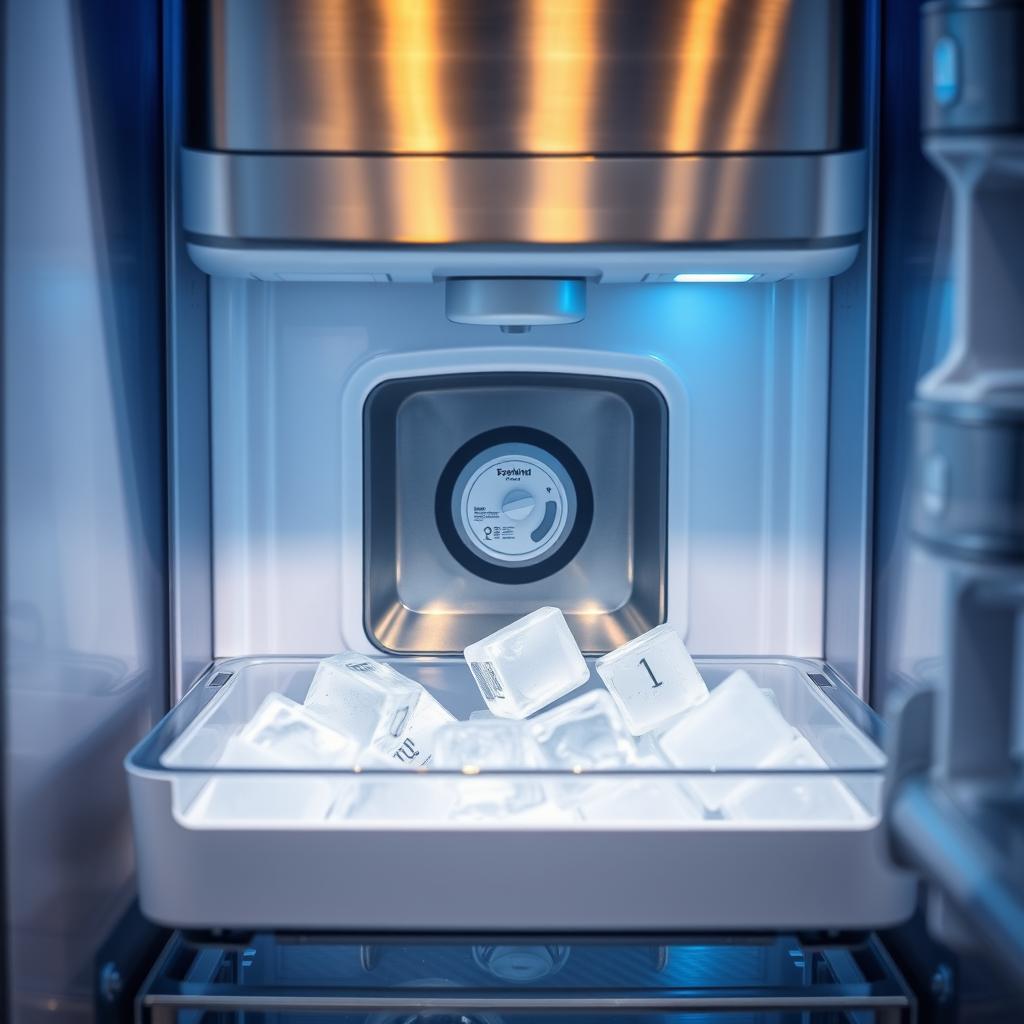
You reach for ice and find an empty bin. The ice maker in your refrigerator has quietly stopped producing, and you have no idea when it happened or why. Ice maker problems are among the most common refrigerator complaints, and while the issue can be frustrating, it is usually caused by something relatively straightforward. This guide will walk you through the most likely causes so you can diagnose the problem and decide whether it is a quick fix or a call to the pros.
Before You Troubleshoot: Quick Checks
Start with the basics that catch most people off guard. First, make sure the ice maker is actually turned on. Most ice makers have a switch, lever arm, or digital control that can be accidentally bumped to the off position. Check your model’s user manual if you are unsure where the on/off control is located.
Second, verify that the freezer temperature is set correctly. The ice maker needs the freezer to be at or below 0 degrees Fahrenheit to function properly. If the freezer temperature has risen above 10 degrees Fahrenheit, ice production stops. Use an appliance thermometer to verify the actual temperature rather than relying on the digital display, which may not be accurate. If your freezer temperature is off, our guide on refrigerators running but not cooling covers the common causes.
Check the Water Supply Line
The ice maker needs a steady supply of water to produce ice. The water supply line runs from a valve on your household plumbing (usually behind the refrigerator or under the kitchen sink) to the back of the fridge. If this line is kinked, frozen, or the supply valve is closed, no water reaches the ice maker and no ice gets made.
Pull the refrigerator away from the wall carefully and inspect the water line for kinks or damage. Make sure the supply valve is fully open. If the line is a small-diameter plastic or copper tube, check for any bends or crimps that could restrict flow. In Florida homes from Tampa to The Villages, copper water lines can sometimes develop mineral buildup that restricts flow over time — flushing or replacing the line may be necessary.
Test the Water Inlet Valve
The water inlet valve is the electrically controlled valve at the back of the refrigerator that opens to let water flow into the ice maker (and the water dispenser, if your fridge has one). When the ice maker calls for water, the inlet valve opens for a few seconds, fills the ice mold, then closes. If the valve is defective, it may not open at all, resulting in no water and no ice.
You can sometimes hear the valve click when the ice maker cycles — if you hear clicking but no water flows, the valve may be stuck or the water pressure may be too low. The water inlet valve requires at least 20 PSI of water pressure to function properly. Low water pressure is a common issue in some areas and can be tested with a simple pressure gauge on the supply line. A completely failed valve will need to be replaced.
Examine the Ice Maker Assembly
The ice maker assembly is the mechanism inside the freezer that fills with water, freezes the water into ice cubes, then ejects them into the storage bin. It contains a motor, a heater (to release the frozen cubes from the mold), a thermostat, and a control module. Any of these components can fail.
If you hear the ice maker cycling (a series of clicks and motor sounds) but no ice is being produced, the ejector mechanism or heater may have failed. If the ice maker is completely silent and does not cycle at all, the motor or control module may be the issue. Many ice maker assemblies are sold as a complete unit and replaced as one piece, which simplifies the repair.
Check for a Frozen Water Fill Tube
The fill tube is a small tube that carries water from the inlet valve to the ice maker mold inside the freezer. This tube can freeze solid, completely blocking water flow to the ice maker. This is one of the most common ice maker problems and is easy to miss because the tube is often hidden behind panels inside the freezer.
To check, locate the fill tube (usually at the back of the freezer compartment) and see if there is ice blocking the opening. If the tube is frozen, you can thaw it carefully with a hair dryer on low heat. Once thawed, investigate why it froze — the usual cause is a faulty water inlet valve that drips water slowly rather than shutting off cleanly. That slow drip freezes and gradually blocks the tube.
Inspect the Ice Maker Mold Thermostat
The mold thermostat monitors the temperature of the ice mold. When the water in the mold reaches the proper frozen temperature, the thermostat signals the heater to warm the mold slightly so the ice cubes release, and then signals the motor to eject the cubes into the bin. A failed thermostat may not sense the correct temperature, preventing the harvest cycle from starting.
Testing the mold thermostat requires a multimeter to check for continuity. If the thermostat shows no continuity when it should, it needs to be replaced. This is a small, inexpensive part that is usually accessible without major disassembly.
The Ice Bin Is Overfull or Misaligned
Most ice makers have a sensor (either a mechanical arm or an optical sensor) that detects when the ice bin is full and stops production. If the ice bin is overfull, if ice cubes have jammed together into a clump, or if the bin is not seated correctly, the sensor may think the bin is full even when it is not.
Remove the ice bin and break up any clumped ice. Make sure the bin is fully seated in its correct position. Check that the sensor arm (if your model uses one) moves freely up and down. For models with an optical sensor, make sure the sensor eye is clean and unobstructed.
Water Filter Issues
If your refrigerator has a water filter, a clogged filter can restrict water flow to the point where the ice maker cannot fill properly. Most manufacturers recommend replacing the water filter every six months. If you cannot remember when you last changed it, it is probably overdue.
Try removing the water filter and running the ice maker without it temporarily (just for testing — do not leave it out long-term). If the ice maker starts producing with the filter removed, you need a new filter. Also verify that the correct filter model is installed — an incompatible filter can restrict flow even when new. Keeping your refrigerator’s water filter fresh is part of good overall maintenance, just like avoiding the common refrigerator mistakes that lead to bigger problems.
When to Call for Professional Help
If you have checked the water supply, tested the basic components, and the ice maker still is not producing, the problem likely requires a technician with diagnostic tools. Sealed system issues, control board faults, and certain electrical problems are beyond typical DIY troubleshooting.
The team at SkyBreeze Appliance Repair has extensive experience with ice maker repairs across all major brands — Samsung, LG, Whirlpool, GE, Frigidaire, KitchenAid, and more. We serve Tampa, Wesley Chapel, Lutz, Land O’ Lakes, Hudson, Shady Hills, Dade City, Zephyrhills, The Villages, and surrounding communities. Ice maker issues are one of our most common repair calls, and in most cases, we can have your ice flowing again in a single visit.