Is Your Dishwasher Leaking From the Bottom? Here’s What to Check
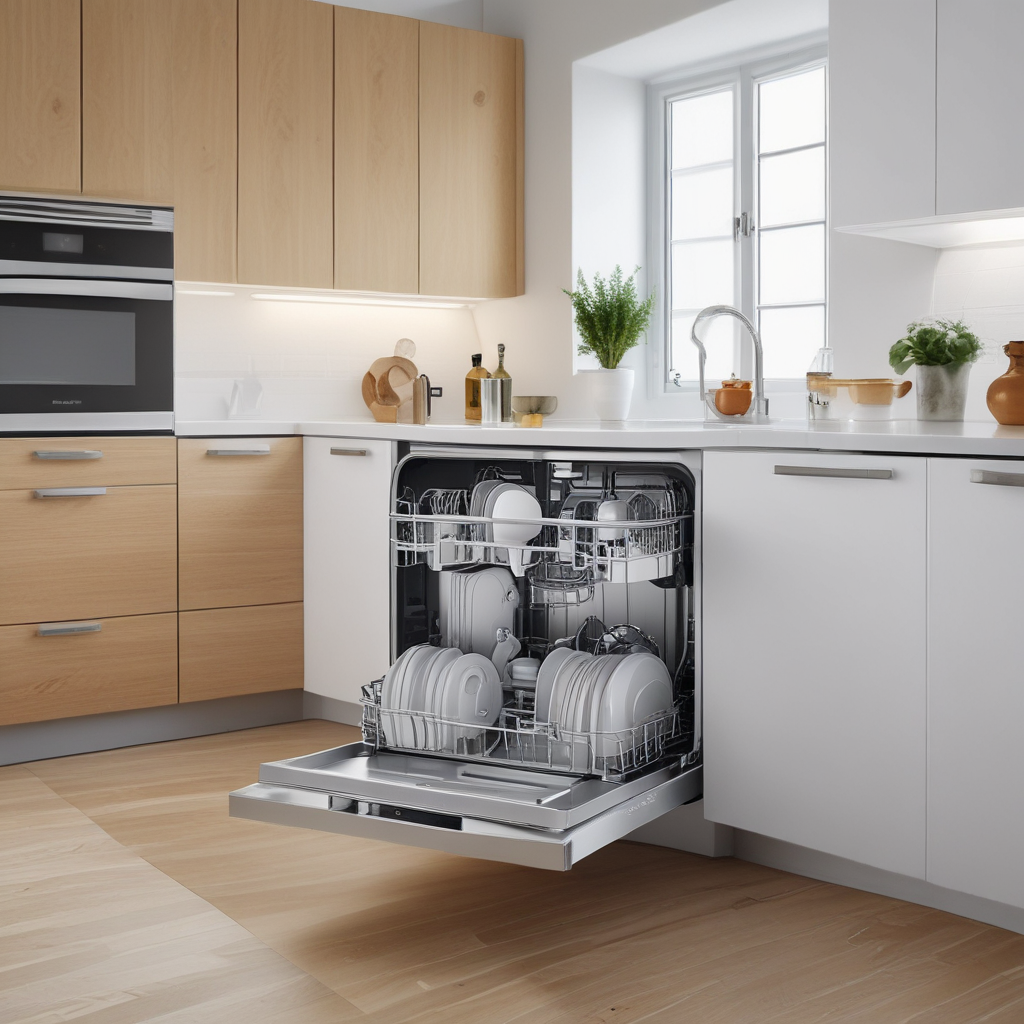
Discovering a puddle of water on your kitchen floor under the dishwasher is never a welcome surprise. A leaking dishwasher can cause significant water damage to your flooring, cabinets, and subfloor if left unaddressed, so it is important to find and fix the source quickly. The good news is that most dishwasher leaks have straightforward causes, and some can even be fixed without a service call.
Safety First: What to Do Immediately
Before troubleshooting, take a few precautions. If there is standing water on the floor near the dishwasher, do not step in it until you are sure the electrical connection is dry. Turn off the dishwasher and, if possible, turn off the water supply valve under the sink. Mop up the standing water and place towels around the base to catch any additional dripping. These steps protect both you and your flooring while you investigate.
The Door Gasket Is Worn or Dirty
The rubber gasket that lines the inside edge of the dishwasher door creates a watertight seal when the door is closed. Over time, this gasket can become brittle, cracked, or warped from heat exposure and age. Food debris and mineral deposits can also build up on the gasket, preventing it from sealing properly. When the gasket fails, water escapes around the door during the wash cycle and pools at the bottom of the dishwasher and onto the floor.
Open the dishwasher and inspect the gasket visually. Look for cracks, tears, gaps, or areas where it has pulled away from the door. Run your finger along the gasket to feel for hard, brittle sections versus the soft, pliable rubber it should be. Clean any buildup with warm soapy water. If the gasket is damaged, replacing it is relatively inexpensive and straightforward — most gaskets simply press into a channel around the door frame.
A Faulty or Clogged Drain Hose
The drain hose carries used water from the dishwasher to the kitchen drain (usually connecting to the garbage disposal or sink drain pipe). If this hose develops a crack, comes loose at a connection point, or becomes kinked, water can leak out underneath or behind the dishwasher.
To inspect the drain hose, you will likely need to pull the dishwasher out from under the counter (after disconnecting the power and water supply). Check the hose for visible damage, and make sure the connections at both the dishwasher end and the drain end are secure and tight. A cracked hose needs replacement, while a loose connection may just need to be re-clamped.
The Water Inlet Valve Is Leaking
The water inlet valve controls the flow of fresh water into the dishwasher at the beginning of each cycle. It is typically located at the bottom of the dishwasher behind the kick plate. When this valve fails or cracks, it can leak water continuously — even when the dishwasher is not running. If you notice water pooling under the dishwasher between cycles, a leaking inlet valve is a strong suspect.
Remove the kick plate (the panel at the very bottom of the dishwasher front) and look for water dripping from the valve or its connections. A failed inlet valve needs to be replaced — this is a repair that most experienced DIYers can handle, but it does involve working with both water and electrical connections.
A Damaged Tub or Tub Seal
The dishwasher tub itself can develop leaks over time, especially in models with plastic tubs. Hard water, harsh detergents, and the constant heating and cooling cycles can cause the tub to develop small cracks or pinholes. Additionally, the seal where the tub meets the motor and pump assembly at the bottom can wear out, allowing water to seep through.
Tub leaks are harder to diagnose because they often drip slowly and intermittently. Look for water stains, mineral deposits, or active drips on the underside of the tub and around the pump area. A tub seal can usually be replaced, but a cracked tub often means it is time for a new dishwasher, depending on the age and condition of the unit.
The Wash Pump or Drain Pump Is Leaking
The wash pump circulates water throughout the dishwasher during the wash cycle, while the drain pump pushes water out at the end. Both pumps have seals that can wear out over time, allowing water to leak from the pump housing. A leaking pump typically drips from the very bottom center of the dishwasher.
You may also hear unusual noises from a failing pump, such as grinding or humming sounds. If the pump seal is leaking, it can sometimes be replaced independently, but in many cases replacing the entire pump assembly is more practical and cost-effective. This is typically a job for a professional technician.
Loose or Damaged Hose Connections
Inside your dishwasher, several hoses connect the pumps, spray arms, and water inlet. The clamps that secure these hoses can loosen over time from the vibration of normal operation. A loose hose clamp allows water to seep or spray from the connection point during cycles. This is one of the easier fixes — simply tighten or replace the hose clamp.
If you are comfortable pulling out the dishwasher and removing the bottom panel, check all visible hose connections for moisture. Even a slow drip from a loose connection adds up over time and can cause water damage to the floor beneath the dishwasher.
Oversudsing from Wrong Detergent
Using regular dish soap instead of dishwasher detergent is a surprisingly common mistake, and it can cause dramatic oversudsing that sends bubbles and water flowing out from the door. Even using too much dishwasher detergent can create excess suds that push past the door gasket. If you notice suds leaking from around the door, switch to the correct detergent and use the recommended amount.
If someone accidentally used regular dish soap, run the dishwasher empty on a rinse cycle to clear the suds. You may need to run it two or three times. Adding a cup of vegetable oil to the bottom of the dishwasher can help break down stubborn suds faster.
The Float Switch Is Stuck
Most dishwashers have a float switch at the bottom of the tub that rises as the water level increases. When the water reaches the proper level, the float triggers the switch to shut off the water inlet valve. If the float gets stuck in the down position (often because of debris), water continues to fill past the proper level and can overflow, leaking from the door or bottom.
Locate the float (a small dome or cylinder on the floor of the dishwasher tub) and make sure it moves up and down freely. Remove any debris that might be preventing it from rising. A float that moves freely but the dishwasher still overfills may indicate a faulty float switch or water inlet valve.
Preventing Dishwasher Leaks
Prevention comes down to regular maintenance. Clean the door gasket monthly with warm soapy water. Use the correct type and amount of detergent. Run a cleaning cycle with vinegar once a month to prevent mineral buildup. Check the area under the dishwasher periodically for signs of moisture. And address any error codes promptly rather than ignoring them. For more tips on keeping your dishwasher in great shape, read our guide on getting your dishwasher to perform its best.
When to Call a Professional
If you have identified the source of the leak but the repair involves the pump, motor, tub seal, or electrical connections, it is best to call a professional. Water and electricity are a dangerous combination, and dishwasher repairs often require working with both simultaneously.
The team at SkyBreeze Appliance Repair diagnoses and fixes dishwasher leaks for all major brands including Samsung, LG, Bosch, Whirlpool, KitchenAid, GE, Frigidaire, and Maytag. We serve homeowners throughout Tampa, Wesley Chapel, Lutz, Land O’ Lakes, Hudson, Dade City, Zephyrhills, The Villages, and all surrounding communities. A leaking dishwasher is not something to put off — the longer it leaks, the more damage it does to your kitchen. Let us help you stop the leak and get back to hassle-free dish duty.