What to Do When Your Oven’s Self-Clean Cycle Goes Wrong
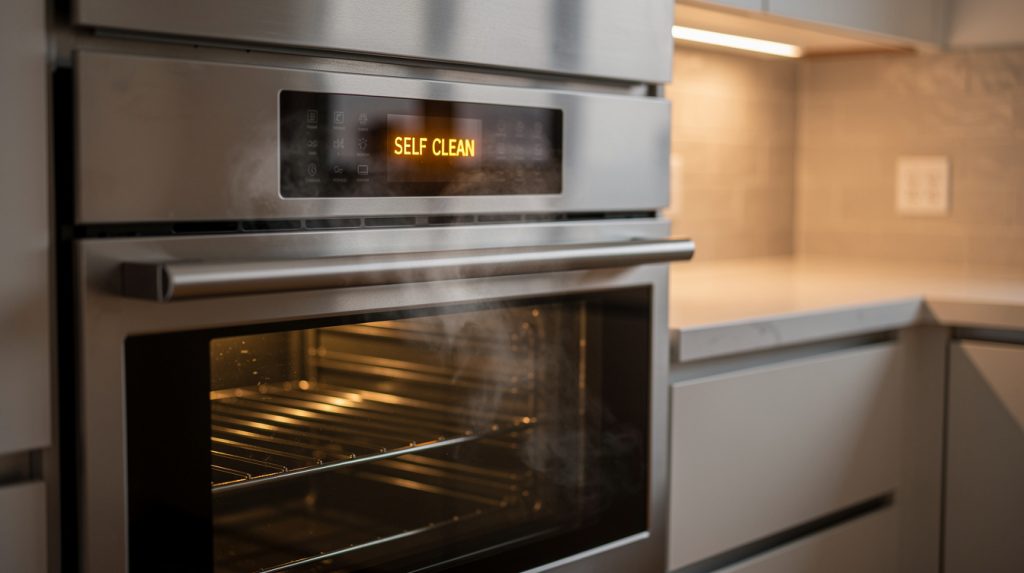
The self-clean cycle on your oven sounds like a dream feature — close the door, press a button, and hours later your oven is spotless. But for many homeowners, the reality is not so smooth. Self-clean cycles can produce intense smoke, unbearable odors, tripped breakers, blown fuses, locked doors that will not open, or even permanent damage to oven components. When things go wrong with a self-clean cycle, they can go really wrong.
Understanding what happens during self-cleaning, what can go wrong, and how to handle each scenario will save you from panic and potentially from an expensive oven repair.
What Actually Happens During Self-Cleaning
A self-clean cycle heats your oven to extreme temperatures — typically between 800 and 1,000 degrees Fahrenheit. At these temperatures, food residue, grease splatters, and baked-on spills are incinerated into a fine ash that you can simply wipe away once the oven cools. The door locks automatically before the cycle begins as a safety measure to prevent anyone from opening the oven during this extreme heat phase.
The cycle typically runs for two to four hours depending on the model and the level of cleaning selected. During this time, the oven door remains locked and the kitchen fills with warmth. Some amount of smoke and odor is normal, particularly if there is significant buildup inside the oven. However, excessive smoke, burning smells, or visible flames are not normal and require immediate attention.
Problem #1: Excessive Smoke and Burning Odor
The most common complaint during self-cleaning is excessive smoke billowing from the oven vent. This happens when there is a large amount of grease or food residue inside the oven — the sheer volume of material being incinerated produces more smoke than the oven’s ventilation system can handle. The smoke is not just unpleasant; it can trigger smoke detectors and temporarily fill your kitchen with a haze.
To prevent this, always wipe out large food spills and loose debris before running the self-clean cycle. The self-clean feature is designed to handle the thin film of baked-on residue — not a pool of grease or chunks of burnt casserole. Removing the worst of the buildup manually first significantly reduces smoke during the cycle. If you have significant oven buildup, consider deep cleaning your oven manually first and then using the self-clean cycle for maintenance afterward.
If your oven is already mid-cycle and producing too much smoke, open windows, turn on your kitchen exhaust fan, and let the cycle complete. Do not attempt to cancel the cycle and open the door while the oven is at extreme temperatures. If you see actual flames inside the oven (not just glowing embers from burning food), cancel the cycle if possible and call 911 if the situation escalates.
Problem #2: The Door Will Not Unlock After the Cycle
The oven door locks automatically at the beginning of the self-clean cycle and should unlock automatically once the oven cools to a safe temperature, usually around 500 to 600 degrees. The full cool-down can take several hours after the cleaning phase ends. Many homeowners expect the door to unlock immediately when the timer finishes, but the cycle timer and the door lock operate on different triggers — the timer measures the cleaning duration, while the lock responds to temperature.
If the door will not unlock even after the oven has fully cooled (give it at least two to three hours after the cycle ends), try these steps in order. First, verify the oven is truly cool by touching the door surface carefully. If it is room temperature and still locked, try canceling the self-clean mode by pressing the cancel or clear button. On some models, you need to press the self-clean button again to toggle the lock off. If that does not work, try resetting the oven by cutting power at the circuit breaker for five minutes and restoring it.
If the door remains locked after a power reset, the door lock mechanism or its motor has likely failed. The lock assembly is an electromechanical component that can burn out from the extreme heat of the self-clean cycle, especially if it was already weakened from age or previous cycles. This is a repair that requires professional service — forcing the door open risks damaging the latch, the hinge, or the door itself.
Problem #3: Blown Thermal Fuse or Tripped Breaker
The extreme heat of the self-clean cycle puts significant stress on the oven’s electrical components. If the oven overheats beyond its designed maximum — due to a faulty temperature sensor, a failed thermostat, or excessive insulation degradation — a thermal fuse will blow to prevent a fire. When this happens, the oven goes completely dead. No lights, no display, no response to any button press.
Similarly, the high power draw during self-cleaning can trip a circuit breaker, especially in older homes where the kitchen circuit may be shared with other appliances. Check your breaker panel first — if the oven’s breaker has tripped, reset it and see if the oven powers back on. If the breaker holds, the issue was likely a temporary power surge. If it trips again immediately, there may be an electrical fault in the oven that needs professional diagnosis.
If the breaker is fine but the oven is dead, a blown thermal fuse is the most likely cause. The thermal fuse is a safety device located near the oven control board or on the back wall of the oven cavity. Unlike a circuit breaker, a thermal fuse cannot be reset — it must be replaced. This is a common post-self-clean repair and is relatively inexpensive, but it requires opening the oven’s control panel, so most homeowners opt for professional service. Check for error codes on the display — some ovens display diagnostic information even with a blown thermal fuse if the control board still receives partial power.
Problem #4: The Oven Will Not Heat After Self-Cleaning
Perhaps the most alarming outcome — you run the self-clean cycle, everything seems to go fine, but when you try to use the oven for cooking afterward, it will not heat. This can be caused by a blown thermal fuse (as described above), a damaged heating element, or a fried control board. The extreme temperatures of self-cleaning accelerate wear on every component inside the oven cavity.
Heating elements are particularly vulnerable during self-cleaning. The bake element at the bottom of the oven may already have weak spots from years of normal use that are invisible at cooking temperatures. When subjected to self-clean temperatures, these weak spots can burn through, causing the element to fail. You can visually inspect the element — if you see a visible break, blister, or hole, it needs replacement.
Control board failure is less common but can happen if the self-clean cycle produces heat beyond what the board’s electronics are designed to withstand. If your oven will not turn on at all after self-cleaning, and it is not a blown fuse or tripped breaker, the control board may have failed.
Problem #5: Discoloration or Damage to the Oven Interior
Some homeowners notice that the oven interior looks different after a self-clean cycle. The enamel coating may appear discolored, bluish, or rough in spots. The oven racks may be discolored, stiff, or difficult to slide. These are cosmetic issues but they are worth understanding.
The porcelain enamel inside your oven is designed to withstand self-clean temperatures, but repeated cycles and aging can cause discoloration. This does not affect performance but may be visually unappealing. More practically, standard chrome-plated oven racks are not designed for self-clean temperatures. Leaving them in during the cycle can cause the chrome plating to discolor and lose its smooth surface, making racks hard to slide. Only leave racks in during self-cleaning if they are specifically labeled as self-clean safe (usually a matte gray finish rather than shiny chrome).
How to Use Self-Clean Safely
To minimize the chances of problems, follow these best practices every time you use the self-clean feature. Remove oven racks unless they are self-clean rated. Wipe out loose debris and large spills manually first. Remove any aluminum foil from the oven bottom — it can melt at self-clean temperatures and permanently damage the enamel. Make sure the kitchen is well-ventilated by opening windows and running the exhaust fan before starting the cycle.
Run the self-clean cycle when you will be home for its duration. Never leave the house or go to sleep during a self-clean cycle. While the risk of fire is low, having someone home means you can respond quickly if smoke becomes excessive, if you smell burning wiring, or if any other problem develops. Keep pets and people with respiratory sensitivities out of the kitchen during the cycle, as the fumes from burning food residue can be irritating.
Do not run self-clean more than a few times per year. Frequent self-cleaning cycles accelerate wear on every component — elements, sensors, gaskets, locks, and control boards. For routine oven maintenance between self-clean cycles, manual cleaning with baking soda paste and vinegar is gentler on the oven and produces excellent results. Our guide on deep cleaning your oven without chemicals covers this approach step by step.
Alternatives to Self-Cleaning
Given the potential risks, many appliance professionals recommend using the self-clean feature sparingly and relying on regular manual cleaning instead. A paste of baking soda and water applied to the oven interior overnight loosens most baked-on residue. In the morning, wipe it away with a damp cloth and spray any remaining spots with white vinegar. This method is gentle, produces no fumes, carries zero risk of component damage, and works remarkably well for regular maintenance.
Steam-clean cycles, available on many newer ovens, offer a gentler alternative to traditional self-cleaning. These cycles use water and lower temperatures (around 250 degrees) to soften grime rather than incinerating it. Steam cycles are faster, produce no smoke, and put far less stress on oven components. They are less effective on heavy buildup but excellent for regular maintenance.
When to Avoid Self-Cleaning Entirely
There are situations where you should skip the self-clean cycle altogether. If your oven is more than 10 years old and has never been self-cleaned, the sudden extreme heat can shock components that have aged gracefully at normal temperatures. If you have noticed your oven heating unevenly or displaying error codes, self-cleaning may push a struggling component over the edge. And if you recently noticed any signs of electrical issues — flickering display, intermittent heating, or unusual sounds — address those problems before subjecting the oven to self-clean temperatures.
If you are unsure whether your oven is healthy enough for a self-clean cycle, a quick inspection from a professional can give you peace of mind. For homeowners in Tampa, Wesley Chapel, Lutz, Land O’ Lakes, Dade City, Zephyrhills, Hudson, Shady Hills, and The Villages, SkyBreeze Appliance Repair can evaluate your oven’s condition and advise whether self-cleaning is safe for your specific model and situation.
Dealing With Self-Clean Damage
If your oven has already been damaged by a self-clean cycle — whether it is a blown fuse, a dead control board, a locked door, or a failed element — the repair process is usually straightforward. A qualified oven repair technician can diagnose the specific component that failed and replace it. Most post-self-clean repairs involve one or two parts and can be completed in a single service visit.
The key is not to delay. An oven that experienced a thermal event during self-cleaning should be professionally inspected even if it seems to be working afterward. Hidden damage to wiring insulation, gaskets, or the control board may not be immediately apparent but can create safety issues down the road. Getting a professional evaluation after a problematic self-clean cycle protects both your oven and your home. If the damage is extensive and the oven is older, your technician can help you weigh the cost of repair versus replacement.
Related Articles
- Oven Door Won’t Close? How to Fix It
- Oven Won’t Turn On? Simple Steps to Diagnose
- Oven Not Heating Evenly? Here’s the Fix
- How to Deep Clean Your Oven Without Chemicals
- Appliance Error Codes: The Ultimate Cheat Sheet