How to Deep Clean Your Oven Without Using Harsh Chemicals
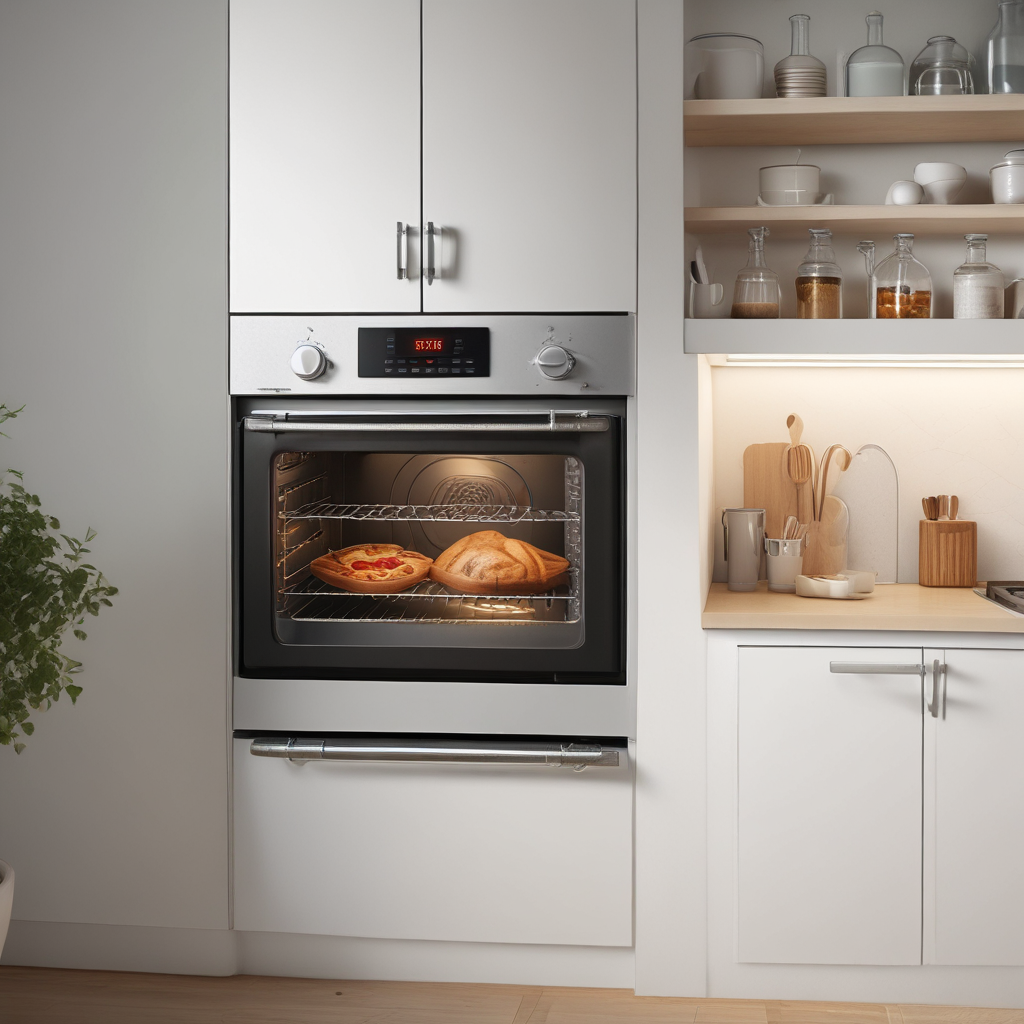
A dirty oven is not just unsightly — baked-on grease and food residue can smoke during cooking, affect the taste of your food, and even become a fire hazard if left long enough. But many commercial oven cleaners contain harsh chemicals that produce strong fumes, require ventilation, and can irritate skin and lungs. The good news is that you can get your oven sparkling clean using simple, natural ingredients you probably already have in your kitchen.
What You Will Need
The star of natural oven cleaning is baking soda. Combined with white vinegar, dish soap, and a little patience, it tackles even the toughest baked-on messes without any harsh chemicals or toxic fumes. Here is your supply list: a box of baking soda, white vinegar in a spray bottle, a few drops of dish soap, warm water, rubber gloves, a spray bottle, old towels or rags, a plastic or silicone spatula (not metal, which can scratch), and a non-abrasive scrub sponge.
Step 1: Remove the Oven Racks
Take out all oven racks, thermometers, pizza stones, and anything else inside the oven. The racks will be cleaned separately. Give the inside of the oven a quick wipe with a damp cloth to remove any loose debris and crumbs. This makes the deep cleaning paste more effective since it can work directly on the baked-on residue rather than surface-level grime.
Step 2: Make the Baking Soda Paste
In a bowl, mix half a cup of baking soda with three tablespoons of water. Stir until you get a spreadable paste. Adjust the ratio as needed — you want it thick enough to cling to vertical surfaces without dripping, but thin enough to spread easily. Add a few drops of dish soap for extra grease-cutting power if your oven has heavy grease buildup.
Step 3: Apply the Paste to the Oven Interior
Put on your rubber gloves and spread the baking soda paste over every interior surface of the oven, avoiding the heating elements. Focus extra paste on the most heavily soiled areas — typically the bottom of the oven and the door glass. The paste will turn brown as it contacts grease and grime, which is completely normal.
Cover the entire interior as evenly as possible. Do not skip the sides or the ceiling of the oven — grease splatter reaches everywhere during cooking. If you have particularly stubborn spots, apply a thicker layer of paste to those areas.
Step 4: Let It Sit Overnight
This is the most important step and the one that requires the most patience. Close the oven door and leave the baking soda paste in place for at least 12 hours, or ideally overnight. During this time, the baking soda works to break down and loosen baked-on grease and food residue. The longer it sits, the easier the scrubbing will be.
If you cannot wait overnight, a minimum of four hours will still deliver decent results, but you will likely need more elbow grease during the scrubbing phase.
Step 5: Clean the Oven Racks
While the paste is working inside the oven, tackle the racks. Fill your bathtub or a large bin with hot water and add half a cup of baking soda and a few squirts of dish soap. Submerge the racks and let them soak for at least four hours (overnight is ideal). After soaking, scrub with a non-abrasive pad — the baked-on grime should come off with minimal effort. Rinse thoroughly and set aside to dry.
An alternative method is to lay the racks on old towels in the bathtub, sprinkle generously with baking soda, then spray with vinegar. The fizzing action helps loosen grime. Let it sit for a few hours, then scrub and rinse.
Step 6: Wipe Out the Baking Soda
After the paste has sat overnight, use a damp cloth or sponge to wipe out as much of the baking soda and dissolved grease as possible. Use the plastic spatula to gently scrape off stubborn patches. You will likely need to rinse your cloth or sponge frequently as you work — the first pass removes the bulk of the paste, and subsequent passes get the remainder.
Do not worry about getting every last trace of baking soda at this point — the next step takes care of that.
Step 7: Spray with Vinegar
Fill a spray bottle with undiluted white vinegar and spray the entire interior of the oven. The vinegar reacts with any remaining baking soda, creating a gentle fizzing action that loosens the last bits of residue and makes them easy to wipe away. It also neutralizes the baking soda so you do not get a white powdery residue when the oven heats up.
Continue spraying and wiping until the interior is clean and free of paste residue. For any spots that stubbornly resist, apply a fresh dab of baking soda paste, spray with vinegar, let it fizz for 15 minutes, then wipe clean.
Step 8: Clean the Oven Door Glass
The oven door glass deserves special attention because it is the most visible part and often has the most built-up grease. Make a fresh batch of baking soda paste and apply it to the inside of the glass door. Let it sit for 30 minutes (or longer for heavy buildup), then wipe clean with a damp cloth. Follow up with a vinegar spray for a streak-free finish.
Many oven doors have a double or triple layer of glass with gaps between the panels where grease and moisture can accumulate. Cleaning between the glass panels requires removing the door or accessing the space between panels — refer to your model’s manual for instructions if the area between the glass is visibly dirty.
Step 9: Reassemble and Do a Final Burn-Off
Replace the clean racks in the oven. Turn the oven on to 300 degrees Fahrenheit for 15 to 20 minutes to burn off any remaining moisture and trace amounts of baking soda. This also helps you verify that everything is working properly after cleaning. Your oven should now be clean, fresh, and free of chemical residue.
How Often Should You Clean Your Oven?
A thorough deep clean every three to four months keeps your oven in great condition. Between deep cleans, wipe up spills as soon as the oven cools after each use — this prevents residue from baking on and makes deep cleaning much easier. A quick weekly wipe of the door glass with a damp cloth keeps it looking good between major cleanings.
A Note About Self-Cleaning Cycles
Most modern ovens have a self-cleaning cycle that heats the oven to extremely high temperatures (around 900 degrees Fahrenheit) to incinerate food residue. While convenient, self-cleaning cycles stress the oven’s internal components — the door lock mechanism, thermal fuse, heating elements, and control board are all subjected to extreme heat. Using the self-clean feature too frequently can actually cause these components to fail. We recommend limiting self-clean to two or three times per year and using the natural baking soda method for regular maintenance. If your oven runs into issues after a self-clean, check our guide on troubleshooting an oven that will not turn on.
Need Oven Help?
If your oven has issues beyond cleanliness — uneven heating, elements that do not work, door problems, or error codes — the team at SkyBreeze Appliance Repair is here to help. We service all major oven brands throughout Tampa, Wesley Chapel, Lutz, Land O’ Lakes, Dade City, Zephyrhills, and surrounding Florida communities. Keep your oven clean and well-maintained, and it will reward you with years of reliable, delicious results.