Why Is My Oven Not Heating Evenly? Causes and Fixes
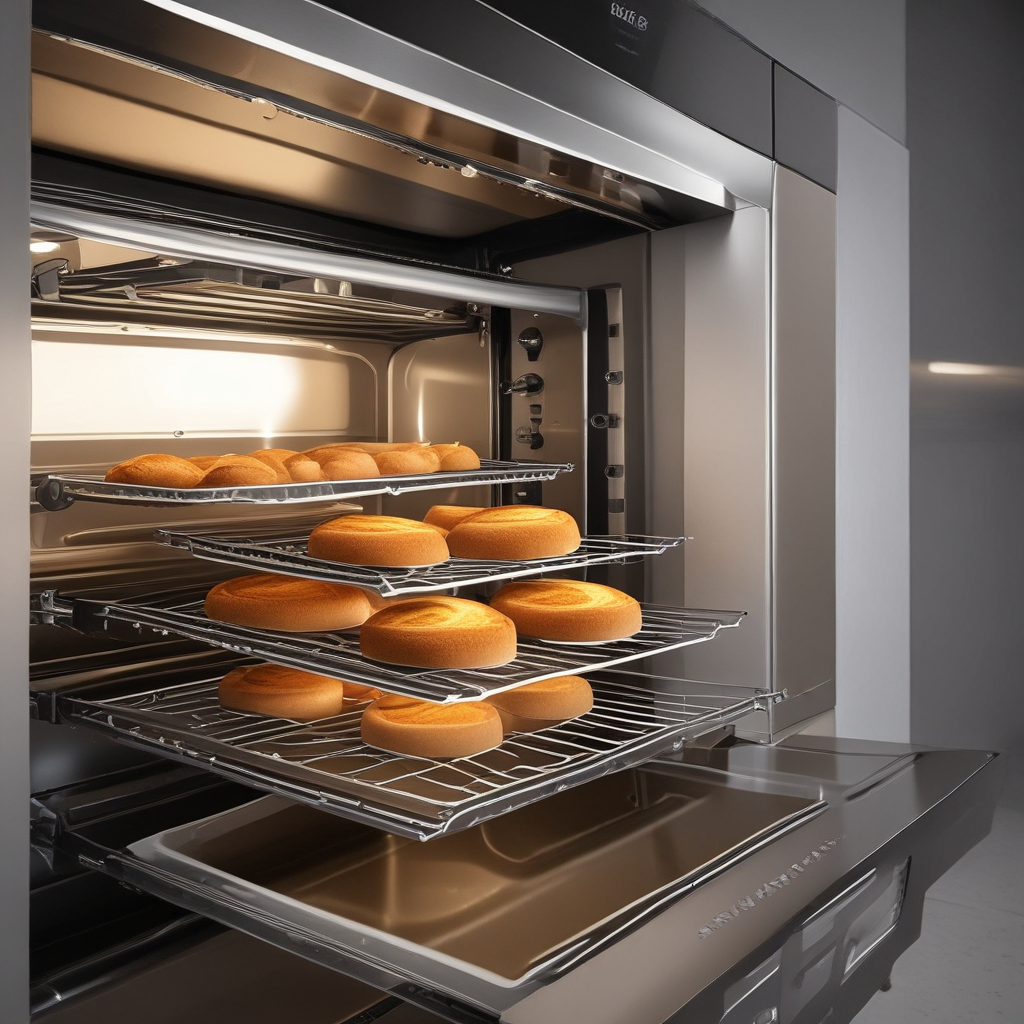
You slide a pan of cookies into the oven, set the timer, and come back to find half of them golden brown and the other half pale and underdone. Or maybe your casserole is bubbling furiously on one side while barely warm on the other. Uneven oven heating is a frustrating problem that can ruin meals and make baking feel like a lottery. If this sounds like your kitchen situation, you’re in the right place.
Across Tampa, Wesley Chapel, Lutz, and The Villages, uneven oven cooking is one of the most common service calls we receive. The good news: there are usually clear, fixable reasons why this happens. Let’s work through them.
Why Even Heating Matters More Than You Think
A properly functioning oven should maintain a consistent temperature throughout the entire cooking cavity. When it doesn’t, you end up with unpredictable results — food that’s overcooked in one spot and undercooked in another, baked goods that don’t rise properly, and dishes where the center and edges cook at different rates.
Beyond the inconvenience, uneven heating can also signal a developing mechanical problem. Catching it early can save you from a more expensive repair down the road.
Common Causes of Uneven Oven Heating
1. A Faulty Bake Element
In electric ovens, the bake element is a coil at the bottom of the oven cavity that heats up when you start baking. If this element develops a break or a weak spot, it may still glow red and produce some heat — but not evenly along its full length. This is one of the most common causes of hot spots and cold zones in electric ovens.
To check the bake element, turn on your oven and watch the element as it heats up. It should glow evenly along its entire length. If you see a section that stays dark or looks noticeably different, the element has likely failed. You might also see visible breaks, blistering, or burn marks.
Replacing a bake element is a DIY-friendly repair for handy homeowners. The part is typically inexpensive, and the job involves removing a few screws and disconnecting the electrical connectors. That said, always unplug or shut off power to the oven before working on it.
2. A Failing Broil Element
The broil element sits at the top of the oven. Even during regular baking, some ovens cycle the broil element on briefly to help maintain temperature — especially during the preheating phase. If the broil element isn’t working correctly, the top of your oven may stay cooler than it should, leading to uneven results.
Inspect the broil element the same way you would the bake element: watch it during preheating and look for uneven glowing or visible damage.
3. Miscalibrated Oven Temperature
Your oven might think it’s at 350°F when it’s actually running at 320°F or 370°F. This calibration drift is extremely common — especially in older ovens or those that have experienced power fluctuations, which happen more often in some parts of Florida during storm season.
Here’s how to test your oven’s calibration: buy an oven thermometer (they cost just a few dollars) and place it in the center of the oven. Preheat to 350°F, wait 20 minutes, and check the thermometer reading. If it’s off by more than 25°F, your oven needs recalibration.
Many modern ovens allow you to manually recalibrate the thermostat through the settings menu. Check your owner’s manual for instructions. On older ovens, recalibration may require adjusting the thermostat dial itself or replacing the temperature sensor.
4. A Faulty Temperature Sensor
Electric ovens use a temperature sensor (sometimes called a probe or RTD sensor) to measure the interior temperature and communicate with the control board. When this sensor fails or gives incorrect readings, the oven can’t regulate temperature properly — leading to swings that cause uneven cooking.
A failing temperature sensor often causes the oven to run hotter or cooler than set, and the problem may vary day to day. If your oven thermometer consistently shows the wrong temperature even after recalibration, a faulty sensor is likely the cause. Testing it requires a multimeter and knowledge of the expected resistance values for your oven model.
5. Poor Convection Fan Performance
If your oven has a convection setting (with a fan that circulates hot air), a failing convection fan can cause severely uneven cooking. The whole point of convection is to eliminate hot spots by moving air around. When the fan motor weakens or the fan blade gets obstructed, air circulation suffers and hot spots return.
If you have a convection oven and notice uneven heating, try switching to the conventional bake setting (no fan) and see if the problem persists. If the oven bakes more evenly without convection, the fan or motor needs attention.
6. Damaged or Warped Oven Racks
This one is easy to overlook. If your oven racks are warped, bent, or positioned incorrectly, your pans won’t sit level — which means heat exposure across the pan won’t be even. This doesn’t cause the oven to malfunction, but it can create results that look like an uneven-heating problem.
Check your racks by removing them and laying them on a flat surface. If they rock or look visibly warped, it’s time for replacements. Also make sure you’re using the right rack position for what you’re cooking — most baking should be done on the center rack.
DIY Fixes You Can Try Right Now
Before calling a repair technician, here are some things you can try yourself:
- Rotate your pans halfway through cooking. This is the classic workaround for uneven ovens. It won’t fix the problem, but it minimizes the impact.
- Use an oven thermometer. Pinpoint exactly what temperature your oven is running and compare it to the set temperature.
- Check the bake and broil elements visually. Look for breaks, blistering, or uneven glowing during preheating.
- Try recalibrating through the settings menu. Many modern ovens allow you to offset the temperature by up to ±35°F.
- Clean the oven thoroughly. Heavy grease buildup can affect heat distribution. Our guide on deep cleaning your oven without harsh chemicals is a great place to start.
When Uneven Cooking Points to a Bigger Problem
If you’ve tried the above steps and nothing has improved, the issue likely lies with a component that needs professional testing — the temperature sensor, control board, or in convection ovens, the fan motor. Attempting to replace these without the right knowledge or tools can lead to incorrect installation or safety hazards.
Also pay attention to whether the problem gets worse over time. A bake element that’s partially failing often deteriorates gradually until it stops working altogether. Similarly, a weakening temperature sensor may cause increasingly erratic oven behavior. At that point, weighing repair vs. replacement becomes a worthwhile conversation.
Related Oven Issues Worth Knowing About
Uneven heating sometimes accompanies other symptoms, like the oven not turning on at all or the oven light not working. These can be separate issues, or they may share a root cause — for example, a faulty control board can affect multiple systems at once. If you notice several things going wrong with your oven at the same time, mention all of them when you call for service.
Preventing Uneven Heating in the Future
Regular maintenance extends your oven’s life and helps it heat more consistently. Here are some habits worth building:
- Clean up spills and grease promptly to avoid buildup that affects heat distribution.
- Avoid using the self-clean cycle too frequently — it runs the oven at extremely high temperatures and puts stress on the components.
- Let the oven fully preheat before putting food in (at least 15–20 minutes for baking).
- Check the oven door seal annually and replace it if it feels brittle or shows gaps.
- Use an oven thermometer periodically to verify accurate temperature.
When to Call a Professional in the Tampa Bay Area
If you’re in Tampa, Shady Hills, Hudson, Dade City, or anywhere else in our service area and your oven still isn’t cooking evenly after basic troubleshooting, the team at SkyBreeze Appliance Repair is ready to help. We diagnose and repair electric ovens of all major brands — Whirlpool, GE, Samsung, LG, Frigidaire, Bosch, and more.
Our technicians bring the most commonly needed replacement parts with them on every job, which means faster turnaround and fewer follow-up visits. Give us a call and we’ll get your oven cooking evenly again.
Brand-Specific Oven Heating Patterns
Certain oven brands and designs are more prone to specific types of uneven heating. Knowing your brand can help you narrow down the likely cause:
Electric Slide-In and Freestanding Ranges
In most electric ovens from brands like GE, Whirlpool, and Frigidaire, the bake element failure is by far the most common cause of hot spots. Watch the element during preheating — it should glow bright red uniformly. A dark section means partial failure. The element is typically one of the cheaper repairs on an electric oven.
Samsung and LG Ovens
Samsung and LG wall ovens and ranges are known for having sensitive temperature probes and complex control boards. If you’ve recalibrated the oven through the settings menu and it’s still running inconsistently, the probe or board may need professional testing. Diagnostic error codes can often point you in the right direction — our appliance error code guide covers the most common oven codes for these brands.
Bosch and KitchenAid Convection Ovens
Premium convection ovens from Bosch and KitchenAid are designed for even heat distribution, which makes uneven heating all the more noticeable when it occurs. The most common culprit in these models is a failing convection fan motor. If your Bosch or KitchenAid oven heats unevenly on convection but more evenly on conventional baking, the fan motor is the primary suspect.
How Florida’s Climate Affects Oven Performance
While ovens don’t interact with the outside environment the way refrigerators or air conditioners do, Florida’s climate does matter in a few ways. Power fluctuations during storm season — common in areas like Hudson, Shady Hills, and parts of Dade City — can affect sensitive electronic components like oven control boards and temperature sensors. A surge protector on your oven’s circuit can help protect these components.
Additionally, Florida kitchens tend to be warmer than kitchens in cooler climates, which doesn’t directly affect oven heating but does mean that the oven’s preheating cycle may feel slightly longer and that cooling down after baking takes more time. These are normal variations, not signs of a problem.
Cooking Strategies While You Troubleshoot
If you can’t get your oven serviced immediately, here are ways to manage uneven heating in the meantime:
- Use an oven thermometer and set the dial higher or lower to compensate for calibration drift
- Rotate pans halfway through cooking — 180 degrees for most items, more often for delicate pastries
- Avoid the back corner hotspot — in ovens with a single failing element, the back sections often heat less evenly than the front
- Use convection if available — if only the bake element is failing, the broil element and convection fan may still provide more even heat
- Add insulation with a baking stone — a ceramic baking stone or cast iron on the lower rack acts as a heat buffer, absorbing and re-radiating heat more evenly than a bare rack
What a Professional Oven Tune-Up Covers
If you’re scheduling a service visit for an uneven-heating oven, a thorough technician will typically check: the bake element resistance, the broil element resistance, the temperature sensor’s resistance value at room temperature, the calibration of the thermostat against an independent thermometer, and the convection fan motor if applicable. For ovens with digital controls, they’ll also check for stored error codes and test the control board’s temperature regulation logic. This comprehensive approach quickly narrows down the root cause.
Summary
Uneven oven heating is almost always caused by one of these issues: a faulty bake or broil element, a miscalibrated thermostat, a failing temperature sensor, a convection fan problem, or warped oven racks. Start with the easy diagnostics — visual inspection, oven thermometer, and recalibration — and escalate to professional service if those don’t resolve it. Your meals deserve consistency, and your oven should deliver it.