Dryer Smells Like It’s Burning? What That Smell Means and What to Do
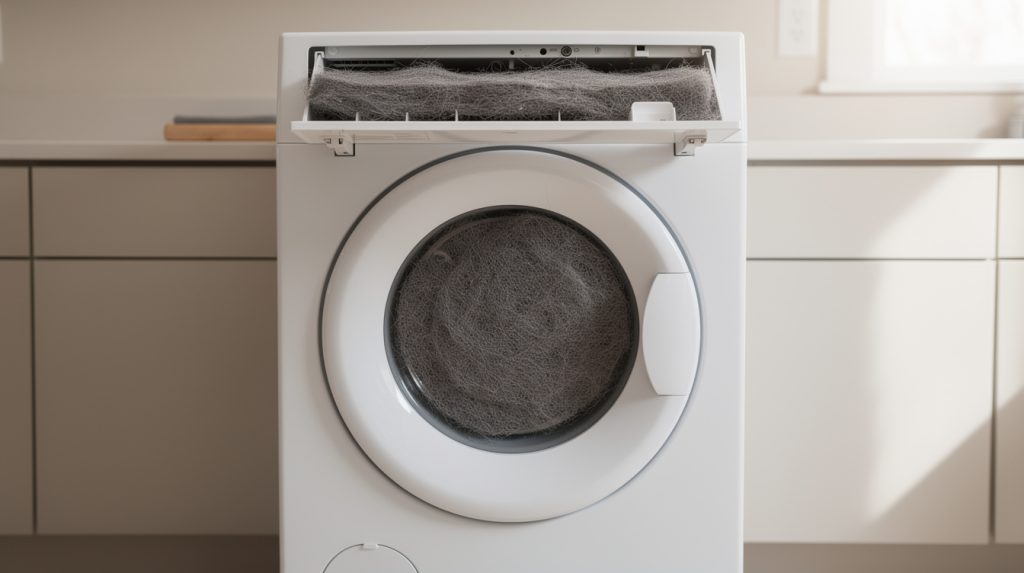
Few household smells get your attention faster than something burning — especially when it’s coming from the laundry room. If you’ve opened the dryer door and been hit with a hot, scorched odor, or noticed a burning smell drifting through the house mid-cycle, stop the machine. Seriously: if you’re smelling it right now, pause the cycle, and let’s figure out what’s going on before you run another load.
A burning smell from an electric dryer is never something to shrug off. The encouraging news is that the most common causes are mechanical and fixable, and a couple of them you can rule out yourself in the next half hour. Here’s what that smell usually means, ranked from most to least common — and how to tell the harmless-ish causes from the genuinely dangerous ones.
First: Is It a New Dryer?
One quick exception before the troubleshooting begins. A brand-new dryer often gives off a faint hot or oily smell during its first two or three cycles. That’s manufacturing residue and protective coatings burning off the heating element, and it’s normal — run an empty cycle or two with the laundry room window open and it should disappear. If the smell persists past the first few uses, or if your dryer isn’t new, keep reading.
The 6 Most Common Causes of a Burning Smell
1. Lint Buildup Near the Heating Element (The Dangerous One)
Let’s start with the cause that matters most, because it’s both the most common and the most hazardous. Lint is extraordinarily flammable — it’s essentially shredded cotton fluff — and it doesn’t just collect in the lint screen. Over months and years, lint slips past the screen and accumulates inside the dryer cabinet, in the blower housing, and around the heating element itself. When a clump of lint settles on or near a glowing element, it scorches. That’s the classic burning smell.
This is the early-warning stage of how dryer fires start, and it’s why fire departments respond to thousands of dryer fires every year. If your dryer smells like something is burning and you can’t remember the last time the interior cabinet was cleaned out — not just the lint screen, the inside of the machine — treat it as urgent. Unplug the dryer until it’s been inspected and cleaned. We’ve covered the fire-prevention side of this in depth in our guide to maintaining your dryer to prevent fire hazards.
2. A Clogged or Restricted Vent Duct
Closely related, and almost as common: the exhaust duct that carries hot, moist air from the dryer to the outside of your house. When that duct is choked with lint — or crushed flat behind the machine, or kinked, or blocked at the exterior flap by a bird’s nest — hot air has nowhere to go. Temperatures inside the dryer climb well beyond design limits, fabrics overheat, and you get a hot, scorched smell along with clothes that come out hotter than usual and a dryer that takes forever to finish.
Two related symptoms worth checking: does the top of the dryer feel hot to the touch during a cycle? Is the outside vent flap barely fluttering when the dryer runs? Both point to restricted airflow. Our articles on hot dryer vent warning signs and why dryers take too long to dry walk through the full diagnosis. Vent cleaning is the single highest-value piece of dryer maintenance there is.
3. A Slipping or Worn Drive Belt
The drive belt is a long rubber loop that wraps around the entire drum and connects to the motor pulley. When it ages, frays, or starts slipping, the friction creates a distinctive burning rubber smell — different from the scorched-cotton smell of burning lint. You might also hear thumping as the frayed section passes over the pulleys, or notice the drum hesitating when it starts.
A belt on its way out will eventually snap, leaving you with a motor that runs but a drum that doesn’t turn. If the smell is rubbery and the dryer sounds different lately, the belt and its companion parts (idler pulley, drum rollers) are prime suspects. This is a moderate-difficulty repair — the cabinet has to come apart — and it pairs naturally with an interior lint cleaning, since the technician is already in there.
4. A Seized Idler Pulley or Drum Rollers
The idler pulley keeps tension on the drive belt, and the drum rollers support the spinning drum. Both contain small bearings that dry out and seize with age. A seized pulley forces the belt to drag across it — burning rubber smell again — while failing rollers add a rhythmic squeak or rumble. If you’ve read our piece on dryer squeaking and noise, these are the same parts; the burning smell just means the problem has progressed further. Stop using the dryer at this stage, because a fully seized pulley can shred a belt in a single cycle.
5. The Motor Overheating
An electric dryer’s motor drives both the drum and the blower fan. When the motor’s bearings wear out, or when lint and debris choke its cooling, the motor overheats and gives off a hot electrical smell — sharper and more acrid than burning lint, often described as a “hot wires” or ozone smell. Motors usually have a thermal cutoff that shuts the dryer down mid-cycle when this happens; if your dryer stops on its own and won’t restart until it cools, the motor is telling you something.
Motor replacement is a significant repair, typically $250–$400 with labor, so this is a spot where age matters: on a dryer past 12 years old, weigh it against replacement using our repair vs. replace cost guide.
6. Something Melting in the Drum (The Embarrassing One)
Before assuming catastrophe, check the drum and the lint screen area for the simple stuff: a crayon that went through with the kids’ laundry, a rubber-backed bath mat that shouldn’t have gone in the dryer, a plastic toy, a forgotten lip balm, or a sock melted against the lint screen housing. Plastic and rubber items pressed against hot metal produce a powerful chemical burning smell that can linger for several loads. Run your hand around the drum interior (when cool) feeling for melted residue, and check the back of the drum where items can fuse to the surface.
How to Respond, Step by Step
- Step 1: Stop the cycle and unplug the dryer. Don’t run it again until you’ve identified the source.
- Step 2: Check the drum for melted plastic, rubber, or crayon residue. Easy to rule out.
- Step 3: Pull the lint screen and look down into its housing with a flashlight. Heavy lint below the screen means the cabinet needs cleaning.
- Step 4: Pull the dryer out and inspect the vent duct — crushed, kinked, or packed with lint? Check the exterior flap for blockages too.
- Step 5: Identify the smell type: scorched cotton = lint near the element; burning rubber = belt or pulley; acrid electrical = motor or wiring.
- Step 6: If it’s anything other than a melted item in the drum or a vent you can clean yourself, get a professional inspection before the next load.
Why Florida Dryers Are Especially Vulnerable
Homes across Tampa, Wesley Chapel, Lutz, and The Villages run their dryers year-round in humid conditions, and humid lint is sticky lint — it mats inside ducts more aggressively than in dry climates. Add the long duct runs common in single-story Florida homes (where the laundry room can be a long way from an exterior wall) and vent restrictions develop faster than most homeowners expect. If you can’t remember your last vent cleaning, put it at the top of the summer to-do list — June’s heat only makes an overworked dryer work harder.
The Smells-to-Causes Cheat Sheet
- Scorched cotton / campfire smell: lint contacting the heating element — urgent, stop using the dryer
- Burning rubber: drive belt, idler pulley, or drum rollers — stop and repair soon
- Acrid electrical / ozone: motor or wiring — unplug and call a professional
- Chemical / plastic: melted item in the drum — find and remove it, air out the drum
- Faint oily smell on a new dryer: normal break-in, gone within 2–3 cycles
Don’t Gamble With This One
Most appliance problems cost you convenience. This one can cost you a house. If the burning smell doesn’t have an obvious, harmless explanation, have it professionally inspected — the fix is usually a thorough internal cleaning plus an inexpensive part, and the peace of mind is worth far more than the service call. The technicians at SkyBreeze Appliance Repair handle dryer diagnostics, internal lint cleanouts, and belt and motor repairs across Tampa, Wesley Chapel, Lutz, Land O’ Lakes, Shady Hills, Hudson, Dade City, Zephyrhills, and The Villages — and we’ll tell you honestly whether your dryer needs a $30 part or a deeper repair.
Trust your nose. It caught the problem early — now finish the job and get that dryer back to safe.