The Ultimate Guide to Fixing a Leaky Dishwasher in 7 Easy Steps
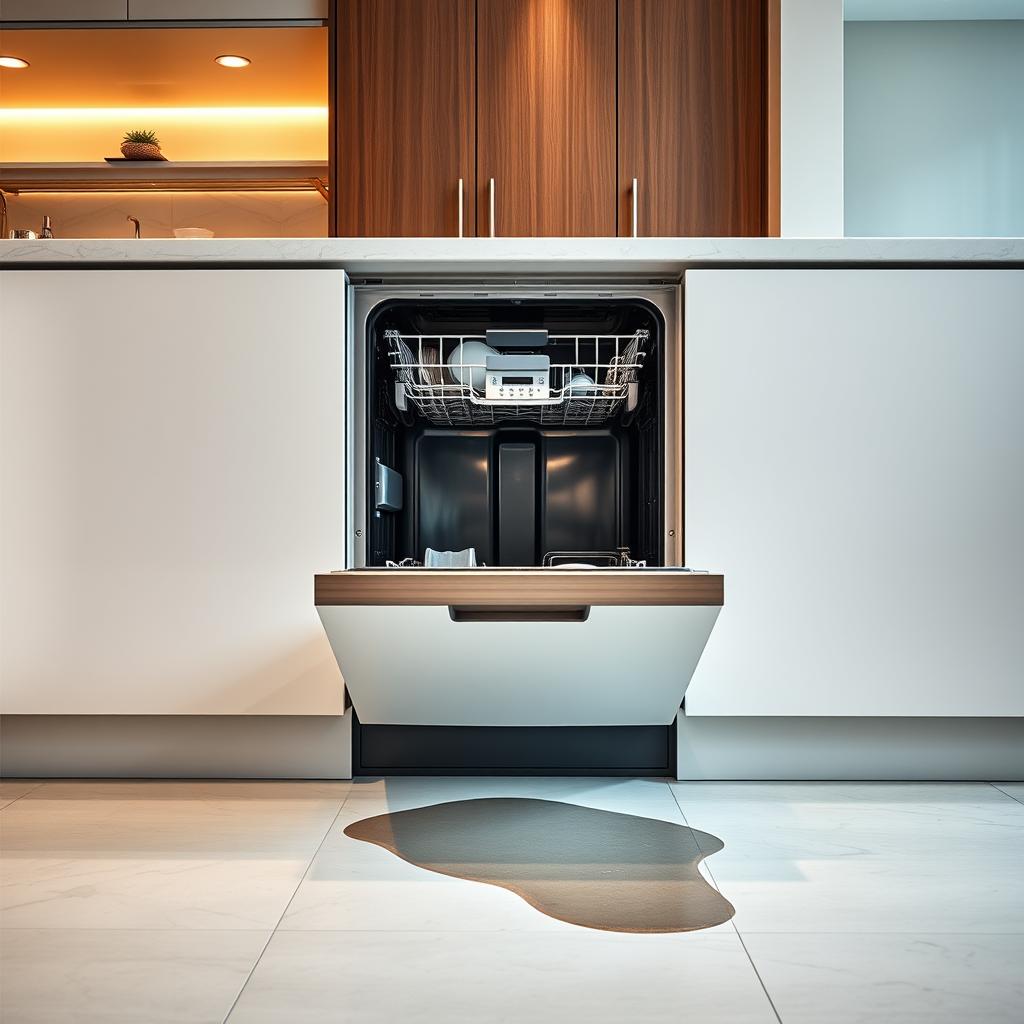
Is your dishwasher leaving puddles of water on your kitchen floor? A leaky dishwasher can be frustrating and potentially damaging to your home. The good news is that many dishwasher leaks can be identified and fixed without calling a professional—though sometimes that’s the safest route. In this comprehensive guide, we’ll walk you through 7 easy steps to pinpoint the source of your leak and get your dishwasher running smoothly again.
Whether you’re in Tampa, Wesley Chapel, Lutz, Land O’ Lakes, Shady Hills, Hudson, Dade City, Zephyrhills, or The Villages, dealing with water damage from a leaky appliance is a concern. Let’s get started.
Safety First: Water Damage Prevention Tips
Before you begin investigating your leaky dishwasher, it’s critical to take steps to prevent water damage to your kitchen and home. Here are some essential safety measures:
- Turn off the dishwasher immediately and don’t run another cycle until the leak is repaired.
- Place towels or a water bucket beneath the leak to contain water and prevent floor damage.
- Check your kitchen floor and surrounding areas for standing water, which can lead to mold growth.
- If water is spreading rapidly or you notice extensive damage, shut off the water supply to your dishwasher.
- Ensure your kitchen is well-ventilated to prevent moisture buildup.
Step 1: Identify the Source of the Leak
The first step in fixing your leaky dishwasher is determining where the water is coming from. Is the leak coming from the front of the door, underneath the unit, or from the sides? Is water pooling inside the tub or on the floor beneath the dishwasher?
Run a short cycle and carefully observe where the water escapes. You might need to place a white towel near suspected areas to make the water more visible. Taking time to identify the leak source will help you know which component to inspect next. Different leak locations point to different problems—a front leak suggests a door gasket issue, while a bottom leak might indicate problems with the drain hose or pump.
Step 2: Check the Door Gasket (Seal)
The door gasket is the rubber seal that prevents water from leaking out the front of the dishwasher. Over time, this seal can wear down, crack, or become dirty, allowing water to escape. A compromised door gasket is one of the most common reasons for dishwasher leaks.
To check your door gasket:
- Open the dishwasher door completely.
- Inspect the rubber seal around the door opening for visible cracks, tears, or hardening.
- Look for debris, food particles, or detergent buildup that might prevent a tight seal.
- Clean the gasket with a damp cloth and mild soap. Sometimes a thorough cleaning is all you need!
- Check that the door closes firmly. If it doesn’t, the hinges may need adjustment.
If the gasket is cracked or deteriorated, it will need to be replaced. This is a relatively inexpensive and straightforward fix that can prevent major water damage.
Step 3: Inspect the Spray Arms
Spray arms are responsible for distributing water throughout your dishwasher during the wash cycle. If these arms are cracked, bent, or clogged, they can cause water to spray in unintended directions, leading to leaks.
Here’s how to inspect your spray arms:
- Remove the racks from your dishwasher.
- Locate the spray arms—typically one at the bottom and one underneath the upper rack.
- Check for visible cracks or damage.
- Look for clogs in the spray arm holes. Use a small wire or toothpick to clear any blockages.
- Ensure the arms spin freely when you rotate them by hand.
If a spray arm is cracked or damaged, it needs replacement. If it’s just clogged, cleaning the holes can often solve the problem and improve your dishwasher’s cleaning performance.
Step 4: Examine the Water Inlet Valve
The water inlet valve controls the flow of water into your dishwasher. If this valve is faulty, cracked, or stuck open, it can allow water to leak into the tub excessively or cause water to escape during the cycle.
To check the inlet valve:
- Locate the water inlet valve—it’s usually at the bottom front of the dishwasher, where the water line connects.
- Shut off the water supply to your dishwasher before attempting any inspection.
- Look for cracks in the valve housing or leaking at the connection points.
- Check the inlet valve screen for debris that might prevent proper closure.
If the inlet valve is damaged, it typically cannot be repaired and must be replaced. This is a more complex repair that might benefit from professional assistance.
Step 5: Check the Drain Hose
The drain hose carries waste water out of your dishwasher and into your home’s drainage system. A kinked, cracked, or improperly positioned drain hose can cause water to leak inside or outside the dishwasher.
To inspect the drain hose:
- Locate the drain hose, which is usually at the bottom rear of the dishwasher.
- Unplug the dishwasher before inspecting.
- Check for kinks or bends that might restrict water flow.
- Look for cracks or splits in the hose material.
- Ensure the hose is properly connected at both the dishwasher and sink drain outlets.
A kinked hose can sometimes be straightened, but a cracked hose needs replacement. Make sure the hose isn’t positioned in a way that traps water or prevents proper drainage.
Step 6: Inspect the Tub and Pump Assembly
The tub of your dishwasher can develop small cracks or leaks over time, especially if the appliance is older. The pump assembly, which moves water during the wash and drain cycles, can also malfunction and cause leaks.
To check the tub and pump:
- Empty the dishwasher completely.
- Look at the interior tub for visible cracks or damage.
- Run a short cycle and listen for unusual noises from the pump—grinding or rattling sounds indicate trouble.
- Check beneath the tub (if you can access it) for water seepage.
If the tub is cracked, repair kits are available for small leaks, but extensive damage typically requires professional repair or replacement. Pump problems usually require professional diagnosis and repair.
Step 7: Test the Float Switch
The float switch is a safety device that prevents your dishwasher from overfilling with water. If this switch is stuck or malfunctioning, it can allow water to accumulate excessively, leading to overflow and leaks.
To test the float switch:
- Locate the float switch, typically found at the bottom of the dishwasher tub.
- Lift the float ball or cup gently to ensure it moves freely up and down.
- Check for debris or buildup that might prevent movement.
- Clean around the float assembly if needed.
If the float switch is stuck or damaged, it needs replacement. A malfunctioning float switch is a serious issue that can lead to water damage, so address this promptly.
When Should You Call a Professional?
While many dishwasher leaks can be fixed with simple DIY solutions, some situations require professional expertise. If you’ve gone through all 7 steps and the leak persists, it’s time to call in the experts. Additionally, if you’re dealing with more complex issues like faulty inlet valves, pump problems, or tub damage, professional repair is the safest and most cost-effective option.
Not sure what those error codes on your dishwasher mean? Check out our Appliance Error Codes guide for helpful reference information. You might also want to read up on
Dishwasher Drying Tricks to ensure your dishes dry properly once your leak is fixed.
Professional Dishwasher Repair in Your Area
If you’re in Tampa, Wesley Chapel, Lutz, Land O’ Lakes, Shady Hills, Hudson, Dade City, Zephyrhills, or The Villages, and you’ve identified the source of your leak but aren’t confident in tackling the repair yourself, SkyBreeze Appliance Repair is here to help. Our experienced technicians can diagnose and fix any dishwasher problem quickly and professionally. Don’t let a leaky dishwasher damage your home—reach out to us today for reliable appliance repair services.
Conclusion
A leaky dishwasher doesn’t have to be a disaster. By following these 7 easy steps, you can identify the source of the leak and determine whether it’s a simple fix or a job for the professionals. Whether it’s a dirty door gasket, clogged spray arms, or a more serious component failure, knowing how to troubleshoot your dishwasher puts you in control of the situation.
Remember to prioritize water damage prevention while you’re investigating the issue. If at any point you’re unsure about the repair or feel uncomfortable working with your appliance, don’t hesitate to contact a professional. Your home and peace of mind are worth it.
Have you successfully fixed a dishwasher leak? Share your experience in the comments below, or reach out to SkyBreeze Appliance Repair with any questions about appliance maintenance and repair.