Why Your Washing Machine Won’t Spin: 6 Common Causes and Quick Fixes
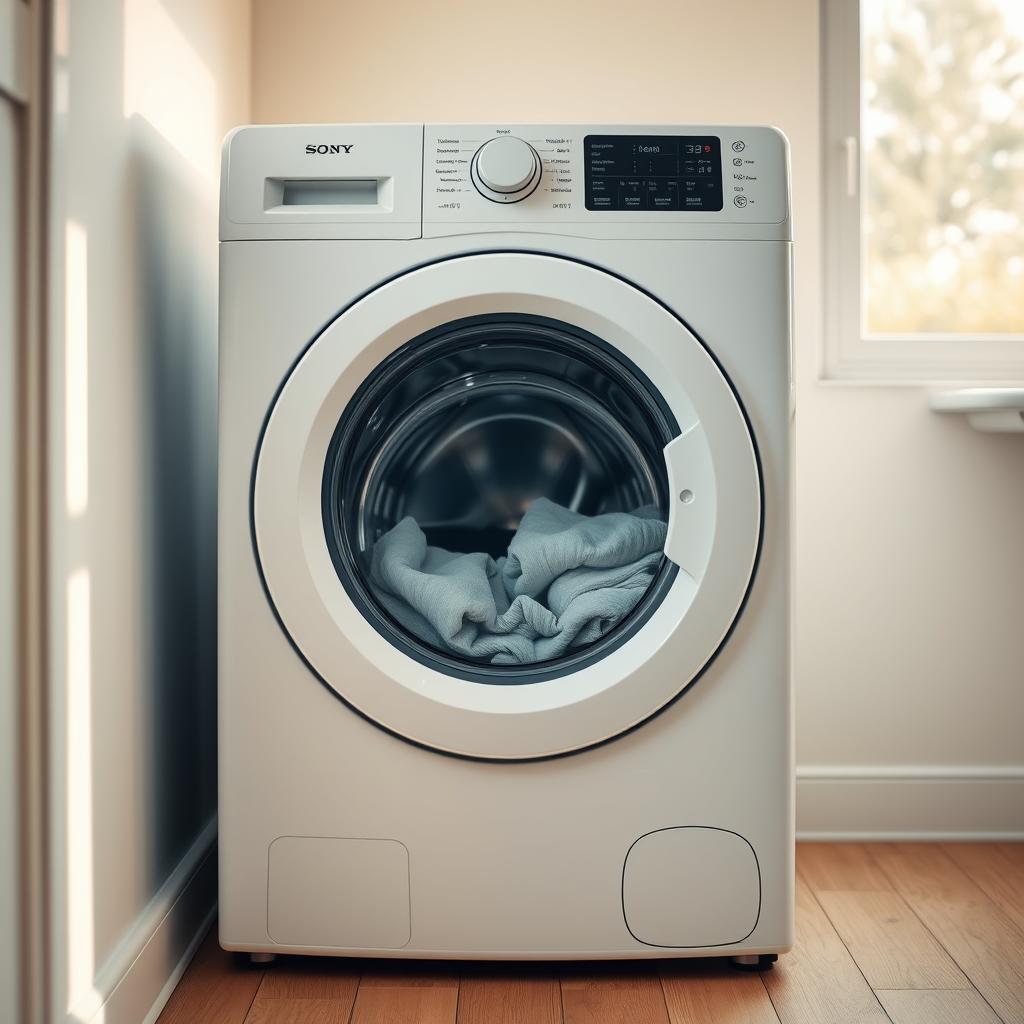
There’s nothing more frustrating than opening your washing machine to find your clothes still soaking wet and not properly spun. A washing machine that won’t spin can leave you dealing with dripping garments, extended drying times, and the worry of potential water damage. If you’re a homeowner in Tampa, Wesley Chapel, Lutz, or anywhere in the surrounding Florida areas, you’re not alone in experiencing this common issue.
The good news? Many spinning problems can be diagnosed and fixed quickly without requiring a full replacement. In this guide, we’ll walk you through six of the most common causes of washing machine spin failures, along with practical quick fixes you can try at home. And if you need professional help, the team at SkyBreeze Appliance Repair is here to serve communities throughout the greater Tampa area.
1. Unbalanced Load
One of the simplest yet most overlooked reasons your washing machine won’t spin is an unbalanced load. Modern washing machines have built-in sensors that detect when clothes are distributed unevenly in the drum. When clothes bunch up on one side, the machine may refuse to spin as a safety precaution to prevent excessive vibration and potential damage. This is especially common with large items like blankets, comforters, or bulky winter coats that can shift during the wash cycle and concentrate all their weight on one section of the drum.
Quick Fix:
Pause your washing machine and open the lid or door. Redistribute the wet clothes evenly around the drum, ensuring that heavier items like jeans are separated from lighter items. Close the lid and restart the spin cycle. This simple action often resolves the issue immediately. For future loads, avoid overloading your machine and try to create a balanced mix of clothing weights.
2. Faulty Lid Switch or Door Latch Problem
Top-loading machines use a lid switch, while front-loaders rely on a door latch, both of which are safety mechanisms. These components tell your washing machine that the lid or door is securely closed before allowing the spin cycle to begin. If the switch or latch is broken, corroded, or misaligned, your machine will prevent spinning to avoid spilling water everywhere. In Florida’s humid climate, corrosion of metal components is particularly common, especially in homes near coastal areas like The Villages, Shady Hills, and Hudson where salt air accelerates rust formation.
Quick Fix:
Start by checking that the lid closes completely and the door latches firmly. Look for any visible dirt, lint, or debris around the latch area and clean it gently with a damp cloth. If the lid or door appears warped or the latch doesn’t click securely, the component may need replacement. For more persistent issues, the electronic switch might be failing, which typically requires professional diagnosis and repair.
3. Worn or Broken Drive Belt
The drive belt is essentially the muscle of your washing machine’s spinning mechanism. This rubber belt connects the motor to the drum and creates the rotational force needed to spin your clothes. Over time, continuous use causes the belt to fray, crack, or slip off its pulleys. A worn or broken drive belt is one of the most common reasons a washing machine can’t spin. The belt typically lasts between 7 to 12 years depending on usage frequency and machine quality. Homes in the Tampa area with hard water may experience accelerated wear due to mineral deposits affecting belt tension.
Quick Fix:
First, unplug your washing machine from the electrical outlet for safety. Remove the front or rear panel (depending on your machine model) to access the belt. If the belt appears visibly frayed, cracked, or is hanging loose, it needs replacement. While some technically-inclined homeowners can replace a drive belt themselves, this typically requires disassembling your machine and understanding proper tension settings. If you’re not comfortable with this task, it’s best to call a professional. For machines showing signs of age and wear, having a technician inspect the belt during a routine service visit can help catch problems early.
4. Faulty Motor Coupling
The motor coupling acts as a mechanical connector between your washing machine’s motor and the drive shaft. It’s designed to be a “sacrificial” component that protects more expensive motor parts by deliberately breaking or slipping when excessive force is applied. If your coupling has failed, the motor can’t transfer power to spin the drum effectively.
Quick Fix:
Motor coupling replacement requires accessing internal components and is not a DIY-friendly repair for most homeowners. If you notice that your washing machine fills and drains normally but simply won’t spin, and you’ve ruled out belt and switch issues, a faulty coupling is likely the culprit. This part typically costs between $200-$400 to replace including labor, depending on your machine model. A professional technician can quickly diagnose and replace this component to restore your machine’s spinning function.
5. Broken Clutch Assembly
In top-loading washing machines, the clutch assembly regulates the transition between the wash and spin cycles. It gradually engages the drum to prevent jerky movements and water sloshing. Over time, the clutch wears out due to friction and repeated use. A worn or broken clutch won’t engage properly, preventing the drum from spinning at the required speed.
Quick Fix:
A telltale sign of clutch problems is a burning smell coming from your washing machine during the spin cycle, or unusual grinding noises. If you experience these symptoms along with no spinning, the clutch assembly likely needs replacement. This is another internal component that typically requires professional removal and installation. Clutch replacement usually costs between $300-$500 including parts and labor. Avoid running the machine further if you suspect clutch failure, as continuing to use it could damage other components.
6. Control Board Malfunction
The control board is like the brain of your washing machine. It receives signals from sensors and controls all the electrical components, including the motor that drives the spin cycle. If the control board experiences electrical faults, corrosion, or component failure, it may fail to send the proper signals to initiate spinning, even if all other mechanical parts are functioning correctly.
Quick Fix:
Control board issues are challenging to diagnose at home because they often present with error codes or cycles that don’t complete properly. Before assuming it’s the control board, make sure you’ve checked for any error codes on your display. Many modern machines show specific error codes that point to the exact problem (you can reference the ultimate appliance error codes guide for more information). If your machine shows an error code related to the motor or spin cycle, the control board might be the culprit. Control boards typically cost $200-$600 to replace. Professional diagnosis with specialized testing equipment is usually necessary to confirm control board failure.
Quick Troubleshooting Checklist
Before calling a repair service, run through this quick diagnostic list:
- Check if the load is balanced and redistribute clothes if needed
- Ensure the lid or door closes firmly and check for debris
- Listen for unusual noises like grinding, squeaking, or burning smells
- Check if error codes appear on your display panel
- Try running a test cycle with an empty drum to isolate the problem
Prevent Future Spinning Issues: Maintenance Tips
The best approach to washing machine problems is prevention. Regular maintenance can extend your machine’s life and keep it spinning smoothly for years. This is especially important for households in the greater Tampa area that rely on their appliances year-round. Here are some essential maintenance practices that professionals at SkyBreeze Appliance Repair recommend for optimal appliance performance:
Load your machine properly. Don’t overload—clothes need room to move freely. Distribute heavy and light items evenly.
Clean your machine regularly. Run a cleaning cycle monthly using a washing machine cleaner to remove detergent buildup and debris.
Check drain filters. Most modern machines have drain filters that collect lint and debris. Empty these regularly to prevent clogs.
Use the right amount of detergent. Too much soap can strain your machine and create buildup issues.
Inspect hoses and connections. Check inlet hoses for cracks or bulges every few years.
Schedule routine service. Annual or bi-annual inspections by a professional can catch wear-and-tear issues before they become major problems.
Learn More About Washing Machine Care
For comprehensive guidance on keeping your washing machine in top condition, check out our For comprehensive guidance on keeping your washing machine in top condition, check out our Complete Guide to Maintaining Your Washing Machine. This detailed resource covers daily care practices, troubleshooting tips, and when to seek professional help.
If you encounter error codes on your washing machine display, our If you encounter error codes on your washing machine display, our Ultimate Cheat Sheet for Appliance Error Codes can help you decode what your machine is trying to tell you.
When to Call a Professional
If you’ve gone through the troubleshooting checklist and your washing machine still won’t spin, or if you’re hearing unusual noises and smelling burning rubber, it’s time to call in the experts. Complex repairs like drive belt replacement, motor coupling issues, or control board malfunctions require specialized tools and experience.
Signs Your Washing Machine Needs Professional Repair:
- Your washing machine is displaying error codes you can’t find in the manual
- You hear grinding, squealing, or burning smells during operation
- Water is leaking from the machine during the spin cycle
- The drum is not moving at all or moving extremely slowly
- Your DIY troubleshooting hasn’t resolved the issue after multiple attempts
The team at SkyBreeze Appliance Repair serves Tampa, Wesley Chapel, Lutz, Land O’ Lakes, Shady Hills, Hudson, Dade City, Zephyrhills, and The Villages. Our certified technicians can quickly diagnose the problem and provide reliable solutions. Whether it’s a simple fix or a major component replacement, we’re here to get your washing machine spinning again. With years of experience servicing all major washing machine brands, we understand the unique challenges Florida residents face with appliance maintenance. Contact us today for professional The team at SkyBreeze Appliance Repair serves Tampa, Wesley Chapel, Lutz, Land O’ Lakes, Shady Hills, Hudson, Dade City, Zephyrhills, and The Villages. Our certified technicians can quickly diagnose the problem and provide reliable solutions. Whether it’s a simple fix or a major component replacement, we’re here to get your washing machine spinning again. With years of experience servicing all major washing machine brands, we understand the unique challenges Florida residents face with appliance maintenance. Contact us today for professional washing machine repair services.
Conclusion
A washing machine that won’t spin can be inconvenient, but it doesn’t have to mean the end of your appliance’s life. By understanding the six most common causes—unbalanced loads, faulty lid switches, worn drive belts, motor coupling issues, broken clutches, and control board malfunctions—you can take the first steps toward solving the problem.
Start with the simple fixes like rebalancing your load and cleaning the lid switch. For more complex issues, don’t hesitate to reach out to a professional technician who can properly diagnose and repair your machine. Regular maintenance and proper care will help you avoid many of these issues in the first place, keeping your washing machine running smoothly for years to come.
While you’re ensuring your washing machine is in great shape, don’t overlook other appliances in your home. Learn about common mistakes that can lead to costly repairs in our article on While you’re ensuring your washing machine is in great shape, don’t overlook other appliances in your home. Learn about common mistakes that can lead to costly repairs in our article on Common Refrigerator Mistakes That Lead to Costly Repairs.