Why Is Your Washing Machine Shaking and Vibrating So Much?
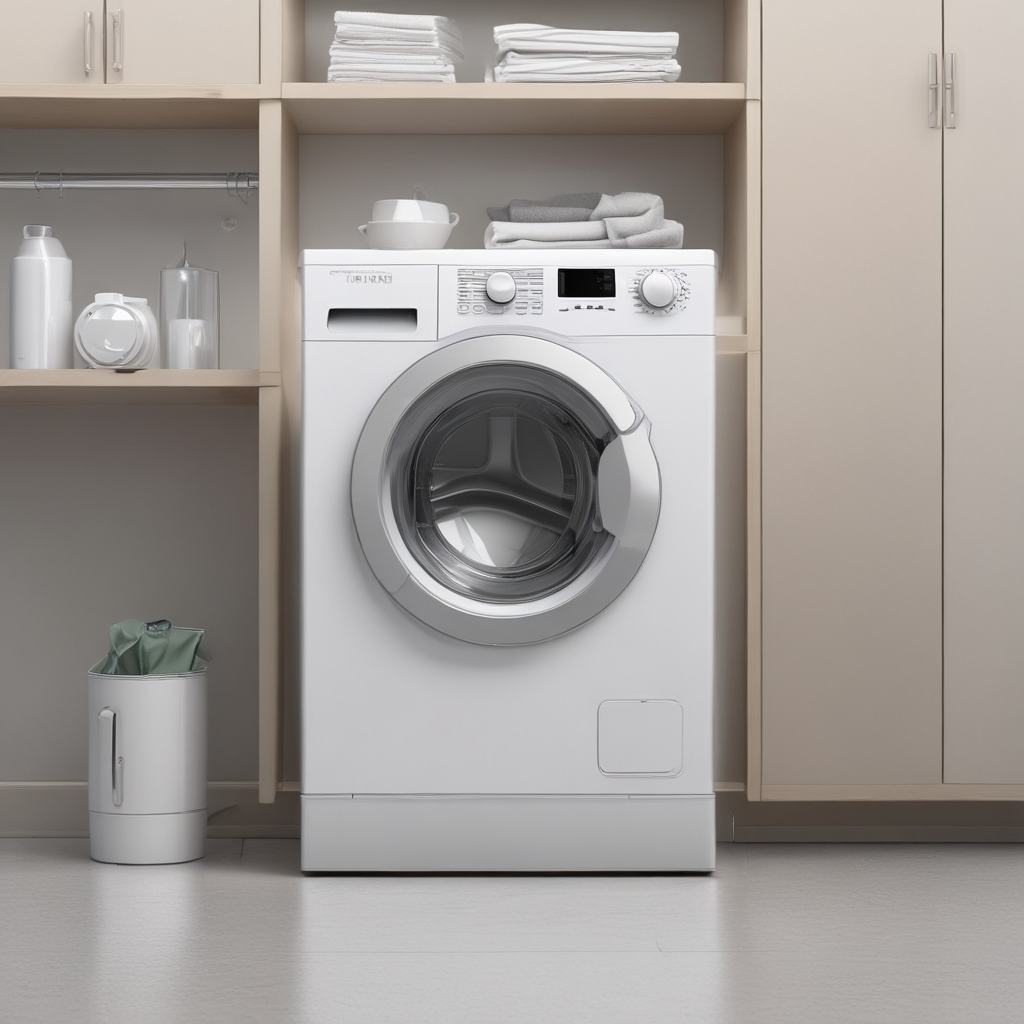
If your washing machine sounds like it’s trying to walk across the laundry room floor during the spin cycle, you’ve got a vibration problem. Whether it’s a front-loader doing a little dance or a top-loader thumping so hard the walls shake, violent washing machine vibration is one of those issues that demands attention. Left unaddressed, it can damage flooring, loosen plumbing connections, and eventually destroy the washer itself.
Homeowners across Tampa, Wesley Chapel, Lutz, and Land O’ Lakes call us about this regularly. The encouraging news is that most cases of excessive washer vibration are fixable — and many can be resolved without any tools at all.
First: Is Some Vibration Normal?
Yes, some vibration during the spin cycle is perfectly normal. Washing machines spin at 600–1200 RPM or more, and that creates movement. A small amount of gentle vibration and a bit of noise is expected. What’s not normal is a washer that moves across the floor, makes banging or thumping sounds, or vibrates hard enough to rattle nearby items. That level of shaking means something needs attention.
The Most Common Causes of Violent Washing Machine Vibration
1. An Unbalanced Load
This is by far the most common cause of excessive washer vibration, and the good news is that it requires zero tools to fix. When your laundry becomes lopsided inside the drum — a heavy blanket clumped on one side, a pair of jeans tangled with a few light shirts — the drum becomes off-balance during the spin cycle. The imbalance creates centrifugal force that throws the whole machine around.
If your washer starts shaking mid-cycle, pause it, open the lid or door, and redistribute the clothes manually. Try to spread items as evenly as possible around the drum. Restart the spin cycle and see if the shaking stops. Also, avoid washing a single heavy item like a comforter or rug by itself — add a few towels to balance the load.
2. The Machine Isn’t Level
Washing machines need to sit perfectly level on the floor to operate without excessive vibration. Even a slight tilt — sometimes less than a quarter inch — can cause significant shaking during the spin cycle. This is especially common after a washer has been moved or if the leveling legs have gradually shifted over time.
To check: place a level on top of the machine and check it front-to-back and side-to-side. Most washing machines have adjustable legs that you can raise or lower by hand or with a wrench. Front legs are usually self-adjusting on many models. Once you’ve set the level, make sure all four legs are firmly touching the floor by rocking the machine by hand — there should be no wobble.
3. Worn or Damaged Shock Absorbers
Front-loading washing machines use shock absorbers (also called dampers) to cushion the drum during the spin cycle. These absorbers are attached between the drum and the cabinet. Over time — especially in machines that are several years old — they wear out and lose their dampening ability. When they fail, the drum moves much more aggressively during spin, and you feel it through the whole machine.
Signs of worn shock absorbers include excessive banging, the drum visibly hitting the sides of the cabinet during spin, and the vibration getting progressively worse over time. Replacing shock absorbers is a moderate DIY repair — it requires removing the front or rear panel of the machine — or a straightforward job for a technician.
4. Worn Drum Bearings
The drum bearings allow the inner drum to rotate smoothly inside the outer tub. As they wear out, the drum develops side-to-side play, which translates into vibration, noise, and shaking during the spin cycle. Bearing failure often comes with a characteristic loud rumbling or grinding sound during spin — almost like the sound of a car wheel bearing going bad.
Worn bearings are one of the more serious washing machine issues because the repair involves significant disassembly and the replacement parts can be expensive. Depending on the machine’s age and overall condition, it’s sometimes worth comparing the repair cost to replacement. Our guide on repair vs. replace decisions can help you think through that choice.
5. Broken or Weakened Suspension Springs
Top-loading washing machines typically use suspension springs to support and cushion the inner tub. These springs hang the tub from the top of the cabinet and absorb movement during agitation and spin. When one or more springs break or stretch out of shape, the tub drops on one side and the whole machine vibrates violently during spin.
You can often diagnose a broken spring by opening the lid and pushing down gently on the drum. If it dips noticeably to one side or doesn’t bounce back evenly, a spring may have failed. Replacing suspension springs requires removing the top panel of the washer and reaching the spring attachment points.
6. Hardwood or Tile Floors
This is a structural issue rather than a mechanical one. Hard, smooth floors like tile or polished hardwood don’t absorb vibration the way carpet does — they amplify it. A washing machine that would run quietly on a carpeted surface may vibrate noticeably on tile. This is a common issue in Florida homes, where tile floors are the norm in laundry rooms.
The solution is to place an anti-vibration mat under the washing machine. These rubberized pads significantly reduce vibration transmission to the floor and often eliminate the walking-machine problem entirely. They’re inexpensive and available at any appliance parts store.
Steps to Diagnose the Problem
- Step 1: Check the load. Redistribute clothes evenly and avoid washing single heavy items alone.
- Step 2: Check the level. Use a level tool and adjust the machine’s feet until it’s perfectly flat.
- Step 3: Consider the floor. If it’s hard tile, add an anti-vibration mat.
- Step 4: Listen for unusual sounds. Grinding, rumbling, or loud banging may indicate bearing or shock absorber issues.
- Step 5: Check the drum for play. Open the lid/door and try to move the drum side to side. Significant play suggests bearing failure.
- Step 6: Call a technician if mechanical components are suspected.
When Shaking Is Combined With Other Problems
Sometimes violent shaking comes paired with other symptoms. If your washer is also not spinning properly or developing an odor, there may be more than one issue going on. It’s also worth checking our overview of signs your washing machine needs professional repair — catching problems early is always more cost-effective than waiting for a breakdown.
Safety Note: Don’t Let It Go Too Long
A washing machine that shakes violently puts stress on every component — the motor, drum, bearings, hoses, and water connections. In Florida’s humid climate, loosened water supply hoses can lead to leaks, and the last thing anyone in Dade City, Zephyrhills, or Hudson wants is a flooded laundry room. Address excessive vibration promptly to protect both the appliance and your home.
When to Call SkyBreeze
If you’ve leveled the machine, redistributed loads, added an anti-vibration mat, and the violent shaking continues, the problem lies with an internal component — shock absorbers, drum bearings, or suspension springs. These require professional diagnosis and repair to fix properly.
The team at SkyBreeze Appliance Repair serves homeowners throughout the Tampa Bay area with same-week appointments and upfront pricing. We carry parts for all major washing machine brands and can diagnose vibration problems quickly. Don’t let a shaking washer damage your home or ruin your laundry days — give us a call.
Front-Loader vs. Top-Loader: Different Vibration Sources
The type of washing machine you have significantly affects which components are most likely causing the vibration:
Front-Loading Washing Machines
Front-loaders are more prone to vibration when shock absorbers wear out, drum bearings fail, or the concrete counterweight (a heavy block inside the cabinet that stabilizes the drum) becomes cracked or loose. They also tend to have more complex balancing requirements — they’re engineered to spin at very high RPM, which means even slight imbalances create more vibration than comparable top-loaders.
If you have a front-loader and can hear a grinding or rumbling sound accompanying the vibration (especially during high-speed spin), drum bearing failure is a strong possibility. Bearing failure in front-loaders gets progressively worse and eventually makes the machine unsafe to run.
Top-Loading Washing Machines
Top-loaders more commonly develop vibration problems from broken suspension springs, a malfunctioning agitator, or a worn drum seal. The tub suspension system in top-loaders is generally simpler — four suspension rods (on many models) replace the shock absorbers found in front-loaders. When one rod loses its dampening ability, the tub drops and throws off balance during spin.
How Long Should a Washing Machine Last?
Understanding your machine’s age helps you make the right call on repair vs. replacement. A well-maintained washing machine typically lasts 10–13 years. If your washer is approaching or past the 10-year mark and develops significant vibration from bearing failure or broken suspension components, the repair cost may approach what a new machine costs — making replacement the smarter financial choice.
Our appliance lifespan guide has detailed information on what to expect from washing machines and other major appliances throughout their service life. Use it alongside your repair estimate to make an informed decision.
Preventing Vibration Problems: Habits That Help
Once you’ve addressed the current vibration problem, a few habits will help prevent recurrence:
- Weigh loads toward medium-sized batches. Avoid very large loads (which create imbalance) and very small loads (which can also cause uneven distribution during spin).
- Always wash similar-weight items together. A heavy towel and a pair of socks won’t balance well — group items by fabric weight when possible.
- Check the leveling feet seasonally. In Florida, humidity and heat cycles can cause flooring materials to expand and contract slightly, which can shift the leveling of appliances over time. A quick level check every six months keeps things aligned.
- Consider a washer anti-vibration mat. Even for machines that currently run quietly, a quality rubber mat reduces vibration transmission to the floor and extends the life of the machine’s suspension components.
- Leave the door or lid open between washes. This isn’t directly related to vibration, but it prevents the interior from trapping moisture that can accelerate bearing and seal wear — a particular concern in Florida’s humidity.
What This Repair Typically Costs
For reference, here’s what common washing machine vibration repairs typically cost in the Tampa Bay area:
- Anti-vibration mat: $20–$50 (DIY)
- Leveling adjustment: Typically free — homeowner task
- Suspension spring replacement (top-loader): $100–$200
- Shock absorber replacement (front-loader): $150–$250
- Drum bearing replacement: $200–$400 (more for premium brands due to part costs)
Key Takeaways
Violent washing machine shaking during spin usually comes down to: an unbalanced load, the machine not being level, worn shock absorbers (front-loaders), worn drum bearings, broken suspension springs (top-loaders), or a hard floor without an anti-vibration mat. Start with the free fixes — balancing loads and leveling the machine — and escalate to professional repair for internal component issues.