Common Refrigerator Mistakes That Lead to Costly Repairs
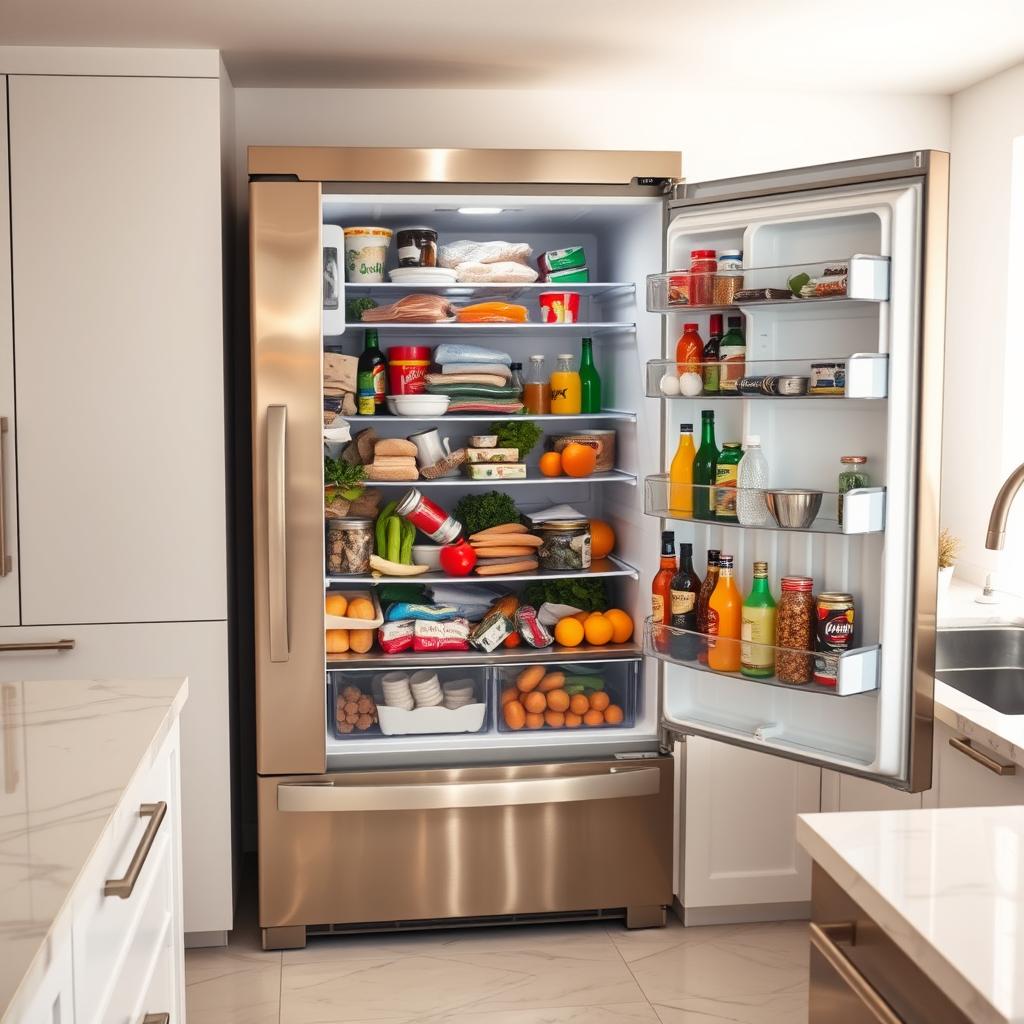
Your refrigerator is one of the hardest working appliances in your home, running 24/7 to keep your food fresh and safe. But like any hardworking machine, it needs proper care and attention. If you’ve been guilty of some common refrigerator mistakes, don’t worry—you’re not alone. Many homeowners unknowingly damage their fridges through simple oversights that eventually lead to expensive repairs.
In this guide, we’ll walk you through the 10 most common refrigerator mistakes that can drain your wallet. Whether you’re dealing with temperature issues, strange noises, or cooling problems, these mistakes might be the culprit. The good news? Most of them are easy to avoid once you know what to look for.
1. Overstocking Your Refrigerator
It’s tempting to load up your fridge with groceries, especially after a big shopping trip. However, overstocking is one of the most common mistakes that can damage your refrigerator over time.
When you pack your fridge too tightly, you restrict air circulation. Your refrigerator relies on consistent airflow to distribute cold air evenly throughout the unit. When vents are blocked by food containers and packages, the cooling system has to work much harder to maintain the set temperature. This puts excessive strain on the compressor, the most expensive component in your fridge.
Over time, this constant overwork can lead to compressor failure, which often means replacing the entire cooling system. A new compressor installation can cost anywhere from $200 to $600, depending on your refrigerator model. To avoid this, aim to fill your fridge about 75% of capacity, leaving space for proper air circulation.
2. Setting the Wrong Temperature
Think all cold is the same? Think again. Setting your refrigerator to the wrong temperature is a surprisingly common mistake that affects both your food’s safety and your appliance’s longevity.
The ideal refrigerator temperature is between 35°F and 38°F. If you set it too cold (below 32°F), you risk freezing your fresh produce and other items. More importantly, pushing your refrigerator to extreme temperatures forces it to run continuously, increasing energy consumption and putting stress on components. If you set it too warm (above 40°F), you risk food spoilage and foodborne illness.
Additionally, constantly adjusting the temperature dial causes wear on the thermostat controls. Set it once to the recommended temperature and leave it alone. Check it monthly with a simple refrigerator thermometer to ensure it’s maintaining the proper range.
3. Ignoring Door Seals and Gaskets
The rubber seals around your refrigerator door are like the weatherstripping on your home. They create a tight seal to keep cold air in and warm air out. Yet many people ignore these critical components until problems develop.
When door gaskets become damaged, cracked, or dirty, they can’t seal properly. This means cold air leaks out, forcing your compressor to run longer and harder to maintain temperature. A simple test: place a dollar bill in the door and close it. If you can pull it out without resistance, your seal needs attention.
Regular cleaning with warm soapy water keeps gaskets clean and flexible. If they’re cracked or damaged, replacing them early (usually $75-$150) is far cheaper than repairing the damage caused by a faulty seal. Left unchecked, this can lead to compressor burnout and compressor burnout and refrigerator cooling issues.
4. Never Cleaning the Condenser Coils
Here’s a maintenance task many homeowners completely skip: cleaning the condenser coils. These coils, usually located at the back or bottom of your refrigerator, release the heat that’s pulled from inside the fridge. When they become clogged with dust and pet hair, they can’t release heat effectively.
Dirty condenser coils force your refrigerator to work overtime, significantly reducing its lifespan and increasing your energy bills. This is one of the easiest maintenance tasks to perform, yet it’s often overlooked. Simply unplug your fridge, locate the coils, and use a coil cleaning brush or vacuum to gently remove accumulated dust.
Aim to clean the condenser coils every 6 to 12 months, more frequently if you have pets. This simple 15-minute task can prevent costly compressor repairs and extend your refrigerator’s life by years.
5. Blocking Air Vents Inside the Fridge
Most refrigerators have air vents inside the unit that distribute cold air. These vents are strategically placed—usually in the back or sides—and should never be blocked. Yet many people accidentally cover them with food containers, shelves, or storage boxes without realizing it.
When vents are blocked, cold air can’t circulate properly. This creates hot spots in your fridge where food thaws or spoils faster. Your cooling system works harder to compensate, putting strain on the compressor and other components. Over time, you’ll notice inconsistent temperatures, frost buildup, or your fridge running constantly—all signs of vent obstruction.
The fix is simple: keep shelves and storage items away from air vents. Check your refrigerator’s manual for vent locations so you know exactly what areas to keep clear. This easy habit prevents major cooling problems down the road.
6. Not Leveling Your Refrigerator Properly
When you first set up your refrigerator, did you use a level? Many people don’t, and this seemingly small oversight can cause big problems over time.
A refrigerator should be tilted slightly forward (about 1/4 inch higher at the back than the front). This ensures that water from melting ice and condensation flows toward the drain pan instead of pooling inside the unit. If your fridge is level or tilted backward, water accumulates, leading to rust, mold growth, and ice buildup on the evaporator coils.
When ice builds up on the coils, your refrigerator can’t cool properly. You’ll end up with a refrigerator running but not cooling adequately. Fixing this issue early by adjusting the legs is free and takes just a few minutes. Waiting until you have ice buildup and cooling problems can mean expensive coil repairs or replacement.
7. Storing Hot or Warm Food
We’re all guilty of it—coming home and immediately putting a still-warm pot of food straight into the fridge. While it might seem convenient, this is a mistake that stresses your refrigerator significantly.
When you put hot food in your fridge, it raises the internal temperature. Your compressor must kick into overdrive to bring the temperature back down. If you do this frequently, you’re putting your compressor through unnecessary stress cycles. Additionally, the sudden temperature change can cause condensation buildup, which contributes to rust and mold.
The best practice? Let food cool to room temperature before refrigerating. This protects your appliance and ensures even, safe cooling of your food. Your fridge—and your wallet—will thank you.
8. Ignoring Strange Noises
Your refrigerator makes some sounds—that’s normal. The compressor hums, water drains, and fans run. But strange, loud, or unusual noises are warning signs you shouldn’t ignore.
Rattling, grinding, squealing, or banging sounds often indicate problems with internal components like the compressor, evaporator fan, or condenser fan. Some people ignore these noises for months, hoping they’ll go away. Unfortunately, they don’t—they typically get worse. What starts as a small issue requiring a minor repair can develop into a catastrophic failure requiring replacement of expensive components.
If you hear unusual sounds, don’t wait. Contact a professional refrigerator repair service right away. Early diagnosis often means simpler, cheaper repairs.
9. Neglecting the Water Filter
If your refrigerator has an ice maker or water dispenser, it has a water filter that needs regular replacement. Many people forget about this completely until they notice poor water quality or ice production problems.
A clogged water filter restricts water flow, putting pressure on the water supply line and inlet valve. Over time, this can cause leaks behind your refrigerator, leading to water damage in your kitchen and mold growth. Additionally, dirty filters allow sediment and contaminants into your ice and water, affecting taste and safety.
Most manufacturers recommend replacing your water filter every 6 months. This is an inexpensive maintenance task (filters typically cost $20-$50) that prevents expensive water damage and component failures. Mark it on your calendar and stay on top of it.
10. Poor Organization and Clutter
The last mistake might seem minor, but poor organization inside your refrigerator contributes to several problems. When items are disorganized and haphazardly placed, it’s easy to accidentally block vents or damage components.
Additionally, disorganization makes it harder to find items, leading to longer door-opening times and temperature fluctuations. It also makes cleaning more difficult, which means condenser coils might stay dirty longer and spills go unnoticed.
Create a simple organizational system. Use clear bins to group similar items, label shelves for different food categories, and maintain a quick inventory. This makes your fridge more efficient, helps you avoid waste, and protects your appliance from accidental damage.
Protect Your Refrigerator Investment
These ten common mistakes might seem small individually, but together they can significantly reduce your refrigerator’s lifespan and lead to costly repairs. The good news is that most are easy to avoid with awareness and simple maintenance habits.
Start implementing these tips today: maintain proper temperature, keep vents clear, clean the condenser coils, replace water filters, and level your fridge correctly. These simple actions can add years to your appliance’s life and keep your repair bills low.
If you’re experiencing refrigerator problems despite proper care, or if you need professional guidance on maintaining your appliance, the team at SkyBreeze Appliance Repair is here to help. Serving Tampa, Wesley Chapel, Lutz, Land O’ Lakes, Shady Hills, Hudson, Dade City, Zephyrhills, and The Villages, we offer expert refrigerator repair services and preventative maintenance guidance. Don’t let a broken fridge ruin your food or your budget—reach out today.
Additional Resources
Need help with other appliances? Check out our washing machine maintenance guide or our comprehensive appliance error codes cheat sheet for quick troubleshooting tips.