Why Is My Refrigerator Freezing Food? 6 Common Causes and Fixes
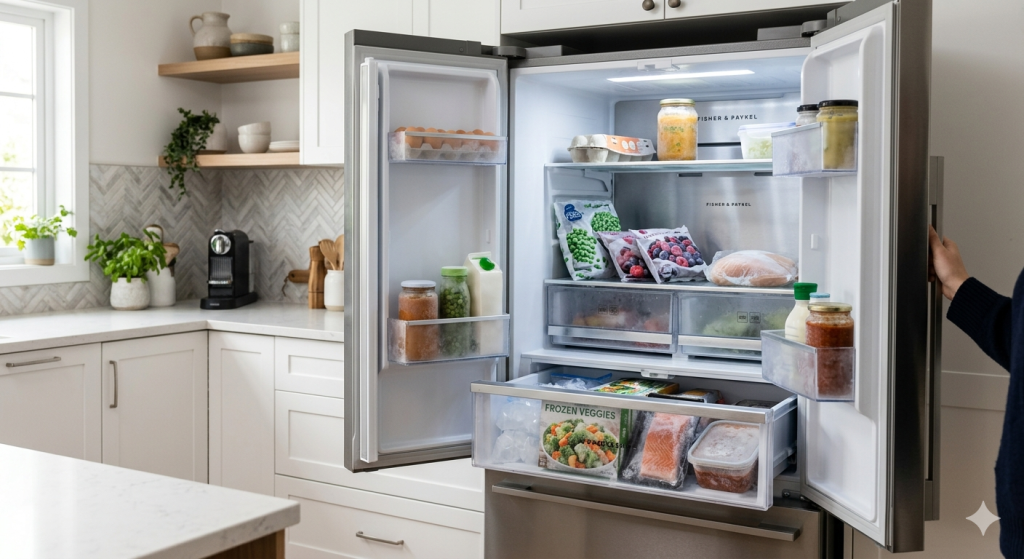
You pull open the refrigerator expecting a crisp head of lettuce, and instead you find it frozen solid. Or maybe your drinks are turning into slushies, and your fresh berries have that telltale icy sheen. It’s confusing and wasteful — and if this sounds familiar, you’re not alone. A refrigerator that freezes food in the fresh food section is one of the most common appliance complaints we hear from homeowners across Tampa, Wesley Chapel, Lutz, Land O’ Lakes, and the surrounding Florida communities.
The good news is that this problem usually has a clear cause, and in many cases you can fix it yourself without calling a repair technician. Let’s walk through exactly why this happens and what you can do about it.
How Your Refrigerator Is Supposed to Work
First, a quick bit of context. Your refrigerator has two compartments — the freezer and the fresh food section. The fresh food section should stay between 35°F and 38°F (about 2°C to 3°C). The freezer sits at 0°F (-18°C). These two sections share a cooling system, but they’re designed to stay thermally separate.
Cooling air circulates from the freezer into the fresh food section through a damper (also called an air inlet or damper control). This damper is essentially a small door that opens and closes to regulate how much cold air enters the fresh food compartment. When something goes wrong with this system, your fresh food section can end up getting too cold — and your food pays the price.
The Most Common Reasons Your Refrigerator Is Freezing Food
1. The Temperature Control Is Set Too Low
Let’s start with the simplest explanation. If someone in your household bumped the temperature dial (or if you changed it accidentally), the fresh food section might just be set too cold. On most refrigerators, the dial ranges from 1 (warmest) to 7 (coldest). Many homeowners in Zephyrhills and The Villages are surprised to find that the temperature was accidentally turned up at some point.
Check your refrigerator’s temperature control and set it to a middle range, typically between 3 and 4 on a dial or 37°F if you have a digital readout. Give it 24 hours to stabilize, then check again.
2. The Damper or Air Inlet Control Is Stuck Open
If the temperature is set correctly but food is still freezing, a stuck-open damper is often the culprit. The damper is a small mechanical flap that sits between the freezer and fresh food compartments. It opens when more cold air is needed and closes when the fresh section reaches its set temperature.
When the damper gets stuck in the open position — which can happen due to ice buildup, mechanical failure, or a broken thermostat — cold air flows continuously into the fresh food section, dropping the temperature below freezing.
You can often access the damper by removing the panel at the back of the fresh food compartment (usually near the top). If you see visible ice buildup around it or if it doesn’t move freely, that’s your problem. Defrosting the refrigerator manually (unplugging it and leaving the doors open for 24–48 hours) can often clear ice-related damper issues.
3. A Faulty Thermistor or Temperature Sensor
Modern refrigerators use electronic sensors called thermistors to monitor the temperature in each compartment. If the thermistor in the fresh food section fails, it may send incorrect readings to the control board, telling the refrigerator it’s warmer than it actually is. In response, the system keeps cooling — right past the safe zone and into freezing territory.
Testing a thermistor requires a multimeter to check its resistance, which changes predictably with temperature. If you’re not comfortable with appliance diagnostics, this is a good time to call in a professional. A faulty thermistor is a relatively inexpensive part but requires some know-how to replace correctly.
4. The Main Control Board Has Malfunctioned
The main control board acts as the brain of your refrigerator. It reads sensor data, controls the compressor cycles, and manages the damper. When it malfunctions, it can cause erratic temperature behavior — including over-cooling the fresh food section.
Control board failures are less common than the issues listed above, but they do happen — especially in refrigerators that are five years or older or those that have experienced power surges. A malfunctioning control board often produces multiple symptoms simultaneously: the ice maker might stop working, the display might flicker, or the compressor might run continuously.
If you’ve already ruled out the temperature setting, damper, and thermistor, the control board is the next item to investigate. This repair is best left to a professional.
5. Overpacking the Fresh Food Section
Here’s one that surprises people: overpacking your refrigerator can cause cold spots that freeze food. When the fresh food section is tightly packed, cold air can’t circulate properly. Certain spots — especially near the air vents — end up significantly colder than others. Produce and leftovers placed directly in front of a vent may freeze even if the rest of the fridge is at a normal temperature.
This is especially common in households that do large grocery runs, which we see a lot of in Land O’ Lakes and Shady Hills where families stock up for the week. The fix is simple: rearrange your food to ensure there’s space around items, and avoid placing delicate items (lettuce, berries, drinks) directly against the back wall or near air vents.
6. Door Seal Issues
A damaged or worn-out door gasket (the rubber seal around the refrigerator door) can allow warm, humid air to seep in. When this warm air hits the cold interior, condensation forms, and the refrigerator works harder to compensate. In some cases, this extra cooling effort causes the temperature to drop below freezing in parts of the fresh food section.
You can test your door seal with the “dollar bill test”: close a dollar bill in the door and try to pull it out. If it slides out easily, the seal isn’t tight enough. A new gasket is typically inexpensive and can be replaced without professional help.
How to Troubleshoot Step by Step
If your refrigerator is freezing food, here’s a practical order of operations:
- Step 1: Check the temperature settings. Confirm the fresh food section is set between 35–38°F and the freezer is at 0°F.
- Step 2: Rearrange your food. Move items away from air vents and give the interior some breathing room.
- Step 3: Inspect the door seals. Run your hand along the door edges to feel for cold air escaping. Look for cracks or gaps in the gasket.
- Step 4: Check for ice buildup. Look at the back panel inside the fresh food section and near the damper. Significant frost buildup suggests a defrost problem or stuck damper.
- Step 5: Manually defrost the refrigerator. Unplug it and leave the doors open for 24–48 hours. Restart and monitor temperatures for 24 hours.
- Step 6: Call a professional. If the problem persists, there’s likely a faulty thermistor, damper, or control board that needs professional diagnosis.
When the Freezer Is Also Acting Up
Sometimes a fridge that freezes food in the fresh section has a related issue in the freezer. If you’ve also noticed your freezer not freezing properly or the ice maker not working, the problem likely stems from the same root cause — often a defrost system failure or control board issue. Addressing the two problems together is more efficient and cost-effective.
Florida’s Climate Adds a Wrinkle
Here in Tampa Bay and across Central Florida, our hot and humid summers put refrigerators under extra stress. The compressor works harder to maintain temperatures when the kitchen is warm, and humidity can accelerate door gasket wear. It’s also more common to see frost and ice buildup inside the refrigerator during humid months, which can contribute to damper and airflow problems.
If you’ve moved to Florida from a cooler climate, you may notice your appliances need a bit more attention than they did up north. Regular maintenance — including cleaning the condenser coils and checking the door seals annually — goes a long way toward preventing temperature problems like this one.
Can This Problem Damage Your Refrigerator?
In most cases, a refrigerator that’s freezing food isn’t in immediate danger of breaking down — but you should address it promptly. Leaving a stuck-open damper or faulty thermistor uncorrected can lead to:
- Compressor overwork and premature failure
- Higher energy bills
- Continued food spoilage and waste
- Frost buildup that can restrict airflow and trigger additional problems
Many homeowners in Hudson and Dade City have seen small problems turn into bigger ones simply by waiting too long. When in doubt, it’s always better to have the issue diagnosed sooner rather than later.
Comparing This to Other Common Refrigerator Problems
If you’re experiencing temperature issues, it may help to review some of our other refrigerator guides. Our article on refrigerator not cooling covers the opposite problem, while our guide on common refrigerator mistakes outlines habits that shorten appliance lifespan. Knowing what normal looks like helps you spot problems earlier.
When to Call SkyBreeze Appliance Repair
If you’ve worked through the troubleshooting steps above and the food is still freezing, it’s time for a professional look. At SkyBreeze Appliance Repair, we diagnose refrigerator temperature problems every day for homeowners throughout the Tampa Bay area — from Wesley Chapel and Lutz to Land O’ Lakes and The Villages.
Our technicians carry the most commonly needed parts on the truck, which means faster repairs and less waiting around. Whether it’s a faulty thermistor, a stuck damper, or a control board issue, we’ll identify the cause and give you a clear, honest estimate before any work begins.
Brand-Specific Notes on Refrigerator Freezing Issues
Different refrigerator brands handle temperature control differently, and certain models are more prone to specific causes of freezing:
Samsung and LG Refrigerators
Samsung and LG French door models are particularly known for ice buildup in the sealed system and around the evaporator fan. Samsung’s “Twin Cooling Plus” and LG’s linear compressor designs can sometimes overcool the fresh food compartment when the temperature sensor drifts. If you have a Samsung or LG refrigerator and are experiencing freezing in the fresh food section, pay special attention to the evaporator area and defrost system — these brands have had well-documented issues with frost accumulation that can affect temperature regulation across both compartments.
Whirlpool, Maytag, and KitchenAid
These sister brands (all manufactured by Whirlpool Corporation) frequently share the same damper and thermistor components. A stuck damper is one of the most common causes of fresh food compartment freezing in these models. The good news is that replacement parts are widely available and relatively affordable. If you have a Whirlpool or Maytag fridge and food keeps freezing, the damper door mechanism is one of the first things a technician will inspect.
GE and Frigidaire Models
GE Profile and Frigidaire Gallery series refrigerators sometimes develop temperature sensor issues as they age. If the thermostat sensor resistance drifts outside its normal range, the control board misreads the interior temperature and allows it to drop too low. A simple resistance test with a multimeter can confirm or rule out a bad sensor — it’s a quick diagnostic step that can save an unnecessary service call.
When Freezing Is Seasonal
Here’s something many Florida homeowners notice: refrigerator temperature problems sometimes get worse in summer. When your kitchen temperature rises — during hot weather, after cooking a large meal, or when the AC is struggling — your refrigerator’s compressor runs more aggressively to compensate. This extra cooling effort can cause temperatures to drop below the set point if the thermostat and control system aren’t responding precisely.
Conversely, some homes see freezing issues during the winter months when kitchens get cooler and the refrigerator runs less often, causing the interior to occasionally dip too low between compressor cycles. If you notice the problem is seasonal, mention this to your technician — it can help narrow down the root cause significantly.
Cost to Repair: What to Expect
If DIY troubleshooting doesn’t resolve the problem, knowing approximate repair costs can help you plan. Here’s a general range for common repairs in the Tampa Bay area:
- Thermistor (temperature sensor) replacement: $100–$200 including parts and labor
- Damper assembly replacement: $150–$250
- Control board replacement: $200–$400 (control boards vary significantly by brand and model)
- Defrost system repair: $100–$200 depending on which component failed
- Door gasket replacement: $75–$150 for professional installation, or a DIY job for most homeowners
As always, comparing the repair cost to the age and overall condition of your refrigerator is worthwhile. Our repair vs. replace guide walks you through that decision.
Quick Recap
A refrigerator freezing food in the fresh section is almost always caused by one of these six things: the temperature being set too low, a stuck-open damper, a faulty thermistor, a malfunctioning control board, overpacking, or a worn door seal. Start with the simplest fixes first — temperature and airflow — and work toward the more complex ones. With a bit of patience, you’ll either solve it yourself or have a much clearer picture of what to tell the repair technician when you call.