How to Extend the Life of Your Dishwasher: 10 Expert Tips
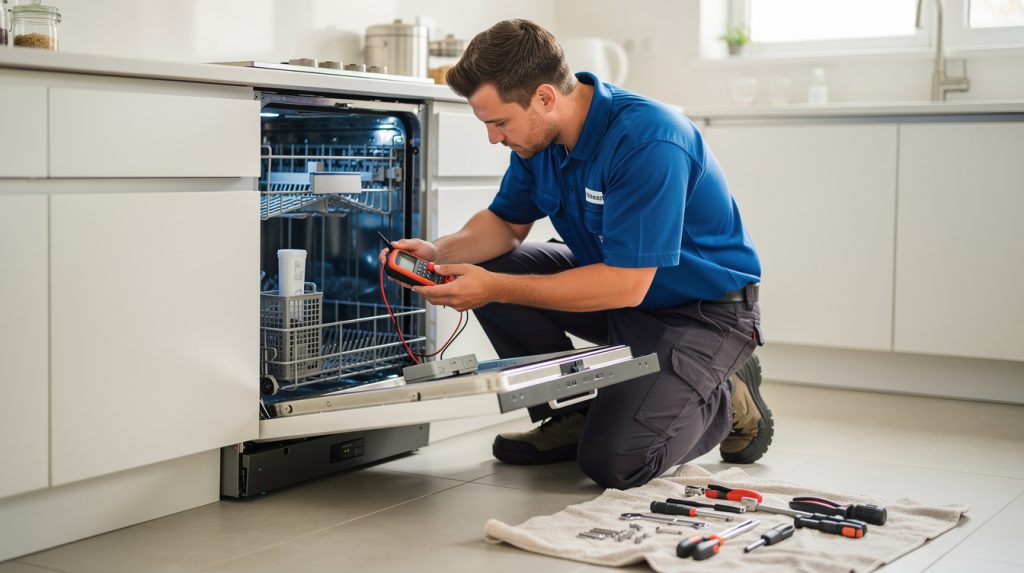
Your dishwasher is one of the most convenient appliances in your kitchen, saving you hours of manual scrubbing every week. But like any hardworking machine, it needs a little attention to keep performing at its best. The average dishwasher lasts about 10 years, but with proper care, many homeowners get 12 to 15 years of reliable service from theirs. Here are ten expert tips that will help your dishwasher go the distance.
Tip #1: Clean the Filter Every Two Weeks
If there is a single maintenance task that has the biggest impact on your dishwasher’s health, it is cleaning the filter. Modern dishwashers have a removable filter at the bottom of the tub that catches food particles, preventing them from clogging the drain pump or recirculating onto your dishes. When this filter gets packed with debris, everything suffers — cleaning performance drops, drainage slows down, and odors develop.
Locate the filter (usually a cylindrical mesh piece in the center bottom of the tub), twist it to unlock, and pull it out. Rinse it under warm running water and use a soft brush to remove any stubborn particles. If it has been a while since you last cleaned it, soak it in warm soapy water for 10 minutes first. This simple habit every couple of weeks prevents the majority of dishwasher performance issues. If your dishwasher is not draining properly, a clogged filter is the first thing to check.
Tip #2: Use Rinse Aid Consistently
Rinse aid does more than just prevent water spots — it helps water sheet off your dishes during the rinse cycle, which improves drying performance and reduces the mineral deposits that build up inside the machine over time. In areas with hard water (common throughout Florida), rinse aid is especially important because it counteracts the calcium and magnesium that cause white film on glasses and scale buildup on internal components.
Keep the rinse aid dispenser topped off and adjust the dosage setting if you notice spots or wet dishes. Most dispensers hold enough for about a month of regular use. Consider it a small investment that pays dividends in both dish quality and machine longevity.
Tip #3: Run a Monthly Cleaning Cycle
Even though your dishwasher uses hot water and detergent every cycle, residue gradually accumulates on the spray arms, interior walls, door gasket, and heating element. This buildup reduces cleaning effectiveness and can eventually clog spray arm holes or damage the heating element. Running an empty cycle once a month with either a commercial dishwasher cleaner or a cup of white vinegar placed on the top rack in a dishwasher-safe bowl keeps the interior fresh and free of buildup.
For an extra deep clean, sprinkle a cup of baking soda across the bottom of the tub after the vinegar cycle and run a short hot cycle. The combination of vinegar and baking soda (used in separate cycles) tackles both mineral deposits and organic residue.
Tip #4: Do Not Pre-Rinse, But Do Scrape
Modern dishwashers and detergents are designed to work with some food soil present — in fact, many detergent enzymes need food particles to activate properly. Pre-rinsing dishes wastes water and can actually reduce cleaning performance. However, you should scrape large food particles, bones, and tough residue into the trash before loading. The goal is to remove chunks that could clog the filter or drain pump while leaving enough soil for the detergent to work effectively.
Items like labels from jars, toothpicks, fruit pits, and broken glass should never go into the dishwasher. These can damage the pump, jam the spray arms, or clog the drain system.
Tip #5: Load Properly for Optimal Water Flow
How you load your dishwasher directly affects both cleaning results and the stress on internal components. Overcrowding blocks the spray arms from rotating freely and prevents water from reaching all surfaces. Items that nest together (bowls stacked inside bowls, for instance) trap dirty water and come out still dirty, tempting you to run the cycle again — doubling the wear on the machine.
Place large items along the sides and back where they will not block the spray arm. Angle cups and bowls for water runoff. Put silverware with handles down (except knives, which go handles up for safety). Leave space between items for water circulation. A properly loaded dishwasher cleans better in one cycle than an overpacked one does in two.
Tip #6: Use the Right Detergent in the Right Amount
Using too much detergent is almost as common as using too little, and both cause problems. Excess detergent leaves residue on dishes and inside the machine, contributes to odor, and can create excess suds that interfere with the pump. Too little detergent means poor cleaning, which leads to running additional cycles.
Use the detergent type recommended for your machine. Tablets and pods are generally more convenient and provide consistent dosing. If you use powder or gel, fill the dispenser to the recommended line — not overflowing. Avoid using regular dish soap, which creates massive suds and can overflow from the machine. If you have hard water, choose a detergent with built-in water softening agents for the best results.
Tip #7: Inspect and Clean the Spray Arms
The spray arms are the rotating components that distribute water throughout the dishwasher during the wash cycle. Each arm has small holes or nozzles that can become clogged with mineral deposits, food particles, or debris over time. Clogged spray arm holes reduce water pressure and create uneven cleaning patterns — some dishes come out spotless while others are still dirty.
Remove the spray arms every three to six months (most snap or unscrew off easily) and rinse them under running water. Use a toothpick or thin wire to clear any clogged holes. Hold the arm up to the light — you should be able to see through every hole. While the arms are out, check that the bearings or connections are not worn or cracked, and that the arms spin freely when reinstalled.
Tip #8: Maintain the Door Gasket
The rubber gasket around the dishwasher door creates the watertight seal that keeps water inside during cycles. Food debris, grease, and mildew accumulate on the gasket over time, compromising the seal and creating odors. A deteriorating gasket can also lead to leaks from around the door, potentially damaging your kitchen flooring.
Wipe the gasket monthly with a damp cloth and mild soap, paying attention to the folds where grime collects. Inspect it for cracks, tears, or sections that have become stiff and lost their flexibility. A gasket that no longer seals properly should be replaced — it is an inexpensive part that prevents much more expensive water damage.
Tip #9: Run Your Dishwasher Regularly
It might seem like running the dishwasher less often would extend its life, but the opposite is actually true. Dishwashers that sit idle for extended periods develop problems faster than those used regularly. Seals and gaskets dry out and crack without regular exposure to water. Food residue left on dishes in a dormant machine decomposes and creates stubborn buildup. Pump seals can stiffen and fail from lack of lubrication.
Running the dishwasher at least every two to three days keeps everything lubricated, exercised, and clean. If you do not generate enough dishes for a full load, use the light or express cycle to keep things moving without wasting water and energy.
Tip #10: Address Problems Early
The most expensive dishwasher repairs are the ones that started as minor issues and were ignored. A drying problem that goes unaddressed may point to a failing heating element that eventually burns out completely. A slow drain that you ignore can lead to pump damage. Error codes that you dismiss by resetting the machine may be warning you about a component that is about to fail catastrophically.
When your dishwasher shows any sign of trouble — unusual noises, declining performance, leaks, error codes, or odors that persist despite cleaning — investigate promptly. Many issues are inexpensive to fix when caught early but become major repairs when left to worsen.
When Professional Help Makes Sense
Regular maintenance handles most dishwasher issues, but some problems need a trained technician. If you notice persistent leaking, pump noises, electrical issues, or recurring error codes, the team at SkyBreeze Appliance Repair can diagnose and fix the problem efficiently. We work with all major dishwasher brands — Samsung, LG, Bosch, Whirlpool, KitchenAid, GE, Frigidaire, and Maytag — throughout Tampa, Wesley Chapel, Lutz, Land O’ Lakes, Hudson, Dade City, Zephyrhills, The Villages, and surrounding areas.
Taking care of your dishwasher is one of the simplest and most rewarding maintenance routines in your home. A few minutes of attention each month adds years of reliable service and keeps every load coming out clean and sparkling. Start with the filter — once that becomes a habit, the rest follows naturally.