How to Reduce Noise From Your Washing Machine During Spin Cycle
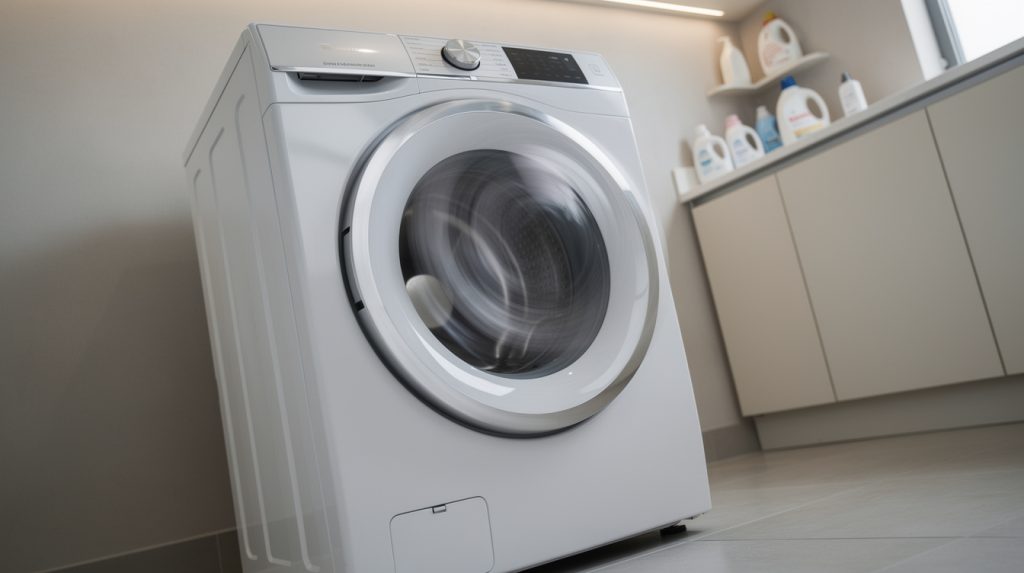
If your washing machine sounds like it is trying to launch into orbit every time it hits the spin cycle, you are not alone. Excessive noise during spinning is one of the most common washing machine complaints, and it ranges from mildly annoying to genuinely alarming. The banging, thumping, grinding, or squealing can be loud enough to hear throughout the house, and beyond the noise itself, it often signals a problem that can worsen over time if ignored.
Understanding why your washer gets loud during spinning — and what you can do about it — can save you from expensive repairs, extend the life of your machine, and restore peace to your laundry days. Here is a comprehensive look at every common cause and the solutions that actually work.
Why the Spin Cycle Is the Noisiest Phase
The spin cycle is inherently the loudest part of any wash cycle because it involves the highest rotational speed. During spinning, the drum rotates at anywhere from 800 to 1,600 RPM (revolutions per minute) depending on the model and setting. At these speeds, even a small imbalance creates significant centrifugal force that translates into vibration and noise. Think of it like a ceiling fan — perfectly balanced at low speed, but let one blade get slightly heavier and it wobbles noticeably at high speed.
This means the spin cycle amplifies any underlying issue. A problem that is barely noticeable during washing becomes impossible to ignore during spinning. That is why diagnosing the source of spin cycle noise often reveals issues you will want to address before they cause real damage.
Unbalanced Loads: The Most Common Culprit
The single most frequent cause of excessive spin noise is an unbalanced load. When heavy items end up on one side of the drum while lighter items are on the other, the drum becomes weighted unevenly. During high-speed spinning, this imbalance creates a rhythmic thumping as the heavy side rotates and hits a different position with each revolution.
Large items like comforters, bath mats, and jeans are especially problematic because they absorb water unevenly and can bunch up on one side. The fix is straightforward: open the washer, redistribute the load evenly around the drum, and restart the spin cycle. For future loads, mix heavy and light items together rather than washing all heavy items at once. If you regularly wash large single items like blankets, adding a couple of towels for balance helps enormously.
If your washing machine is shaking violently, an unbalanced load is the first thing to rule out before investigating mechanical causes.
The Machine Itself Is Not Level
A washing machine that is not perfectly level on the floor will vibrate excessively during the spin cycle. This is one of the most overlooked causes of washer noise because the machine may have been level when it was installed but shifted over time due to vibration. Even a quarter-inch difference between the front and back feet can cause noticeable rocking and banging during high-speed spins.
Check the level using a bubble level placed on top of the machine, both side to side and front to back. Most washing machines have adjustable front legs that screw in or out. Turn them clockwise to lower one side or counterclockwise to raise it. Once the front legs are set, tilt the machine forward slightly and set it back down — most rear legs are self-adjusting and will settle to the correct height. Lock the front leg nuts tight against the machine’s frame to prevent them from vibrating loose.
The surface matters too. If your washer sits on a tile or hardwood floor, it is more prone to vibrating than one on concrete. Anti-vibration pads placed under each foot absorb vibration energy and reduce the noise and movement transmitted to the floor. These rubber or silicone pads cost between $15 and $30 for a set of four and make a dramatic difference.
Worn Shock Absorbers or Dampening Straps
Front-loading washing machines use shock absorbers (similar to car shocks) to dampen the drum’s movement during the spin cycle. These absorbers connect the outer tub to the machine’s frame and are designed to resist the drum’s movement so it does not slam around. Over time, these absorbers wear out — the hydraulic fluid leaks, the rubber bushings degrade, and they lose their ability to control motion. When shock absorbers fail, the drum bounces excessively during spinning, creating loud banging noises.
Top-loading machines use a different system — dampening straps or suspension springs that hang the tub from the frame. When these stretch out or break, the tub swings freely during spinning. You may notice the machine walking across the floor, banging against the wall, or producing a loud rhythmic thud with every rotation.
To check shock absorbers on a front-loader, open the door and push down firmly on the drum. It should resist and return to position slowly. If it bounces like a trampoline, the shocks are worn. For a top-loader, lift the lid and try to rock the inner tub by hand. Excessive movement in any direction indicates worn suspension components. Both shock absorbers and suspension springs are repairable components that a washing machine repair technician can replace.
Worn Drum Bearings
Drum bearings allow the inner drum to spin freely inside the outer tub. Over time — typically after 7 to 10 years of regular use — these bearings wear out. The early signs are a rumbling or roaring sound during the spin cycle that gets progressively louder over weeks and months. Eventually, worn bearings produce a grinding noise that sounds like metal on metal.
You can test the bearings yourself. Open the washer door and spin the drum by hand. It should rotate smoothly and quietly. If you feel resistance, hear grinding, or notice the drum wobbling, the bearings are likely failing. Another test: try to move the drum up and down. A healthy drum has minimal play. If the drum moves more than a quarter inch in any direction, the bearings are worn.
Bearing replacement is one of the more involved washing machine repairs because it requires disassembling much of the machine to access the bearing housing. This is typically not a DIY job. However, it is a worthwhile repair on a machine that is otherwise in good condition, as new bearings can restore quiet operation for another 7 to 10 years. If your washer is already showing other signs it needs repair, addressing bearings at the same time saves on labor costs.
Foreign Objects Trapped in the Drum
Coins, buttons, hair clips, underwire from bras, and small toys are notorious for finding their way between the inner drum and the outer tub. During the spin cycle, these objects rattle, click, or scrape against the drum as it rotates at high speed. The noise can be anything from a rhythmic clicking to a harsh metallic scraping depending on the object and where it is lodged.
Check between the drum seal and the door gasket on front-loaders — small items often get trapped in the rubber folds of the gasket. On top-loaders, look between the top of the drum and the tub rim. If you can hear the noise but cannot locate the object visually, it may have fallen through a drum hole into the space between the drum and tub. Retrieving objects from that space usually requires removing the drum heater element or sump hose — a task best left to a technician to avoid damaging components.
Prevention is key: always check pockets before loading clothes, use mesh laundry bags for small items like socks and undergarments, and hook bra clasps before washing. These simple habits prevent the majority of foreign object issues.
Loose or Damaged Drive Belt
Many washing machines use a rubber drive belt to transfer power from the motor to the drum. Over years of use, this belt stretches, cracks, or slips on the pulleys. A slipping belt produces a squealing or screeching noise during the spin cycle as it struggles to grip the pulley surface. A belt with a chunk missing creates a rhythmic thumping at the same interval as the belt rotation.
If you are comfortable accessing the back of your washer, the belt is usually visible when you remove the rear panel. Check for cracks, fraying, glazing (a smooth shiny surface that reduces grip), or chunks missing from the belt. A worn belt should be replaced promptly — if it breaks completely, your washer will not spin at all.
Motor Coupling or Direct Drive Issues
Some washing machines, particularly certain top-loading models, use a direct drive motor coupling instead of a belt. This coupling connects the motor directly to the transmission and is designed to break (acting as a fuse) if the drum is jammed, protecting the more expensive motor and transmission from damage. When the coupling begins to wear, it produces a grinding or buzzing noise during spinning. When it fails completely, the motor runs but the drum does not spin.
A failing motor coupling often gives warning signs weeks before it breaks — listen for a vibrating buzz during the start of the spin cycle that was not there before. The coupling itself is an inexpensive part, but reaching it requires tilting the machine and accessing the underside, which is easier for a technician with experience.
The Drain Pump and Its Noises
The drain pump activates during the spin cycle to remove water from the tub as the drum spins. If the pump has a blockage — a stray sock, a clump of lint, or a coin that made it past the filter — it can produce a humming, buzzing, or rattling noise. A failing pump motor produces a louder grinding sound.
A blocked drain pump can also cause your washer to develop unpleasant odors because water is not fully draining and stagnates in the tub. If you hear unusual drain pump noises and notice water remaining in the drum after a cycle, the pump needs attention. Clean the pump filter first (most front-loaders have an accessible filter behind a small door at the bottom front of the machine). If cleaning the filter does not resolve the noise, the pump itself may need service.
Noise Reduction Tips That Actually Work
Beyond addressing specific mechanical issues, there are practical steps you can take to reduce washing machine noise overall. Use the appropriate spin speed for your load — delicates and lightweight fabrics do not need 1,400 RPM spinning and can be spun at lower speeds with significantly less noise. Wash smaller, more balanced loads rather than stuffing the drum to capacity. And run the washer during daytime hours when ambient household noise masks the sound.
Physical noise dampening also helps. Place the washer on a concrete slab or reinforced floor if possible — wooden floors amplify vibrations. Use anti-vibration pads under all four feet. If your washer is in a closet or small laundry room, add sound-absorbing material to the walls — even hanging a thick blanket on the wall behind the washer helps reduce noise transmission to adjacent rooms.
Regular washing machine maintenance prevents many noise issues from developing in the first place. Clean the filter monthly, inspect the drum seal for trapped objects, and run a cleaning cycle every month to prevent buildup that can contribute to imbalance and drainage noise.
When to Call a Professional
If you have balanced your loads, leveled the machine, and checked for obvious foreign objects but the noise persists or worsens, it is time for professional help. Bearing replacement, shock absorber installation, motor coupling repair, and drain pump service all require specific tools and expertise. Continuing to run a washer with worn bearings or failed shocks can lead to catastrophic failure — including drum detachment and potential flooding.
For homeowners in Tampa, Wesley Chapel, Lutz, Land O’ Lakes, Zephyrhills, Dade City, Hudson, Shady Hills, and The Villages, a local washing machine repair technician can diagnose the noise source in minutes and recommend the most cost-effective fix. Most noise-related repairs are moderate in cost and extend the life of your washer by years — far less than the cost of premature replacement.
Related Articles
- Washing Machine Shaking or Vibrating?
- Why Your Washing Machine Won’t Spin
- Signs Your Washing Machine Needs Repair
- How to Maintain Your Washing Machine
- Repair vs. Replace: How to Make the Right Call