Why Your Washing Machine Won’t Drain (And How to Fix It)
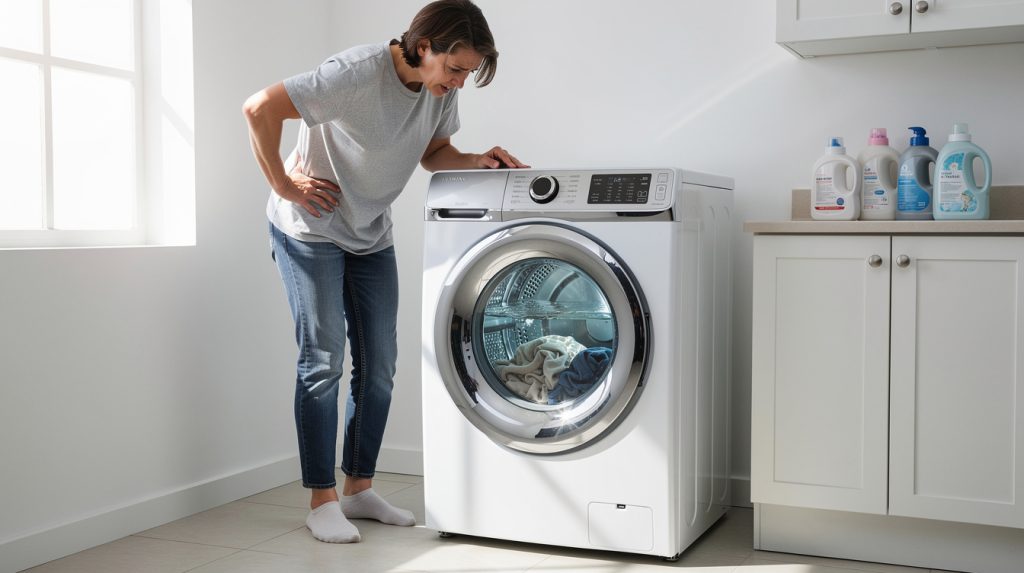
You open the washing machine lid expecting to find a load of clean, damp clothes — and instead you find them soaking in a tub full of dirty water. Or the cycle finished but the water never drained. A washing machine that won’t drain is one of those problems that brings laundry day to a complete halt, especially in busy households across Tampa, Wesley Chapel, Lutz, and Land O’ Lakes.
The good news is that drainage problems often have simple causes that can be fixed without calling a repair technician. Let’s work through the most common culprits and what to do about each one.
Why Won’t My Washing Machine Drain?
Before we get into specific causes, it’s helpful to understand how draining works. After the wash or rinse cycle, your washing machine pumps water out through a drain hose that connects to your home’s standpipe or utility sink. The pump pulls water through a filter/trap (which catches lint and small items) and pushes it out the drain hose. If any part of this system is blocked or broken, water stays in the tub.
1. A Clogged Drain Filter or Pump Trap
Most modern front-loading washing machines have a small access panel at the front-bottom of the machine that hides a drain filter or pump trap. This filter catches lint, coins, hair ties, tissues, and small items before they reach the drain pump. Over time — especially if the filter hasn’t been cleaned — it can become so blocked that water can’t pass through.
This is the first thing to check if your washer won’t drain. Here’s how:
- Place a towel and a shallow pan on the floor in front of the machine
- Open the access panel (it usually pops open or unscrews)
- Before removing the filter, look for a small drain hose nearby — use it to drain the remaining water into your pan
- Twist or pull out the filter, noting that more water will flow out
- Clean the filter under running water using a brush
- Check inside the pump housing for any objects or debris
- Reinstall the filter, run a short cycle, and check if it drains properly
For top-loading machines without a front access panel, the pump and lint filter may be accessible via the cabinet interior — consult your owner’s manual.
2. A Blocked or Kinked Drain Hose
The drain hose is a ribbed plastic hose that runs from the back of the washing machine to the standpipe or laundry sink. If this hose becomes kinked (bent sharply), blocked by debris, or pushed too far down the standpipe (creating a siphon effect), the washer won’t drain properly.
Check the drain hose by:
- Pulling the washer away from the wall to inspect the hose for kinks or sharp bends
- Confirming the hose isn’t jammed too far into the standpipe — it should be inserted only a few inches, not all the way down
- Checking that the hose isn’t clogged by disconnecting it and looking through it or running water through it
The drain hose should form a smooth U-shape without tight bends. If it’s kinked, straighten it. If it’s clogged, clear the blockage or replace the hose (they’re inexpensive).
3. A Clog in the Household Drain or Standpipe
Sometimes the washing machine is working fine but the household drain it connects to is clogged. This is more common in older Florida homes where cast-iron pipes have had decades to accumulate scale and debris. Signs that the standpipe is the problem include water backing up into the standpipe when the washer drains, a gurgling sound from nearby drains, or other drains in the same area also draining slowly.
If you suspect a household drain clog, this is a plumber’s territory rather than an appliance repair. A plumber can snake the drain or use hydro-jetting to clear the blockage.
4. A Faulty Drain Pump
The drain pump is an electric pump that actively pushes water out of the tub. If the pump motor fails, burns out, or if an object gets jammed in the impeller (the spinning part of the pump), it won’t pump water out.
Signs of a bad drain pump include:
- The washer goes through the wash cycle normally but water doesn’t drain at the end
- You hear a humming sound when the pump should be running but no water moves
- The machine makes a loud buzzing or grinding noise during the drain cycle
- Error codes on digital displays (check your owner’s manual for what they mean — our guide on appliance error codes can also help)
Before assuming the pump motor has failed, check for an object jammed in the impeller — a coin, a small sock, a hair clip. These can prevent the impeller from spinning without damaging the motor itself. Access to the impeller is typically through the same access panel as the drain filter.
If the pump motor has genuinely failed, it will need to be replaced by a technician. Drain pump replacement is a moderately involved repair.
5. A Lid Switch or Door Latch Problem (Top-Loaders and Front-Loaders)
Washing machines have safety switches that prevent spin and drain cycles from running when the lid (top-loader) or door (front-loader) isn’t properly closed and locked. If the lid switch or door latch malfunctions, the machine may think the door is open even when it’s closed — and it will refuse to enter the drain/spin cycle as a result.
Test this by listening carefully when you close the lid or door. You should hear a click. On top-loaders, try pressing the lid switch plunger by hand (the plastic tab that the lid presses down when closed) — if you don’t hear a click or feel resistance, the switch may have failed. This is a relatively inexpensive part to replace.
6. An Unbalanced Load Preventing Spin
Some washers will abort the spin/drain cycle if the load becomes severely unbalanced, as a protection measure to avoid excessive vibration damage. If the machine detected an imbalance, it may have stopped mid-cycle with water still in the tub.
If this might be the case, try pausing and redistributing the load evenly, then restarting. You can also try running just the spin cycle on its own to drain the water.
Using the “Spin Only” or “Drain and Spin” Cycle
Most washing machines offer a Spin Only or Drain and Spin cycle. Running this as a first step can help drain the water and give you back access to your laundry while you troubleshoot. It’s also a good test — if the machine drains fine on this short cycle but not during a full cycle, the issue may be timing-related or a sensor problem rather than a mechanical drain failure.
Related Issues to Watch For
A washer that won’t drain can lead to other problems. Standing water for extended periods promotes mildew and odor — something many homeowners in Florida already struggle with. If you’re noticing a musty smell, our guide on how to get rid of washing machine odor is a great companion to this one. And if you’ve been having multiple issues with your washer, these signs your washing machine needs professional repair can help you decide whether repair or replacement makes more sense.
When to Call a Professional
If you’ve checked the drain filter, hose, and household drain — and the machine still won’t drain — it’s time to call in a professional. A failed drain pump or lid switch requires replacement, and diagnosing which component has failed benefits from experience with washing machine teardowns.
At SkyBreeze Appliance Repair, we diagnose washing machine drainage problems quickly for homeowners throughout Tampa Bay — from Shady Hills and Hudson to Dade City and The Villages. Same-week appointments, transparent pricing, and no-surprise repairs. Give us a call and we’ll get your laundry day back on track.
Front-Loaders vs. Top-Loaders: Different Drainage Systems
Front-loading and top-loading washing machines approach drainage somewhat differently, which affects where you look for drain problems:
Front-Loading Washers
Front-loaders almost universally have a drain filter/pump trap accessible through a small panel at the front bottom of the machine — this is the most common source of drain issues in front-loaders, and it should be cleaned every 2–3 months under normal use. Front-loaders also use a door lock mechanism that must engage properly for the drain and spin cycle to run. If the door latch sensor fails, the machine won’t drain even though nothing is mechanically wrong with the drain system.
Top-Loading Washers
Top-loaders with traditional agitators typically don’t have a cleanable pump filter — their pump design processes debris differently. However, they do have a lid switch that prevents drainage and spin when the lid is open. If you’ve accidentally damaged the lid switch latch, or if the plastic tab has broken off, the machine will refuse to drain. The lid switch is an inexpensive part on most top-loader brands.
High-Efficiency (HE) top-loaders — the newer style without a central agitator — do have cleanable filters on some models, though the location varies. Check your owner’s manual.
Florida’s Plumbing and Drain Infrastructure
Older Florida homes present specific drainage challenges that newer homes don’t. Many homes in parts of Tampa, Lutz, Land O’ Lakes, and unincorporated areas of Hillsborough and Pasco counties have cast iron or galvanized steel drain pipes that are decades old. These pipes are significantly more prone to scale buildup, partial blockages, and slow drainage than modern PVC pipes.
If you live in an older Florida home and your washing machine has gradually been draining more slowly over the past year or two, a partially blocked standpipe is a likely cause — and the issue will only get worse without attention. A plumber with a drain camera can quickly assess whether the household drain is the problem.
It’s also worth noting that Florida’s humidity can cause accelerated mildew growth inside washing machine drain hoses — particularly in homes where the laundry room lacks good ventilation. Mildew buildup inside the drain hose can partially obstruct flow over time. If you disconnect the drain hose and notice an unpleasant odor or visible buildup inside, cleaning or replacing the hose may be part of the solution.
Preventing Future Drain Problems
A few habits significantly reduce the likelihood of drain issues recurring:
- Clean the drain filter monthly (for front-loaders with accessible filters). This takes about 5 minutes and prevents the most common drain failure mode.
- Check pockets before washing. Coins, keys, hair ties, and small fasteners are the most common cause of pump damage and filter clogs.
- Don’t push the drain hose too far into the standpipe. If the hose is inserted more than 6–8 inches into the standpipe, a siphon effect can cause constant slow drainage or water that backs up into the tub.
- Run a drum-cleaning cycle monthly. Products like Affresh or a cup of white vinegar in the drum help prevent mildew from accumulating in the machine and drain components.
- Inspect the drain hose annually. Look for kinks, cracks, or areas where the hose has stiffened and may be developing blockages.
When a Repair Makes More Sense Than Waiting
A washing machine that won’t drain is not a problem that resolves itself. Standing water in the drum promotes mildew, creates odors, and if left long enough, can allow water to seep through the door seal of a front-loader onto the floor. Addressing the issue promptly — even if it means scheduling a service appointment within a few days — is always less costly than dealing with a flooded laundry room or a machine that has developed mold throughout its interior.
Summary
A washing machine that won’t drain is usually caused by a clogged drain filter, a blocked or kinked drain hose, a household drain clog, a failed drain pump, a faulty lid switch, or an unbalanced load stopping the spin cycle. Start with the filter and hose — these are free, quick fixes. If the pump has failed, a professional repair is the right call.
Related Articles
- Why Your Washing Machine Won’t Spin
- Washing Machine Shaking or Vibrating?
- How to Prevent Washing Machine Flooding
- Signs Your Washing Machine Needs Repair
- How to Maintain Your Washing Machine