How to Maintain Your Garbage Disposal for a Long and Trouble-Free Life
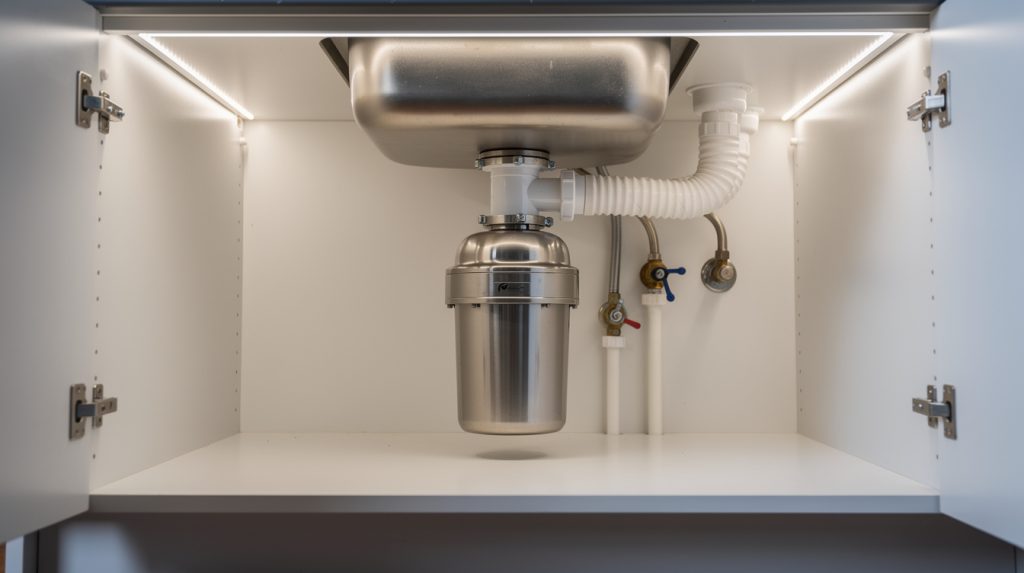
The garbage disposal (or garburator, as many Canadians and some Florida transplants call it) is one of those kitchen appliances that gets used every day without much thought — until it jams, smells terrible, or stops working entirely. The truth is that most garbage disposal problems are completely preventable with proper maintenance and a few good habits.
A well-maintained disposal can last 10 to 15 years or more. A neglected one might give up after five. For homeowners across Tampa, Wesley Chapel, Lutz, Land O’ Lakes, and the rest of our service area, here’s everything you need to know to get the most out of this hard-working kitchen appliance.
Understanding How Your Garbage Disposal Works
A garbage disposal isn’t actually a set of blades (despite what many people believe). Inside the unit, there’s a rotating plate with two or more blunt impellers (sometimes called lugs) that fling food particles against a stationary grinding ring. The food is shredded by this grinding action until it’s small enough to pass through openings and down the drain.
This design is effective for soft food waste but isn’t designed for hard, fibrous, or starchy materials. Understanding this helps explain why so many of the maintenance tips below focus on what not to put in the disposal.
What Never to Put in Your Garbage Disposal
The number one cause of garbage disposal problems — including jams, odors, and premature motor failure — is putting the wrong things down it. Here’s what to avoid:
Hard Items
- Bones: Even small chicken or fish bones can damage the grinding components over time
- Fruit pits and seeds: Avocado pits, peach pits, cherry stones — these are too hard for disposals
- Shellfish shells: Shrimp shells, crab shells, and similar materials dull the grinding components
- Ice cubes: Contrary to popular belief, ice doesn’t sharpen disposal blades — the unit doesn’t have blades. Ice can temporarily clean, but it doesn’t sharpen anything.
Fibrous and Stringy Foods
- Celery: The stringy fibers can wrap around the grinding plate and cause jams
- Artichokes: Very fibrous and difficult to break down
- Corn husks: Same problem as celery — stringy fibers tangle in the mechanism
- Asparagus ends: Particularly fibrous
Starchy and Sticky Foods
- Potato peels: A classic disposal killer. Starches form a paste that can coat the grinding chamber and drain
- Pasta and rice: Expand with water and create clogs
- Oatmeal and similar cereals: Expand and become paste-like
- Banana peels: Thick and fibrous
Grease, Oil, and Fats
Never pour cooking oil, grease, or fatty liquids down the disposal. These solidify inside the drain pipes and create serious clogs — not just in the disposal itself but further down the drain. In Florida’s warmer weather, greasy buildup also accelerates odor problems. Dispose of grease in a jar or can and put it in the trash.
Non-Food Items
This seems obvious but bears mentioning: cigarette butts, rubber bands, twist ties, glass, metal, and paper don’t belong in the disposal. Small non-food items are a common cause of jams and motor damage.
Daily Habits That Protect Your Disposal
Beyond avoiding the wrong foods, these everyday habits will significantly extend your disposal’s life:
Always Run Cold Water
Run cold water before you start the disposal, throughout the grinding process, and for 15–20 seconds after you turn it off. Cold water helps solidify fats and oils so they’re ground up and flushed away rather than coating the interior. Hot water does the opposite — it melts fats and lets them coat the grinding components and drain walls.
Run the Disposal Regularly
If you don’t use the disposal regularly, the grinding components can rust or corrode, and the unit may seize if left unused for weeks. Even if you don’t have food waste, run the disposal with cold water for 30 seconds every few days to keep it moving and prevent corrosion.
Don’t Overload It
Feed food waste in gradually, in small amounts, with the cold water running. Dumping a large amount of food in at once — especially things like vegetable trimmings after a big cooking session — can jam the disposal or overwhelm the drain. Take your time; it takes less than a minute to properly clear even a significant amount of food waste.
Cut Large Items Into Smaller Pieces
Large chunks of food take much longer to grind and put more strain on the motor. Cut or tear food into smaller pieces before feeding it to the disposal.
How to Clean Your Garbage Disposal
Regular cleaning prevents odors and keeps the grinding chamber working effectively. Here are three effective methods:
Ice and Salt Method
Pour two cups of ice and a cup of coarse rock salt or kosher salt into the disposal. Run it with cold water for about 30 seconds. The ice and salt help scour the interior walls and grinding plate, removing grease and residue without harsh chemicals.
Baking Soda and Vinegar
Pour half a cup of baking soda into the disposal, followed by a cup of white vinegar. Let it fizz and sit for 5–10 minutes, then flush thoroughly with hot water. This is excellent for odor control and breaking down mild grease buildup. Follow with cold water running to complete the flush.
Citrus Peels
Running citrus peels (lemon, lime, orange) through the disposal freshens the smell and provides mild cleaning action. This is a good regular maintenance habit — after squeezing a lemon for cooking, toss the peel into the disposal instead of the trash. The citric acid helps with mild grease and residue.
Cleaning the Rubber Splash Guard
The rubber flaps at the mouth of the disposal opening (called the splash guard or baffle) tend to accumulate grease and food residue underneath them. Use an old toothbrush dipped in dish soap to scrub under and around these flaps. This area is often the source of disposal odors that don’t respond to other cleaning methods.
What to Do When It Jams or Stops Working
Even well-maintained disposals occasionally jam. If yours stops mid-cycle and won’t start, don’t panic — here’s the protocol:
- Step 1: Turn off the disposal switch immediately
- Step 2: Wait 15 minutes for the thermal overload protection to reset (disposals have a built-in safety cutoff to prevent motor burnout)
- Step 3: Look under the sink for a red reset button on the bottom of the disposal — press it firmly
- Step 4: Insert the Allen key (hex wrench) that came with your disposal into the manual crank socket at the bottom of the unit. Turn it back and forth to free up the jam
- Step 5: Use tongs (never your hand) to remove any dislodged items from inside the drain opening
- Step 6: Try running the disposal again with cold water
For a more detailed guide on fixing a jammed disposal, see our article on garburator not working fixes.
Signs Your Disposal Needs Professional Attention
- Persistent leaks from under the sink that aren’t from the water supply lines
- Unusual grinding or metal-on-metal sounds
- The motor hums but the plate doesn’t spin even after clearing a jam
- Repeated jams even with proper use
- The disposal is more than 10–12 years old and showing declining performance
If you’re seeing multiple issues or the disposal is at the end of its life, read our guide on repair vs. replace decisions to help determine whether fixing or replacing makes more financial sense.
How Long Should a Garbage Disposal Last?
A well-maintained garbage disposal should last 10–15 years under normal residential use. Poorly maintained units — those that frequently process the wrong materials, aren’t cleaned regularly, or deal with chronic clogs — often fail in 5–8 years. The maintenance habits in this guide can realistically double your disposal’s lifespan.
When to Call SkyBreeze
When a garbage disposal needs professional repair or replacement, the team at SkyBreeze Appliance Repair is here for homeowners throughout Tampa Bay — from Shady Hills and Hudson to Dade City and The Villages. We handle garburator repairs and replacements efficiently, and we’ll give you an honest assessment of whether repair or replacement is the smarter investment for your situation.
Most disposal repairs are quick jobs — often completed the same day. Visit our appliance repair page to learn more about our services, or give us a call to schedule a visit.
Florida-Specific Garbage Disposal Considerations
Florida homeowners deal with some unique garbage disposal challenges that people in other parts of the country don’t typically encounter:
Citrus Season and Citrus Peel
Florida produces more citrus than almost any other state, and many homeowners in Tampa, Lutz, and The Villages have citrus trees in their yards. While small amounts of citrus peel are fine for the disposal (and actually help freshen it), large quantities of thick peel can overwhelm a standard residential disposal and cause jams. Feed citrus peels in small batches with plenty of running water, not in large quantities all at once.
Hard Water and Scale Buildup
Florida’s hard water doesn’t just affect dishwashers — it affects garbage disposals too. Mineral deposits can accumulate inside the grinding chamber and on the impeller blades over time, reducing grinding efficiency. Monthly cleaning with a citric acid solution (a tablespoon of citric acid powder dissolved in a cup of warm water) helps dissolve mineral scale before it builds up significantly.
Humidity and the Splash Guard
In Florida’s humidity, the rubber splash guard at the mouth of the disposal can develop mold and mildew more quickly than in drier climates. If your disposal smells musty even after running cleaning cycles, lift the rubber flaps and scrub underneath them aggressively with a toothbrush and dish soap. This is the area most often responsible for persistent disposal odors in humid climates.
Warm Water from the Tap
Florida tap water runs warm for a significant portion of the year — especially in summer, when the water sitting in outdoor supply lines can reach temperatures well above what you’d expect from a “cold” water tap. Since garbage disposal operation should use cold water (to keep fats solid for better grinding and to protect the motor), run the tap for a few seconds before starting the disposal during warm months to let cooler water from the main supply reach the tap.
Best Garbage Disposal Brands for Florida Homes
If you’re in the market for a new or replacement garbage disposal, a few brands have established strong reputations for residential use:
- InSinkErator: The most widely used residential disposal brand. Their Evolution series (Evolution Excel, Evolution Compact) offers excellent multi-stage grinding that reduces jamming and handles tougher foods. Widely available and well-supported by parts and service.
- Waste King: Known for high-speed motors (2700–3200 RPM vs. the more typical 1725–1800 RPM of most models). Higher speed means better grinding of tough materials, though they can be noisier.
- Moen: Makes reliable disposals with lifetime warranties on some models, which provides good value for homeowners looking for long-term peace of mind.
- Badger (InSinkErator): The entry-level InSinkErator line. Adequate for light to moderate use, with wide parts availability.
How to Choose the Right Horsepower
Garbage disposal motors range from 1/3 HP to 1+ HP for residential models. For Florida households with typical use:
- 1/3 HP: Sufficient only for very light use — single-person households with minimal food waste
- 1/2 HP: The most common recommendation for average households. Handles most everyday food scraps without issue
- 3/4 HP: A good choice for larger households, frequent cooking, or anyone who regularly processes tougher waste
- 1 HP and above: Ideal for heavy use households. Significantly more jam-resistant and capable of handling fibrous vegetables and larger scraps that would challenge smaller motors
In our service experience throughout the Tampa Bay area, undersized disposals are a common reason for repeated jams and premature motor failure. Investing in at least a 1/2 HP unit — and ideally 3/4 HP if your household does significant cooking — pays for itself in reduced repairs and longer appliance life.
Summary
Extending your garbage disposal’s life comes down to good habits: avoiding bones, fibrous foods, potato peels, grease, and non-food items; always running cold water; cleaning the unit regularly with ice/salt or baking soda/vinegar; and knowing how to safely clear a jam. With a little attention, your disposal should run reliably for a decade or more.